
How To Tell If Your AC Refrigerant Is Low
Central Florida summers push your air conditioner to its limits, and a low refrigerant charge is one of the most common reasons a system stops keeping up. Refrigerant is the chemical compound that absorbs heat inside your home and releases it outside, making it the lifeblood of your cooling system. When levels drop, your AC works harder, your energy bills climb, and indoor comfort suffers. Most homeowners do not realize the warning signs until the problem has already damaged the compressor. Knowing what to look for can save you thousands in repair costs. This guide walks you through the clearest symptoms of low AC refrigerant and what to do about it.
Common Signs Your AC Refrigerant Is Low
Spotting low AC refrigerant early protects your equipment and your wallet. Refrigerant does not get used up like fuel; if levels are low, there is a leak somewhere in the sealed system. The symptoms often start subtle and grow worse over a few days or weeks. Homeowners in Sanford, Lake Mary, and surrounding Seminole County areas frequently notice these issues during peak cooling months. Paying attention to how your system behaves can help you catch a leak before the compressor fails. Below are the most reliable signs that point to a low refrigerant charge.
Warm Air From Vents Signals Low AC Refrigerant
One of the first signs of low AC refrigerant is warm or lukewarm air blowing from your supply vents. The thermostat may be set to 72 degrees, but the air coming out feels closer to room temperature. This happens because the refrigerant inside the evaporator coil cannot absorb enough heat from the indoor air. With less refrigerant in the system, the heat transfer process breaks down. You may also notice that some rooms cool unevenly while others stay warm. The blower keeps running, but the home never reaches the set temperature.
A simple way to check is to place your hand near a supply register while the AC is running. Cool air should feel noticeably colder than the surrounding room air. If it feels weak or warm, refrigerant levels are likely the culprit. Dirty air filters and blocked return vents can mimic this symptom, so rule those out first. Replace the filter and confirm that nothing is blocking airflow at the indoor unit. If warm air persists, a refrigerant issue is the most likely cause.
Ignoring warm air from your vents can quickly lead to bigger problems. The longer your system runs without enough refrigerant, the more strain it puts on the compressor. A compressor replacement can cost as much as a new system in some cases. Catching the issue early means a technician can find the leak, repair it, and recharge the system. Need AC repair from a trusted Central Florida HVAC company? Click here for our air conditioning service.
Higher Energy Bills From Low AC Refrigerant
A sudden spike in your electric bill is another strong indicator that your AC refrigerant is low. When the system cannot cool efficiently, it runs longer cycles to try to reach the thermostat setting. Longer run times mean more electricity used by the blower motor, condenser fan, and compressor. Many homeowners see their monthly bill jump by 20 to 40 percent before they realize anything is wrong. This pattern often shows up in May and June as outdoor temperatures climb. Comparing your current bill to the same month last year can reveal the change.
The increase happens because your AC is working overtime to make up for lost cooling capacity. Refrigerant carries heat away from your home, and a low charge means each cycle removes less heat. The thermostat keeps calling for cooling, and the equipment keeps running. Over weeks, that extra runtime adds up to significant energy waste. It also accelerates wear on every component in the system.
Tracking your energy usage month over month is a smart habit for any Florida homeowner. If you see an unexplained jump and your AC seems to run constantly, schedule a service call. A professional technician can measure refrigerant pressure and confirm a leak. Catching it early prevents both the energy waste and the bigger repair down the road. Want to lower your monthly cooling costs? Click here for our air conditioning service.
Ice On The Lines Confirms Low AC Refrigerant
Ice or frost on the copper refrigerant lines or the evaporator coil is a clear sign of low refrigerant. The line set runs from your indoor air handler to the outdoor condenser, and the larger insulated line should stay cool but never frozen. When refrigerant is low, pressure inside the evaporator coil drops, causing temperatures to fall below freezing. Moisture in the air then condenses on the coil and freezes solid. Once a coil freezes, airflow stops and cooling drops to nearly zero. You may even see water pooling near the indoor unit as the ice melts.
If you spot frost on the lines, turn the AC off immediately and switch the fan to the on position. Running the blower without the compressor helps the ice melt safely. Never try to chip ice off the coil; it can puncture the thin aluminum fins and create new leaks. Once the ice is gone, leave the system off and call a professional. Restarting a frozen unit before the cause is fixed will just freeze it again.
Frozen lines almost always trace back to either low refrigerant or restricted airflow. A trained technician will check the filter, blower speed, and refrigerant pressure to find the root cause. If a leak is confirmed, they will locate it, repair the line, and recharge the system to manufacturer specifications. Skipping this step and just adding refrigerant is a temporary fix that wastes money. The leak will simply return, often within weeks.
What Causes Low AC Refrigerant Levels
Understanding the causes of low AC refrigerant helps you prevent future problems. Refrigerant operates in a sealed loop, so the only way levels drop is through a leak in that loop. Leaks can develop slowly over years or appear suddenly after a storm or impact. Florida humidity, salt air near the coast, and aging components all contribute to leak risk. Knowing where leaks tend to form makes it easier to spot trouble early. Below are the most common causes of low refrigerant in residential AC systems.
Corrosion Causes Low AC Refrigerant Leaks
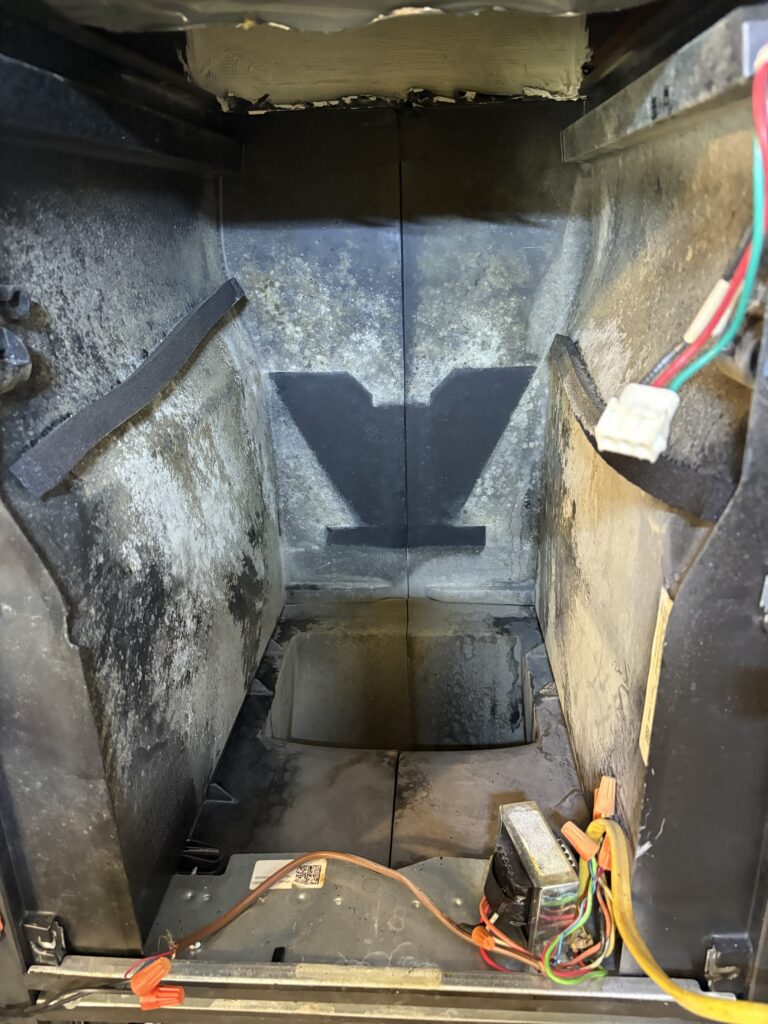
Corrosion is the leading cause of refrigerant leaks in Florida air conditioners. The evaporator coil sits inside your air handler and is constantly exposed to moisture from the cooling process. Over time, formic acid from household chemicals, cleaning products, and even off-gassing from new furniture attacks the copper tubing. This creates microscopic pinholes that allow refrigerant to escape. The leaks are often too small to hear or see but large enough to drain the system over months. Coils in homes near saltwater tend to corrode faster due to airborne salt.
The condenser coil outside faces its own corrosion threats. Rain, humidity, lawn chemicals, and pet urine all speed up metal degradation. Bent fins from lawn equipment or debris also expose the tubing to faster wear. Most condenser coils last 10 to 15 years before corrosion becomes a serious issue. Regular cleaning and protective coatings can extend their life significantly.
Once corrosion creates a leak, the only real fix is coil replacement. Sealants and stop-leak products marketed online tend to clog metering devices and cause bigger problems. A licensed HVAC technician can pressure test the system, find the exact leak location, and recommend the right repair. In some cases, replacing the coil makes more sense than patching multiple pinholes. Need a professional leak inspection? Click here for our air conditioning service.
Loose Connections Cause Low AC Refrigerant
Vibration and age can loosen refrigerant line connections over time. Every AC system has flare fittings, brazed joints, and Schrader valves where refrigerant can escape if seals fail. The compressor inside the outdoor unit vibrates constantly during operation, and that motion slowly works fittings loose. Service valves that have been opened and closed many times during past maintenance can also develop slow leaks. These leaks are often easier to find and repair than coil leaks.
Improper installation is another common source of connection leaks. If flare fittings were not torqued correctly or brazed joints were not cleaned properly before soldering, leaks can appear within the first year. This is one reason hiring a qualified installer matters so much. Cheap installations often lead to expensive repairs within two or three years. A well installed system can run 15 years or more without a major refrigerant issue.
Schrader valve cores, similar to the valves on a car tire, can also fail and let refrigerant escape. These small parts are inexpensive and quick to replace once a technician identifies them as the source. Soap bubble tests and electronic leak detectors help pinpoint the exact location. Tightening or rebuilding the connection and recharging the system usually solves the problem. Regular maintenance visits help catch loose fittings before they drain the entire charge.
Physical Damage Creates Low AC Refrigerant Problems
Physical damage to the line set or outdoor unit is another cause of refrigerant loss. Florida thunderstorms can drive debris into the condenser, denting fins and puncturing tubing. Hail, falling branches, and even kicked soccer balls have all been known to damage outdoor coils. Construction work near the home, like landscaping or fence installation, sometimes cuts buried line sets. Rodents occasionally chew through the insulation and tubing as well.
The line set running between the indoor and outdoor units is vulnerable wherever it is exposed. Sections that run through attics, walls, or along the exterior of the home can be nicked by drills, nails, or screws during renovations. A single small puncture is enough to release the entire refrigerant charge within hours. Homeowners doing DIY projects should always know where their AC lines run before drilling into walls.
Protecting your outdoor unit helps prevent damage. Keep at least two feet of clearance around the condenser, trim back vegetation, and consider a hail guard if you live in an exposed area. Inspect the unit after major storms for visible damage. If you suspect a line was struck during home improvement work, call a technician right away. The faster a leak is repaired, the less refrigerant is lost and the lower the repair cost.
Why You Need Professional AC Refrigerant Service
Refrigerant is not something a homeowner can safely or legally handle on their own. The EPA requires certification to purchase and handle refrigerants like R-410A and R-32. A professional service call covers leak detection, repair, and proper recharging based on manufacturer specifications. Trying to top off a system without finding the leak wastes money and harms the environment. Sol Aire Air Conditioning serves Sanford, Lake Mary, Oviedo, and the rest of Seminole County with honest, no pressure refrigerant service.
Professional AC Refrigerant Leak Detection
Finding a refrigerant leak takes specialized tools and training. Technicians use electronic leak detectors, UV dye, and nitrogen pressure tests to pinpoint the exact location. Each method has strengths depending on the leak size and location. Electronic detectors work well for active leaks in accessible areas. UV dye injected into the system lights up under a blacklight after circulating, making slow leaks easier to spot.
Nitrogen pressure testing is the gold standard for confirming a sealed system after repair. Technicians pressurize the system with dry nitrogen and watch for pressure drops over time. This method also avoids putting more refrigerant into a leaking system before the repair is complete. Each test gives the technician data to recommend the right fix. Guessing leads to repeat service calls and wasted refrigerant.
A thorough leak search may take an hour or more depending on the system size and leak location. The investment pays off because the repair is done right the first time. Sol Aire Air Conditioning technicians follow industry best practices on every leak call. We document our findings and explain your options clearly. You decide the next step with full information.
Professional AC Refrigerant Recharging
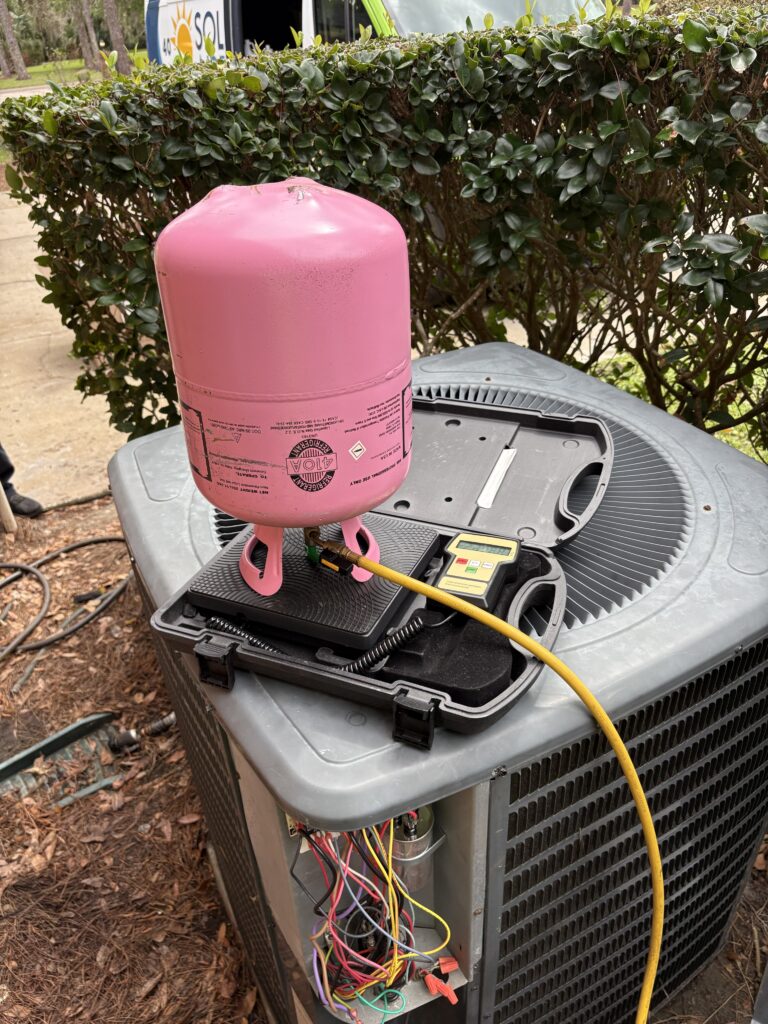
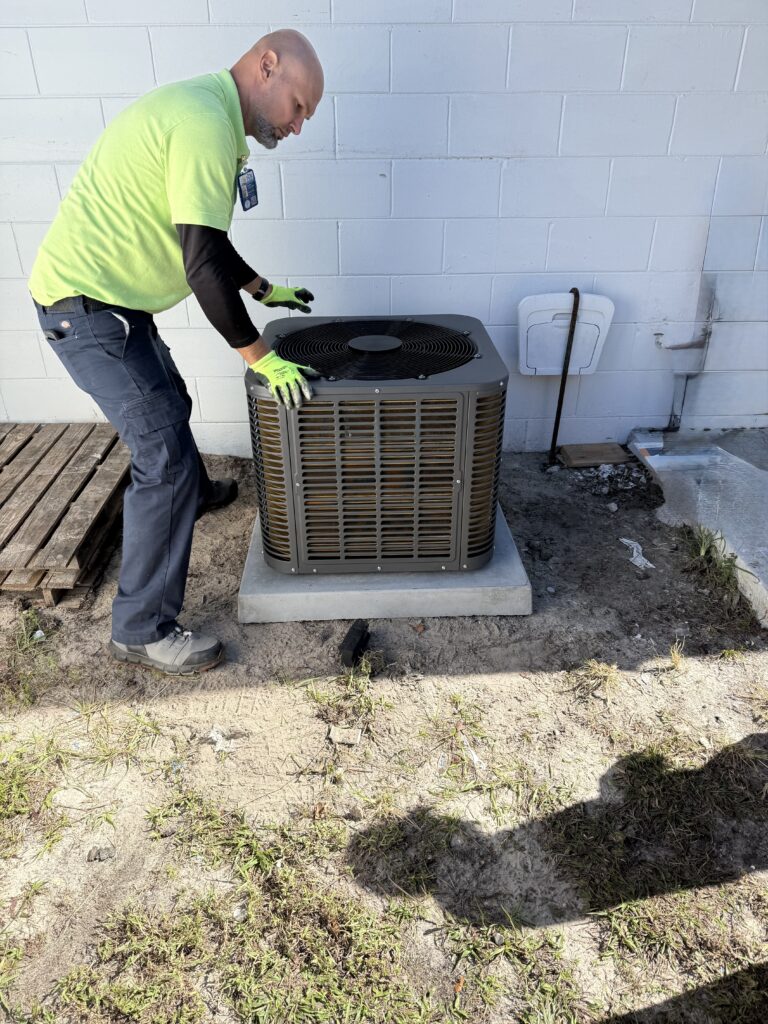
Once the leak is repaired, the system must be evacuated and recharged correctly. Technicians use a vacuum pump to remove all air and moisture from the lines before adding refrigerant. Moisture in a sealed system causes acid formation and damages the compressor over time. A proper evacuation pulls the system down to 500 microns or lower. This step is skipped by careless installers but is critical for long equipment life.
Refrigerant is then weighed in to match the manufacturer specification on the equipment data plate. Adding too much or too little refrigerant both hurt efficiency and shorten equipment life. Modern variable speed systems are especially sensitive to charge accuracy. Our technicians use digital scales and gauges to dial in the exact charge. The system is then tested across multiple operating conditions to confirm performance.
Sol Aire Air Conditioning handles every recharge with the same attention to detail. We work with R-410A, R-32, and other common refrigerants used in Central Florida homes. Our trucks carry the equipment needed to complete most repairs in a single visit. We back our work with clear warranties and honest communication. Want full AC service from a trusted local team? Click here for our air conditioning service.
Why Choose Sol Aire Air Conditioning For AC Refrigerant Service
Sol Aire Air Conditioning brings over 50 years of combined industry experience to every service call. Our team is background checked, licensed, and insured to work in Florida. We are Daikin Pro, Mitsubishi Diamond, and Navien certified dealers, which means we meet strict training and service standards. Our customers in Sanford, Lake Mary, Oviedo, Winter Springs, and surrounding areas trust us for honest recommendations. We give free estimates with no pressure tactics.
Old fashioned customer service is at the heart of what we do. That means clear communication, on time arrivals, and respect for your home. We explain what is wrong, what it will cost, and what your options are before any work begins. Financing options are available for larger repairs and replacements. You should never feel rushed or upsold during an HVAC service call.
When your AC refrigerant is low, you need a team that finds the real problem and fixes it right. Sol Aire Air Conditioning is ready to help Central Florida homeowners stay comfortable through the long cooling season. Call us at (407) 789-4000 or email service@solaireac.com to schedule service. We are located at 4380 St Johns Pkwy # 120, Sanford, FL 32771. Let us put our experience to work for your home.