
Why Is My AC Freezing Up In The Middle Of Summer
Walking outside to check your air conditioner and finding a block of ice on the unit feels strange during the hottest part of summer in Central Florida. A frozen AC system is one of the most common cooling problems homeowners face in Sanford, Lake Mary, and surrounding areas during peak summer heat. The combination of high humidity, heavy AC usage, and aging equipment creates the perfect storm for ice buildup on your evaporator coil or refrigerant lines. Understanding why your AC freezes up helps you take quick action before minor issues turn into expensive repairs. Ice on your system signals that something inside the unit has gone wrong, and continued operation can damage the compressor. Your air conditioner should produce cold air, not ice, so any visible frost or frozen components needs immediate attention. Knowing the root causes of a frozen AC unit gives you the power to protect your investment and keep your home comfortable through the long Florida cooling season.
Common Reasons Your AC Is Freezing Up During Summer
Several issues cause an air conditioner to freeze up, and most of them trace back to airflow problems or refrigerant trouble. The evaporator coil inside your indoor unit needs warm air passing over it to absorb heat properly. When that warm air cannot reach the coil, the condensation on the coil freezes instead of draining away. Low refrigerant levels create a similar problem by dropping the pressure inside the coil and lowering its temperature below freezing. Dirty components, blocked vents, and mechanical failures all contribute to the freezing process. Identifying the specific cause behind your frozen AC unit is the first step toward a lasting fix.
Dirty Air Filters Cause Your AC To Freeze Up
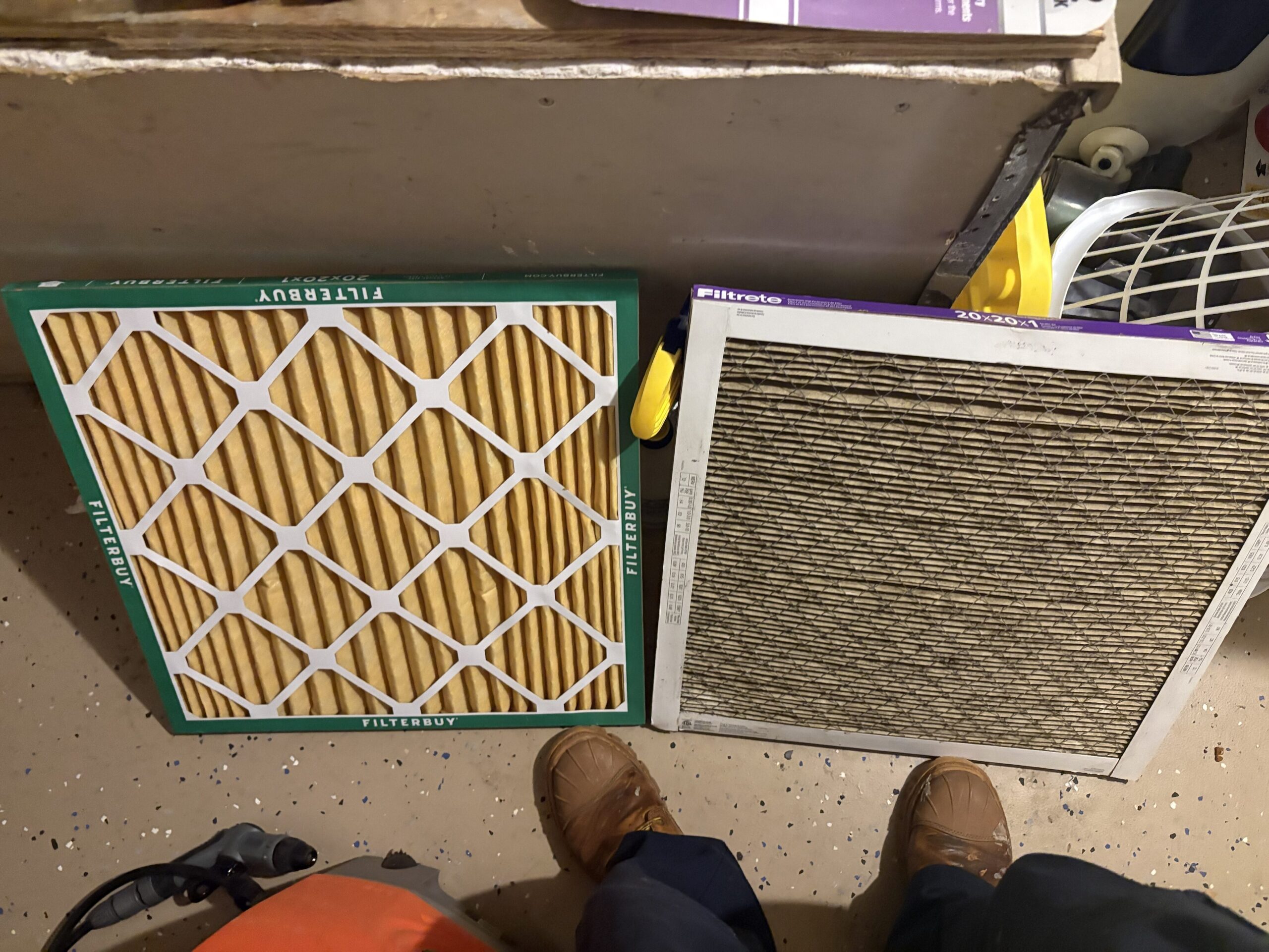
A clogged air filter is the leading cause of a frozen AC system in homes across Sanford and Lake Mary. When dust, pet dander, and debris build up on the filter, air cannot move freely through your HVAC system. The evaporator coil depends on a steady flow of warm indoor air to keep the coil temperature balanced. Restricted airflow drops the coil temperature too low, and the moisture in the air freezes on contact with the cold metal surface. Florida homes deal with heavy pollen, humidity, and dust, so filters clog faster here than in drier climates. Most homeowners should change their filter every 30 to 60 days during summer cooling season.
The cost of ignoring a dirty filter goes far beyond a frozen coil. Your AC unit works harder to push air through the clogged filter, which raises your electric bill and shortens the life of the blower motor. Restricted airflow also creates uneven cooling, with some rooms feeling warm while others stay cold. The compressor, which is the most expensive part of your air conditioning system, can fail if it runs while the coil is frozen. Replacing a compressor often costs more than installing a brand new AC system, making filter maintenance one of the smartest investments in home cooling. A clean filter protects every other component in your HVAC system.
Choosing the right air filter for your home matters as much as changing it on schedule. High-MERV filters trap more particles, but they also restrict airflow more than basic fiberglass filters. The wrong filter for your AC system can cause the same freezing problems as a dirty one. Sol Aire Air Conditioning recommends matching your filter to the specifications your HVAC manufacturer provides for your equipment. Pleated filters in the MERV 8 to MERV 11 range work well for most Central Florida homes. Need help with AC maintenance? Click here for our air conditioning service.
Low Refrigerant Levels Cause Your AC To Freeze Up
Low refrigerant is another major reason your AC freezes up during the summer. Refrigerant moves through the evaporator coil and absorbs heat from your indoor air, then carries that heat outside to the condenser. When the refrigerant charge drops below the level your system needs, the pressure inside the coil falls and the temperature drops too low. Moisture from humid Florida air condenses on the cold coil and quickly turns to ice. Once ice forms, it blocks airflow even more, which makes the problem worse with every minute of operation. A refrigerant issue almost always points to a leak somewhere in the system.
Refrigerant does not get used up like fuel in a car, so a low charge means refrigerant is escaping from your AC system. Leaks happen at fittings, in the coil itself, or along the copper lines that connect your indoor and outdoor units. Pinhole leaks in the evaporator coil are common in older systems, especially in coastal and humid environments like Central Florida. A qualified HVAC technician must locate the leak, repair it, and recharge the system with the correct refrigerant type. R-410A and the newer R-454B refrigerants require specific tools, certifications, and handling procedures. Topping off refrigerant without fixing the leak only delays another freeze-up.
Signs of low refrigerant go beyond a frozen AC unit. You may notice warm air blowing from your vents, hissing or bubbling noises near the indoor unit, and higher electric bills as the system runs longer to cool your home. Ice forming on the copper suction line outside is another clear warning sign of a refrigerant problem. Ignoring these symptoms damages the compressor and can lead to a complete AC system failure. Sol Aire Air Conditioning carries the equipment and certifications needed to find leaks, make repairs, and restore proper refrigerant levels. A properly charged system cools efficiently and protects every component from premature wear.
Blocked Vents And Ductwork Cause Your AC To Freeze Up
Closed vents, blocked return grilles, and dirty ductwork all restrict airflow the same way a clogged filter does. Furniture pushed against a supply register, curtains hanging over a return vent, or rugs covering floor registers create airflow problems many homeowners overlook. The evaporator coil needs a balanced volume of return air to stay above freezing temperatures. When airflow drops, the coil gets cold enough to freeze the condensation forming on its surface. Walking through each room of your home and checking every vent takes only a few minutes but prevents serious cooling problems.
Dirty air ducts cause the same airflow restriction as blocked vents, only the problem hides inside the walls and attic. Dust, pet hair, and construction debris collect in the duct system over years of use. Damaged ductwork, crushed flex ducts, and disconnected joints reduce airflow even further. Many Central Florida homes have ductwork running through hot attics where heat gain reduces cooling efficiency. Sealing leaks and cleaning the ducts restores proper airflow and prevents your AC from freezing up. Want professional air duct service? Click here for our air duct services.
The blower motor and fan inside your indoor unit move air across the evaporator coil and through the duct system. A failing blower motor, a dirty blower wheel, or a broken fan belt all reduce airflow and contribute to a frozen AC unit. Loose electrical connections, worn capacitors, and motor bearing problems show up as weak airflow at the vents. A trained HVAC technician checks the blower assembly during every maintenance visit and catches small issues before they cause a freeze-up. Regular tune-ups keep the entire airflow path clear from the return grille to the supply registers. Proper airflow protects your AC system and keeps your home comfortable.
What To Do When Your AC Is Freezing Up
Taking the right steps when your AC freezes up protects your system and helps your HVAC technician diagnose the problem faster. Running a frozen air conditioner damages the compressor, bends fan blades, and can crack the evaporator coil. Most homeowners can complete the first few steps on their own before calling for service. Acting quickly limits the damage and shortens the repair time. The goal is to thaw the system safely, identify any obvious problems, and get professional help when needed. Following a clear plan saves money and avoids bigger headaches down the road.
Turn Off Your AC When It Is Freezing Up
The first thing to do when you spot ice on your AC system is shut the unit off at the thermostat. Set the thermostat to the OFF position, not just a higher temperature, to stop the cooling cycle completely. Then switch the fan setting to ON, which keeps air moving across the frozen evaporator coil and speeds up the thaw. The fan alone does not produce cooling, but the warm indoor air helps melt the ice faster than letting it sit. Place towels around the indoor unit to catch water from the melting ice. Thawing usually takes one to three hours depending on how much ice has built up.
Never try to chip, scrape, or break the ice off your AC coil. The thin aluminum fins on the evaporator coil bend easily and damage from sharp tools causes permanent airflow problems. Using a hair dryer or heat gun on the coil can also damage the components and create electrical hazards. Patience is the safest approach to thawing a frozen AC unit. Once the ice has completely melted, check the drain pan and emergency drain line for blockages. A clogged condensate drain can flood your home as the ice turns back into water.
Document what you see during the thawing process to help your HVAC technician diagnose the problem. Take photos of the ice buildup, note where the frost was heaviest, and check the air filter condition. Look at the copper lines outside near the condenser unit and see if ice formed there too. Listen for unusual sounds when the system was running before you shut it off. All of these clues help your technician find the root cause faster. Sol Aire Air Conditioning trains every technician to gather this information during the diagnostic process for accurate, lasting repairs.
Check Your Filter And Vents When Your AC Is Freezing Up
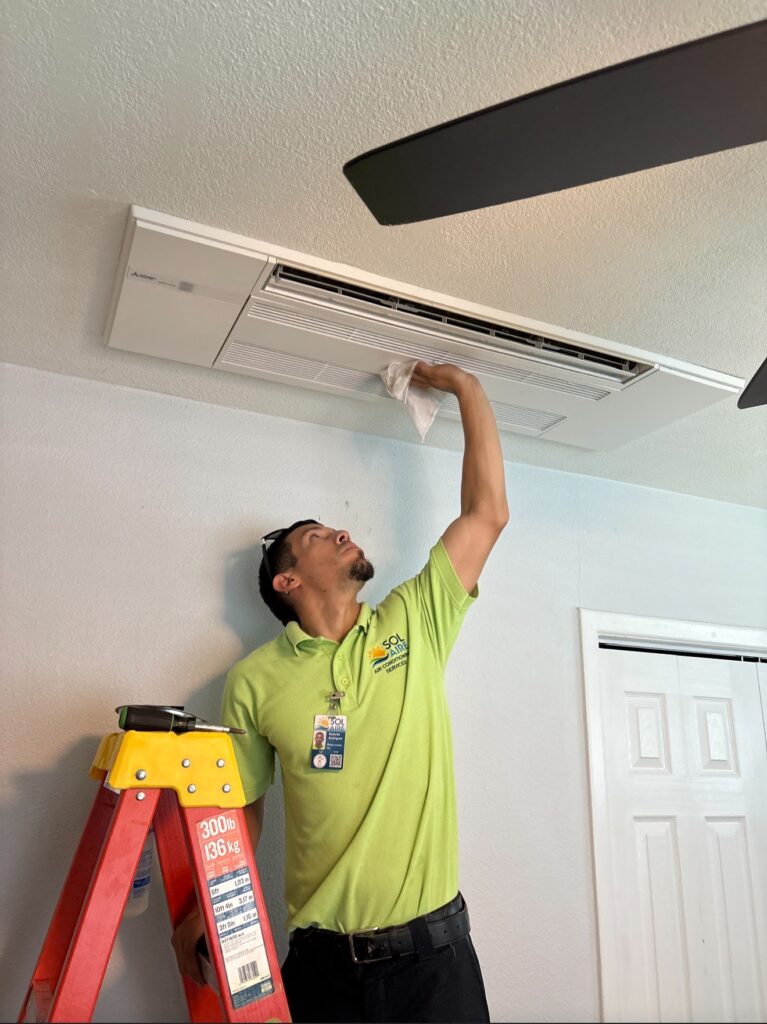
After the system has fully thawed, pull out your air filter and look at it under a bright light. A filter that looks gray, dusty, or packed with debris needs immediate replacement. Holding the filter up to a window helps you see how much light passes through, which shows the actual airflow restriction. Replace the filter with a new one of the same size and type your AC system requires. The filter size is printed on the cardboard frame, and most home improvement stores carry common sizes in stock. A fresh filter often solves the freezing problem on its own.
Walk through every room and inspect each supply vent and return grille. Open any vents that have been closed and move furniture, rugs, or curtains away from the air openings. Many homeowners close vents in unused rooms thinking it saves energy, but this strategy actually causes airflow problems that lead to a frozen AC unit. The HVAC system was designed to push a specific amount of air through every register in your home. Closing vents forces the same volume of air through fewer openings, which raises pressure inside the ductwork and reduces airflow across the coil. Keep every vent fully open for the best cooling performance.
Check the return air grille, which is usually the largest vent in your home and pulls air back to the HVAC system. A blocked return grille starves the entire system of airflow and quickly causes the evaporator coil to freeze. Vacuum the grille to remove dust buildup and make sure nothing is leaning against it. Pet hair, construction dust, and pollen collect on return grilles faster than people expect in Florida homes. Cleaning the grille takes only a minute but makes a measurable difference in airflow. After completing these checks, turn the AC back on and watch for ice buildup over the next few hours.
Call A Professional When Your AC Keeps Freezing Up
If your AC freezes up again after a filter change and vent inspection, the problem needs professional attention. Refrigerant leaks, electrical issues, blower motor failures, and coil problems all require tools and training to diagnose safely. Running the system through repeated freeze-ups damages the compressor and dramatically shortens its service life. A licensed HVAC contractor can pinpoint the exact cause and recommend the right repair. Sol Aire Air Conditioning has served homeowners across Seminole County, Volusia County, and Orange County for years with honest, accurate AC repair service. Calling early prevents small problems from turning into full system replacements.
Professional AC service includes a complete diagnostic of every component in your system. A trained technician checks refrigerant pressures, measures airflow across the coil, tests the blower motor amperage, and inspects the condensate drain line. Electronic leak detectors find refrigerant leaks invisible to the eye, and infrared cameras spot airflow problems in ductwork. The technician also checks the thermostat calibration, electrical connections, and capacitor health. Each of these checks rules out a possible cause of your frozen AC unit. The result is a clear diagnosis and a repair plan that fixes the problem the first time.
Annual maintenance prevents most freeze-up problems before they happen. A spring tune-up cleans the evaporator coil, checks refrigerant levels, tests electrical components, and clears the condensate drain. Catching small issues during maintenance costs far less than emergency repairs during a summer heat wave. Many homeowners in Sanford, Lake Mary, and Longwood schedule their AC service in March or April to prepare for the long cooling season. A well-maintained AC system runs efficiently, lasts longer, and rarely freezes up. Investing in preventive care protects your comfort and your wallet through the hottest months.
Why You Need Sol Aire Air Conditioning For Your Frozen AC
A frozen AC unit in the middle of a Florida summer is more than an inconvenience; it is a sign that your cooling system needs expert attention right away. Sol Aire Air Conditioning brings over 50 years of combined industry experience to every service call across Central Florida. Our background-checked technicians arrive in fully stocked trucks ready to diagnose and repair the cause of your frozen air conditioner. We provide free estimates with honest, no-pressure recommendations so you understand every option before any work begins. Old fashioned customer service paired with modern HVAC training sets our team apart from other contractors in the area.
Expert AC Repair For Frozen Air Conditioners
Our technicians complete extensive training on every major brand of air conditioning equipment installed in Central Florida homes. Sol Aire Air Conditioning holds Daikin Pro, Mitsubishi Diamond, and Navien certified dealer status, which means we meet the highest standards set by leading manufacturers. We carry the diagnostic tools, refrigerant types, and replacement parts needed to fix most frozen AC problems on the first visit. Each repair comes with clear communication about what we found and what the fix requires. We never recommend services your system does not need.
Our service area covers Sanford, Lake Mary, Heathrow, Longwood, Altamonte Springs, Winter Springs, Oviedo, Casselberry, and many other communities throughout Seminole and Volusia Counties. We respond quickly to AC emergencies because we know how hot a Florida home gets without working air conditioning. Every truck carries common repair parts so we can complete most jobs in a single visit. Our technicians explain each step of the repair process and answer every question you have. Trust and transparency guide every interaction with our customers.
Financing options make AC repairs and replacements affordable when unexpected problems strike. We work with trusted financing partners to offer flexible payment plans for major HVAC services. A frozen AC system caught early often needs only a minor repair, but neglected problems can grow into full system replacements. Catching issues early and offering practical solutions helps homeowners keep their cooling systems running for years. Sol Aire Air Conditioning treats every home as if it were our own.
Reliable HVAC Maintenance That Prevents AC Freezing
Regular HVAC maintenance is the best protection against a frozen AC unit and other summer cooling problems. Our maintenance program includes thorough cleaning, performance testing, and inspection of every part of your air conditioning system. We check refrigerant levels, clean the evaporator coil, inspect the blower assembly, and clear the condensate drain. Small adjustments during a tune-up improve efficiency and extend the life of your equipment. Skipping maintenance leads to higher energy bills, more breakdowns, and shorter system life.
Florida weather puts extra stress on HVAC systems compared to milder climates across the country. Salt air, high humidity, heavy pollen, and long cooling seasons all contribute to faster wear on AC components. A maintenance schedule built around Central Florida conditions keeps your system protected year-round. We recommend service in the spring for cooling and in the fall for any heating equipment in your home. Catching small issues during maintenance saves money compared to emergency repairs during a heat wave.
Our maintenance customers enjoy priority scheduling, discounted repair pricing, and peace of mind knowing their system is ready for the demands of summer. We document every service visit so you have a complete history of your HVAC equipment. This record helps with warranty claims, insurance questions, and future repair decisions. Want professional AC maintenance? Click here for our air conditioning service. A small investment in maintenance prevents the bigger costs of major repairs.
Why Choose Sol Aire Air Conditioning For Frozen AC Problems
Sol Aire Air Conditioning is a licensed and insured HVAC contractor proudly serving Central Florida homeowners with honest, professional service. Our background-checked technicians give you peace of mind when our team enters your home. We believe in clear communication, fair pricing, and quality workmanship on every job. Our combined industry experience means we have seen every kind of AC problem Florida summers can create. We bring that knowledge to every service call.
Free estimates with no-pressure recommendations let you make informed decisions about your HVAC system. We explain your options clearly, answer your questions completely, and respect your time and your budget. Many of our customers have stayed with us for years because of our straightforward approach to AC repair and replacement. Word-of-mouth referrals from happy customers across Sanford, Lake Mary, and Longwood drive much of our business. We earn that trust on every job.
When your AC freezes up in the middle of summer, you need a contractor who responds quickly and fixes the problem right the first time. Sol Aire Air Conditioning combines old fashioned customer service with modern HVAC expertise to deliver results that last. Call us at (407) 789-4000 to schedule service or request a free estimate for any cooling repair or replacement. Our team is ready to restore your home comfort and keep your AC system running through the hottest days of summer. Choose the contractor that Central Florida homeowners trust for honest answers and quality work.