
What Causes Water To Leak From Your Indoor AC Unit
Finding water around your indoor air conditioning unit is a common problem during the hot Florida summer. Your air handler produces moisture every time it runs, and that moisture needs a clear path to drain away from the system. When something blocks or breaks that path, water spills onto the floor, the ceiling, or the equipment itself. This problem grows worse in our humid climate because your system pulls a large amount of water out of the air each day. Many homeowners notice the leak only after it stains a ceiling or damages a closet floor. The good news is that most causes are simple to identify once you understand how the system works. This guide explains the most common reasons water leaks from an indoor AC unit and what you can do about each one. Knowing the source of the leak helps you decide when to act on your own and when to call a licensed technician.
Common Causes of Water Leaking From Your Indoor AC Unit
Several issues can cause water to leak from your indoor AC unit, and most of them relate to the condensation process. Your evaporator coil pulls heat and moisture from the air inside your home. That moisture drips into a drain pan and flows out through a condensate drain line. When the drain line clogs, the pan cracks, or the coil freezes, water has nowhere to go and overflows. The problem often starts small and grows over several weeks. Florida humidity speeds up algae growth inside drain lines, which makes clogs more frequent here than in drier states. Below are the three causes our technicians see most often during the cooling season. Understanding each one helps you spot the warning signs before a small drip turns into a costly repair.
Is water leaking from your indoor AC unit and disrupting your comfort? Click here for our air conditioning service.
A Clogged Condensate Drain Line Causes Water To Leak From Your Indoor AC Unit
A clogged condensate drain line is the leading reason water leaks from an indoor AC unit. As your system cools your home, it removes humidity and sends the water down a small PVC pipe called the condensate drain line. Over time, algae, mold, dust, and dirt build up inside that pipe. The buildup forms a plug that stops water from flowing out of the system. Once the line is blocked, water backs up into the drain pan and overflows onto the surrounding area. In Florida, the warm and damp conditions inside the pipe create the perfect environment for algae to grow quickly. A line that was clear in spring can clog completely by midsummer. This is why regular flushing of the drain line matters so much in our region.
You can often spot a clogged condensate drain line before it causes major damage. Look for water pooling near the indoor unit, a musty smell near the air handler, or a system that shuts off on its own. Many modern systems include a float switch that turns off the unit when the drain pan fills with water. That safety device protects your home, yet it also leaves you without cooling on a hot day. Standing water in the drain pan is a clear sign the line is not draining as it should. Water stains on a ceiling below an attic air handler also point to a drainage problem. The sooner you notice these signs, the easier the repair tends to be. Ignoring them allows water to damage drywall, insulation, and framing.
Clearing a clogged condensate drain line usually requires the right tools and a careful approach. A technician will locate the access point on the drain line and remove the blockage with a wet vacuum or a specialized pump. After clearing the clog, they flush the line to confirm water flows freely again. Some homeowners pour a small amount of distilled vinegar into the access port every month to slow algae growth. This simple habit helps, though it does not replace a full professional cleaning. A licensed technician also checks the slope of the drain line, since a pipe that is not pitched correctly will drain poorly. If you keep seeing water leak from your indoor AC unit, the drain line is the first place to investigate. Prompt service here prevents repeat leaks throughout the summer.
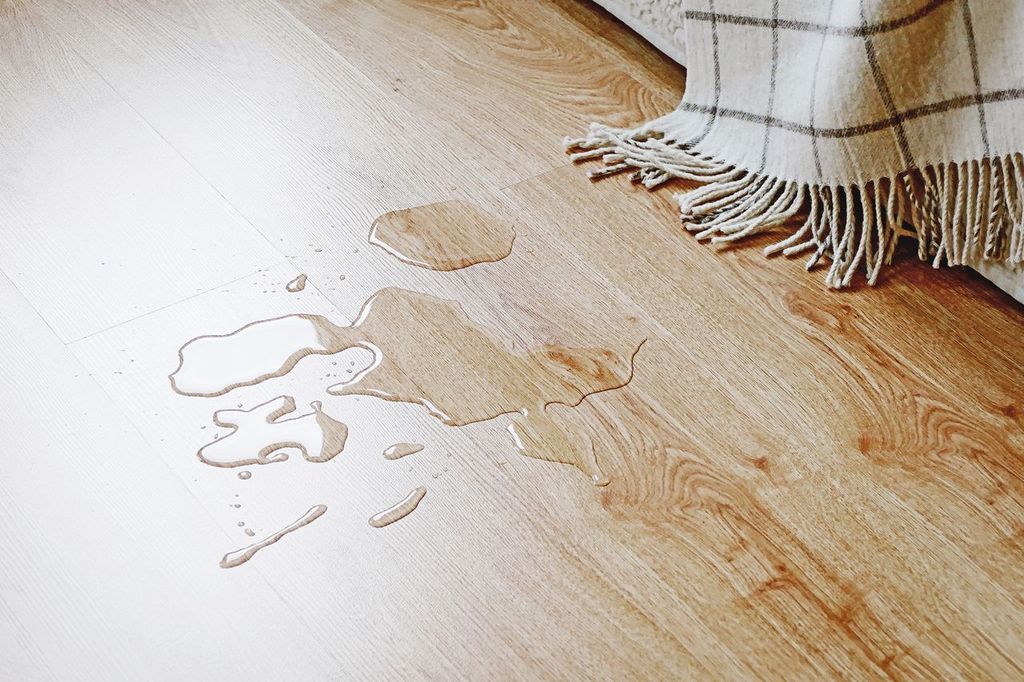
A Frozen Evaporator Coil Causes Water To Leak From Your Indoor AC Unit
A frozen evaporator coil is another frequent cause of water leaking from an indoor AC unit. The evaporator coil is the part that gets cold and absorbs heat from your indoor air. When airflow across the coil drops too low, the coil temperature falls below freezing. Moisture on the coil then turns to ice instead of dripping into the drain pan. A dirty air filter is the most common reason airflow drops in the first place. Low refrigerant can also cause the coil to freeze because the pressure inside the system falls. Closed or blocked supply vents reduce airflow as well, which adds to the problem. The ice keeps building until the system can no longer cool your home properly.
The leak from a frozen coil happens after the ice melts. When you turn the system off or the cooling cycle ends, the ice on the coil thaws all at once. That sudden flood of water overwhelms the drain pan and spills over the edges. The amount of water can be far greater than the pan was designed to hold. You may notice water around the air handler along with weak airflow from your vents before the leak appears. A coil covered in frost or a layer of ice is a clear visual sign of the problem. Warm air coming from your vents on a hot day often points to a frozen coil too. Catching this early protects both your floors and your compressor.
Fixing a frozen evaporator coil starts with finding the reason airflow or refrigerant dropped. A technician will inspect the air filter, the blower motor, and the coil itself for dirt and damage. They will also check the refrigerant charge with gauges to confirm the system holds the correct amount. A low charge points to a leak in the refrigerant lines, which requires professional repair under EPA rules. Homeowners should never add refrigerant themselves, since handling it requires certification and special equipment. Turning the system to fan only mode helps the ice melt faster while you wait for service. Replacing a dirty filter and opening blocked vents prevents many coil freezes from the start. Regular maintenance keeps airflow strong and the refrigerant charge correct throughout the cooling season.
A Damaged Drain Pan Causes Water To Leak From Your Indoor AC Unit
A damaged drain pan is a common cause of water leaking from an indoor AC unit in older systems. The drain pan sits beneath the evaporator coil and catches the condensation that drips off it. Most pans are made of metal or plastic, and both wear out over many years of use. Metal pans rust and corrode after years of holding water, which leads to small holes and cracks. Plastic pans can crack from age, heat, and shifting during service work. Once the pan develops a crack, water drips straight through it instead of flowing to the drain line. Many air handlers include a primary pan and a secondary pan for extra protection. A failure in both pans allows water to reach your floors or ceiling.
Spotting a damaged drain pan can be tricky because the pan sits inside the air handler cabinet. Rust stains, water marks, and visible cracks are the clearest signs of trouble. A pan that holds standing water long after the system runs may have a clogged drain rather than a crack. Water dripping from the bottom of the cabinet often points to a pan that no longer holds water. In attic units, you may first notice the problem as a stain on the ceiling below. The secondary drain pan usually has its own drain line that ends in a visible spot, such as above a window. Water dripping from that secondary line is a warning that the primary system has failed. Treat that drip as a signal to call for service right away.
Repairing a damaged drain pan depends on the type of pan and how your system is built. Some pans are easy to reach and replace, while others sit deep inside the cabinet under the coil. Replacing a primary pan under the coil often requires removing the coil first, which is a job for a trained technician. A technician will match the new pan to your specific unit to ensure a proper fit and seal. They may also treat the new pan with tablets that slow algae growth and reduce future clogs. In some cases, a badly corroded pan signals that the whole air handler is near the end of its life. A professional inspection helps you decide between a repair and a full replacement. Acting early on a failing pan protects your home from water damage and mold.
How To Stop Water From Leaking From Your Indoor AC Unit
Stopping water from leaking from your indoor AC unit starts with simple maintenance and quick action. Most leaks trace back to airflow problems, drain clogs, or worn parts that you can address before they cause damage. A few habits at home reduce the chance of a leak during the busiest cooling months. Professional service handles the parts of the system you cannot safely reach or repair. The steps below cover the most effective ways to keep your air handler dry and working well. Each one targets a specific cause from the section above. Together they form a routine that protects your equipment and your home. Consistent care costs far less than emergency repairs and water cleanup.
Need help stopping a leak fast before it damages your home? Click here for our air conditioning service.
Changing Your Air Filter To Stop Water Leaking From Your Indoor AC Unit
Changing your air filter is one of the easiest ways to stop water from leaking from your indoor AC unit. The air filter cleans the air before it passes over the evaporator coil. A dirty filter blocks airflow, which can cause the coil to freeze and later flood the drain pan. Most standard filters need replacement every one to three months, depending on the type and your home. Homes with pets or heavy dust usually need more frequent changes. During the Florida cooling season, your system runs almost constantly, so filters clog faster than in milder months. Checking the filter once a month takes only a minute and prevents many airflow problems. A clean filter keeps air moving across the coil and helps moisture drain the way it should.
Selecting the right filter matters as much as changing it on schedule. Filters carry a MERV rating that measures how well they trap particles. A higher MERV number traps smaller particles, yet a filter that is too dense can restrict airflow in some systems. Most homes work well with a filter rated between MERV 8 and MERV 11. Always match the filter size to the slot in your system so air does not slip around the edges. A loose filter or the wrong size lets dust reach the coil and reduces its effect. If you are unsure which filter fits your system, a technician can recommend the best option. The right filter balances clean air with strong airflow across the coil.
A regular filter routine protects more than just the drain pan. Clean filters reduce strain on the blower motor and help the system cool your home with less energy. Lower strain often means lower power bills during the hottest part of the year. A clean filter also keeps dust and debris out of the drain line, which slows clog formation. Better airflow keeps the coil at the correct temperature and prevents the freezing that leads to leaks. Many homeowners set a reminder on their phone to check the filter on the first of each month. This small habit prevents a large share of summer AC leaks. Pairing filter changes with annual maintenance gives your system the best protection.
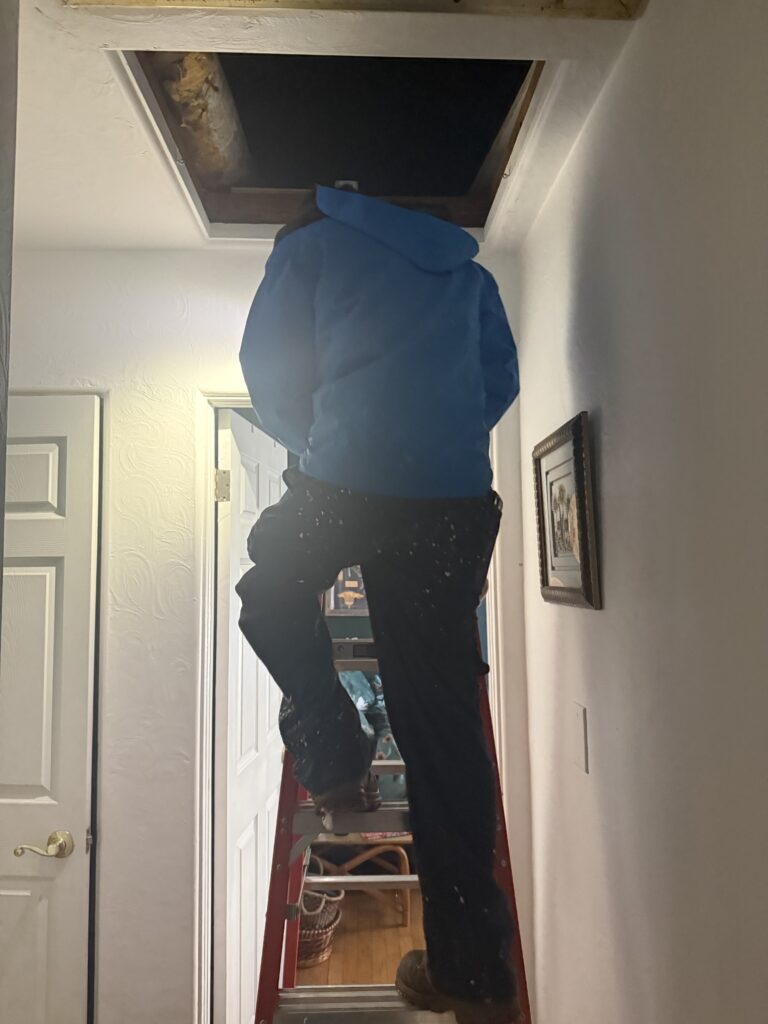
Flushing the Condensate Drain Line To Stop Water Leaking From Your Indoor AC Unit
Flushing the condensate drain line is a direct way to stop water from leaking from your indoor AC unit. The drain line carries condensation away from the system, and it clogs easily in our humid climate. A clear line lets water exit the drain pan as fast as the coil produces it. When the line stays clean, the pan never fills to the point of overflow. Many drain lines have an access point, often a capped pipe near the air handler. Pouring a cup of distilled vinegar into that access point each month helps control algae and slime. Vinegar breaks down the growth that forms the bulk of most clogs. This simple step keeps the line open between professional cleanings.
A deeper clog calls for more than a vinegar flush. A wet dry vacuum placed at the outdoor end of the drain line can pull out a stubborn blockage. You attach the vacuum to the pipe, seal the connection, and run it for a few minutes to clear the line. Some clogs sit too deep or pack too tight for a home vacuum to move. In those cases, a technician uses professional tools to clear and flush the entire line. They also confirm the line carries water all the way to its outlet. A drain line that slopes the wrong way will hold water and clog again soon. Correcting the slope is a job best left to a trained professional.
Preventing clogs is easier than clearing them after a leak starts. Keep the area around the air handler clean so dust does not enter the system. Schedule a drain line cleaning as part of your annual maintenance visit before the cooling season begins. Ask your technician to install a condensate drain treatment that slows algae growth over time. A float switch on the drain pan adds another layer of protection by shutting off the system before water overflows. If your system already has a float switch, test it during each service visit. Keeping the line clear protects your ceilings, floors, and the equipment itself. A few minutes of prevention saves hours of cleanup and repair later.
Scheduling AC Maintenance To Stop Water Leaking From Your Indoor AC Unit
Scheduling AC maintenance is the most reliable way to stop water from leaking from your indoor AC unit. A maintenance visit catches small problems before they grow into leaks and breakdowns. During the visit, a technician inspects the coil, the drain pan, the drain line, and the refrigerant charge. They clean the parts that collect dirt and confirm that water drains the way it should. This thorough check covers every cause of leaking that we discussed above. In Florida, the best time for this service is spring, before the system runs hard all summer. A tune up at that point sets your system up for a dry and trouble free cooling season. Skipping maintenance lets small issues build until they cause a leak on the hottest day of the year.
Maintenance does more than prevent leaks; it also protects your comfort and your budget. A clean and well tuned system uses less energy to cool your home. Lower energy use means smaller power bills during the long Florida summer. Regular service also extends the life of your equipment and protects the manufacturer warranty. Many warranties require proof of annual maintenance to remain valid. A technician records the work performed, which gives you that proof if you ever file a claim. Catching a refrigerant leak or a worn part early prevents a much larger repair later. The cost of a tune up is small next to the cost of an emergency call.
A maintenance plan makes this care simple and consistent. With a plan, your service visits are scheduled for you, so you never miss the ideal window. Many plans include priority service and discounts on repairs when something does go wrong. Regular visits build a record of your system, which helps a technician spot trends over time. That history makes future diagnosis faster and more accurate. A consistent schedule also keeps your drain line and coil clean year after year. The result is fewer surprises and a system that lasts closer to its full expected life. Investing in routine care is the surest way to keep water inside the drain line and out of your home.
Why You Need Professional Help For a Leaking Indoor AC Unit
Some AC leaks have a simple fix, while others point to a deeper problem in the system. A licensed technician can tell the difference and repair the cause, not just the symptom. Refrigerant work, coil repair, and drain pan replacement all require training, tools, and certification. Attempting these repairs without the right knowledge can damage the system or void the warranty. A professional visit also protects your home from the water damage and mold that leaks can cause. The team at Sol Aire Air Conditioning is ready to find and fix the source of any leak fast. Click here for our air conditioning service to schedule a visit.
Professional Diagnosis For a Leaking Indoor AC Unit
A professional diagnosis is the first step toward stopping a leaking indoor AC unit for good. A technician follows the water back to its true source rather than guessing. They check the drain line, the drain pan, the coil, and the refrigerant charge in order. This careful process rules out each cause until the real problem is clear. A correct diagnosis the first time saves you money and prevents repeat visits. It also means the repair actually solves the leak instead of masking it.
The right tools make an accurate diagnosis possible. Technicians use gauges to read refrigerant pressure and meters to test electrical parts. A wet dry vacuum and drain cameras help them inspect and clear the condensate line. Moisture meters and visual inspection reveal hidden water damage in walls and ceilings. This equipment finds problems that are easy to miss with a quick look. A proper diagnosis protects your home from leaks you cannot see.
A thorough diagnosis also looks at the age and condition of the whole system. An older unit with a corroded pan and a worn coil may need more than a single repair. A technician will explain your options clearly and let you decide the best path. You receive honest information about repair costs and the value of a replacement. This open approach helps you make a smart choice for your home and budget. Clear communication is the foundation of good service.
Preventing Future Leaks From Your Indoor AC Unit
Preventing future leaks from your indoor AC unit is just as important as fixing the current one. A good technician does more than stop the drip in front of them. They explain what caused the leak and how to keep it from coming back. Simple steps like regular filter changes and annual tune ups make a real difference. A clean drain line and a healthy coil keep water flowing where it belongs. Prevention turns a one time repair into long term peace of mind.
A maintenance plan is the easiest way to prevent future leaks. With scheduled visits, your system gets checked before each cooling season begins. The technician clears the drain line, inspects the pan, and confirms strong airflow across the coil. These visits catch worn parts early, before they fail and flood your home. The small cost of a plan is far less than the cost of water damage repair. Steady care keeps your system dry and dependable for years.
Small habits at home support the work a technician does. Check your air filter on the first of each month and replace it when it looks dirty. Keep supply and return vents open and free of furniture so air moves freely. Watch the area around your air handler for any sign of moisture. Listen for changes in airflow or new sounds from the system. When you notice a problem early, a quick call prevents a major repair.
Why Choose Sol Aire Air Conditioning For Your Leaking AC Unit
Sol Aire Air Conditioning brings more than fifty years of combined industry experience to every leaking AC unit we service. We are a licensed and insured HVAC contractor in Florida, and our technicians are background checked for your peace of mind. As a Daikin Pro, Mitsubishi Diamond, and Navien certified dealer, we work with trusted equipment and proven methods. Our team treats your home with respect and explains every step in plain language. We believe in old fashioned customer service backed by clear communication. You always know what we found and what we recommend.
We make quality service easy to access for homeowners across our service area. We offer free estimates with honest, no pressure recommendations, so you never feel rushed into a decision. Financing options are available for your next HVAC service, which helps you handle larger repairs with less stress. We serve Sanford and many nearby communities, including Lake Mary, Heathrow, and Longwood. Our local roots mean we understand the demands that Florida humidity places on your system. We arrive ready to find the source of the leak and fix it right.
A leaking AC unit needs fast and reliable attention, and we are here to help. Call us at (407) 789-4000 to schedule service for your leaking indoor AC unit. You can also reach our team by email at service@solaireac.com with any questions. We are located at 4380 St Johns Parkway, Suite 120, in Sanford, Florida. Our goal is a cool, dry, and comfortable home for every customer we serve. Trust Sol Aire Air Conditioning to protect your home from water leaks all season long.