
Smart Thermostat Settings That Actually Lower Your Power Bill
A smart thermostat sits on the wall doing very little if the settings inside it are wrong, and Florida homeowners often pay the price every summer through inflated power bills. The right smart thermostat settings can shave real dollars off a monthly electric statement, especially in Central Florida, where cooling loads run hard from May through October. Most households in Sanford, Lake Mary, and the surrounding service area run their air conditioning for eight to ten months out of the year, which means every degree and every schedule choice matters. Sol Aire Air Conditioning has spent years dialing in smart thermostat programming for local homes, and the patterns that lower power bills are consistent across nearly every household. This guide walks through the smart thermostat settings that actually move the needle on your electric bill, with practical numbers tied to Florida humidity, Florida heat, and Florida construction. The goal is simple; help you keep the house comfortable while spending less money to do it. Read on for the smart thermostat settings that pay for the device itself within a single cooling season.
How Smart Thermostat Settings Lower Your Power Bill in Florida
Smart thermostat settings lower your power bill by matching cooling output to actual demand rather than running the system on a fixed temperature all day. In a Florida home, the largest energy waste comes from cooling empty rooms and overcooling the house overnight when outdoor temperatures finally drop. A properly programmed smart thermostat reads occupancy, outdoor conditions, and your daily routine, then adjusts the setpoint in small steps that you barely feel. The U.S. Department of Energy reports that a setback of seven to ten degrees for eight hours a day can cut cooling costs by up to ten percent annually, and smart thermostats automate that setback so you never forget. Layered humidity control, fan settings, and geofencing add another stack of savings on top of basic scheduling. Sol Aire Air Conditioning sets up smart thermostats with these layers built in so homeowners see lower bills without lifting a finger after installation.
Smart Thermostat Temperature Settings That Lower Your Power Bill
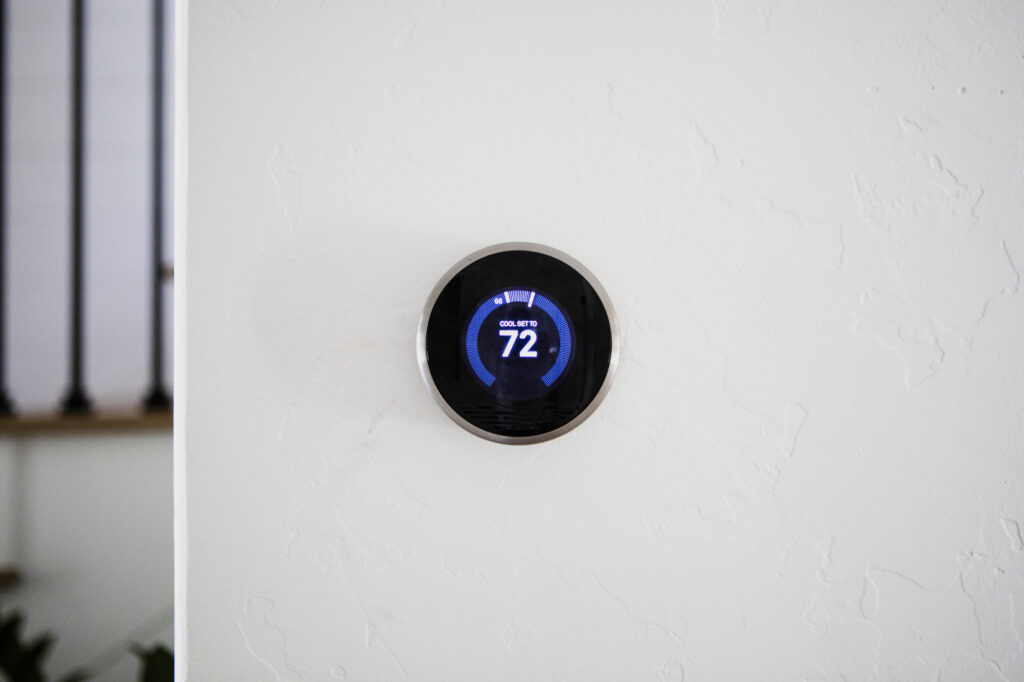
The single most powerful smart thermostat setting for lowering your power bill is the daytime setpoint, and seventy-eight degrees is the sweet spot for Florida cooling. Each degree below seventy-eight increases cooling costs by roughly six to eight percent, so a homeowner running the system at seventy-two is paying nearly forty percent more than a neighbor running it at seventy-eight. The smart thermostat lets you hold seventy-eight while you are home, then push the setpoint to eighty-two or eighty-three during work hours when nobody is there to feel the difference. Overnight, most bodies cool comfortably at seventy-six to seventy-seven, since sleeping metabolism drops and ceiling fans can carry the rest of the comfort load. Program these three temperature blocks into the smart thermostat schedule and the system will stop overcooling empty rooms during the hottest part of the day.
Vacation and away mode settings on a smart thermostat add another layer of power bill savings that most homeowners ignore. When the family heads out for a weekend trip, bumping the setpoint to eighty-five degrees prevents the system from short cycling while still keeping humidity in check. Most smart thermostats let you trigger this mode from your phone, so a forgotten vacation setting is no longer a forty dollar mistake at the end of the month. Pair the away mode with a return scheduler that pre cools the house an hour before you walk back in, and the home is comfortable the moment you arrive. This combination of high setback temperatures during absence and timed pre cooling before arrival is one of the highest impact smart thermostat settings for Florida households.
Adaptive recovery, sometimes called smart recovery, is a feature that learns how long your air conditioning system takes to reach the target temperature and starts the cycle earlier so the house is cool right on schedule. Without adaptive recovery, the system blasts at maximum capacity to catch up when the schedule changes, which wears down compressors and spikes peak demand charges in some utility plans. Turning on adaptive recovery inside the smart thermostat settings spreads the cooling load over a longer, gentler ramp, which uses less electricity overall. This setting is especially valuable in older Sanford and Deltona homes where ductwork and insulation may not be airtight. Need a tune up to make sure your system can keep up with smart scheduling? Click here for our air conditioning service.
Smart Thermostat Fan Settings That Lower Your Power Bill
The fan setting on a smart thermostat is one of the most misunderstood controls, and the wrong choice can quietly add fifteen to twenty dollars to a Florida power bill every month. Setting the fan to ON runs the blower motor twenty four hours a day, even when the compressor is not cooling, which pulls humid air through the system and re evaporates moisture back into the house. Setting the fan to AUTO runs the blower only during active cooling cycles, which keeps humidity down and stops the blower motor from running thousands of unnecessary hours. For nearly every Central Florida home, AUTO is the correct smart thermostat fan setting, and homeowners who switch from ON to AUTO often see an immediate drop in their next electric statement. Sol Aire technicians confirm this setting on every smart thermostat installation because it pays back instantly.
Circulate mode, available on many smart thermostats, splits the difference between ON and AUTO by running the fan for a set number of minutes per hour even when cooling is not active. In Florida, circulate mode is usually a mistake because moving humid air through a wet evaporator coil pushes humidity back into the living space. The exception is shoulder season, in late October and early November, when humidity drops and circulating air can even out room temperatures without a humidity penalty. During peak summer months from May through September, circulate mode should be turned off inside the smart thermostat settings to protect both comfort and the power bill. Adjusting fan modes seasonally takes thirty seconds and prevents a slow drift toward higher humidity and higher cooling costs.
Variable speed air handlers paired with smart thermostats unlock another tier of fan savings that fixed speed systems cannot match. A variable speed blower can run at thirty or forty percent capacity for long, gentle cycles that wring more humidity out of the air using less electricity. The smart thermostat communicates with the air handler to choose the fan speed based on indoor humidity, outdoor temperature, and the gap between current and target temperature. This setup turns the air conditioning system into a true dehumidifier on humid Florida mornings without the cost of running a separate dehumidifier unit. Want to upgrade to a variable speed system that pairs perfectly with smart thermostat controls? Click here for our heat pump service.
Smart Thermostat Humidity Settings That Lower Your Power Bill
Humidity control may be the single biggest power bill lever available inside a Florida smart thermostat, and most homeowners never even open the menu. The human body feels cooler at lower humidity, which means a house at seventy nine degrees and forty five percent humidity feels more comfortable than a house at seventy six degrees and sixty five percent humidity. Setting a humidity target between forty five and fifty five percent inside the smart thermostat lets you raise the temperature setpoint by two to three degrees without losing comfort. That two to three degree shift translates directly into twelve to twenty percent in cooling cost savings every month. Sol Aire programs humidity targets on every compatible smart thermostat install because Central Florida humidity is too aggressive to ignore.
Overcool to dehumidify is an advanced smart thermostat setting that allows the system to dip one or two degrees below the temperature setpoint when humidity rises above the target. This setting trades a small amount of extra runtime for a much drier, more comfortable home, and the net effect on the power bill is usually positive because the homeowner can raise the overall temperature setpoint. The feature is most useful during August and September, when Central Florida humidity often climbs above seventy percent outdoors. Limit the overcool offset to two degrees so the system does not chase humidity into freezing coil territory. Properly tuned, this setting keeps the house feeling crisp without driving the compressor into long, expensive cycles.
Smart thermostats paired with whole home dehumidifiers create the most efficient humidity control system available for Florida homes. A dedicated dehumidifier uses far less electricity to remove a pint of water than an air conditioner does, so offloading humidity work to the dehumidifier frees up the air conditioner to focus on temperature. The smart thermostat coordinates the two pieces of equipment, calling for dehumidification first and cooling second based on indoor sensor readings. This layered humidity strategy is common in larger Heathrow and Lake Mary homes where comfort expectations are high. The result is a quieter, drier house with a noticeably lower power bill compared to a single stage cooling only setup.
Advanced Smart Thermostat Settings That Lower Your Power Bill Even More
Once the basic temperature, fan, and humidity settings are dialed in, advanced smart thermostat features can push the power bill savings even further. Geofencing, learning algorithms, utility rate integration, and remote sensors all read information that a manual thermostat never could. These features turn the smart thermostat into a small home energy manager rather than a glorified temperature dial. The savings from advanced settings usually add another five to fifteen percent on top of basic scheduling, which is meaningful on a Florida summer bill that can top three hundred dollars. Sol Aire Air Conditioning configures these features during installation so the homeowner does not have to dig through menus. Every advanced setting below has been tested in real Central Florida homes with real Central Florida power bills.
Geofencing Smart Thermostat Settings That Lower Your Power Bill
Geofencing uses the location of your phone to tell the smart thermostat when the house is empty and when someone is on the way home. The setting draws a virtual circle around the property, often two to seven miles wide, and triggers an away setpoint the moment every phone crosses outside the circle. Geofencing eliminates the most common scheduling mistake, which is forgetting to adjust the thermostat before a long, unplanned errand or trip. In a household with shifting work schedules, geofencing can save more electricity than a fixed schedule because no one has to remember to update the thermostat. The technology runs in the background and rarely fails when the phone has a stable cellular signal.
Setting the geofence radius correctly is the difference between savings and a hot house at arrival. A two mile radius is usually too small for Sanford and Lake Mary commuters because the system does not get enough lead time to cool the house before the homeowner walks in. A five to seven mile radius gives the air conditioning system roughly fifteen to twenty minutes of pre cooling time, which is enough to bring the house from eighty three down to seventy eight before the front door opens. Smart thermostats with adaptive recovery built in will adjust the geofence response based on outdoor temperature, running longer pre cooling cycles on hotter days. This radius tuning is a small detail with a big comfort and bill impact.
Multi user geofencing makes sure the thermostat only goes into away mode when every household member has left the property. Single user geofencing can cause the system to trigger away mode when one person leaves even though others are still home, which causes obvious comfort problems. Configuring all household phones inside the smart thermostat app prevents this mistake and keeps the system honest about occupancy. Some thermostats also let guests connect temporarily, which is useful for long visits from family. Need help connecting a new smart thermostat to your home network? Click here for our thermostat service.
Learning Smart Thermostat Settings That Lower Your Power Bill
Learning smart thermostats track your manual adjustments over the first one to two weeks and build a schedule that matches your real preferences rather than a generic template. The thermostat notices that you bump the setpoint down at nine each evening and up at six each morning, then bakes those changes into the program. Once the schedule is locked in, the homeowner stops touching the thermostat, which prevents the random overcooling that drives bills up. Learning algorithms also notice seasonal drift and adjust setpoints gradually as outdoor temperatures change from spring to summer to fall. The end result is a schedule that nobody had to write but that fits the household perfectly.
Energy reports inside learning smart thermostats turn raw usage data into clear, actionable feedback every month. The report shows how many hours the system ran, which days were the most expensive, and how the current month compares to the previous month. Homeowners who read these reports tend to make small, smart adjustments that compound into real savings over a full cooling season. Sol Aire often reviews these reports during maintenance visits and points out settings that could be tightened up. The transparency provided by these reports is one of the strongest arguments for upgrading from a basic programmable thermostat to a learning smart model.
Algorithm based pre cooling uses weather forecast data pulled from the internet to start the cooling cycle earlier on days that will be hotter than usual. The smart thermostat sees that the forecast calls for ninety four degrees by two in the afternoon and begins cooling the house at noon rather than waiting for the indoor temperature to climb. Pre cooling during cheaper morning hours, before peak demand pricing kicks in on some utility plans, is one of the most effective bill reduction strategies available. The setting works best in well insulated homes where the cool air sticks around for several hours. Combining algorithm based pre cooling with shaded windows and ceiling fans creates a powerful, low cost comfort stack.
Utility Rate Smart Thermostat Settings That Lower Your Power Bill
Time of use utility plans, offered by some Central Florida providers, charge different electricity rates at different hours of the day, and smart thermostats can read those rates and adjust accordingly. The thermostat shifts cooling load into cheaper hours, usually overnight and early morning, while easing back during expensive afternoon peak windows. Programmed correctly, this single setting can cut a power bill by ten to twenty percent without any change in comfort. The homeowner has to be on a time of use rate plan for this feature to apply, so checking the utility account first is the right starting point. Once enabled, the smart thermostat does the work of shifting cooling cycles automatically.
Demand response programs, available through some utilities, give homeowners a small bill credit for letting the utility briefly raise the thermostat setpoint during peak grid stress. The smart thermostat receives the signal, bumps the setpoint by two or three degrees for an hour or two, and the home barely notices the change. Over a summer, these credits can add up to fifty or one hundred dollars in savings depending on the utility program. Enrollment is voluntary and can be canceled at any time through the smart thermostat app. Sol Aire helps homeowners review available programs in the local service area during thermostat installation.
Solar paired smart thermostats can coordinate cooling with solar production so the system runs hardest when free solar electricity is available. The thermostat reads either utility data or a connected solar inverter and pushes cooling cycles into midday hours when the panels are producing the most power. For homes without solar, the same logic applies in reverse; the thermostat can avoid running during the most expensive evening hours by pre cooling earlier in the afternoon. These integrations are growing more common as utility rates shift toward time based pricing across Florida. Done right, this setting turns the smart thermostat into the brain of the whole home energy plan.
Why You Need Professional Smart Thermostat Installation and Programming
A smart thermostat is only as smart as the installation and programming behind it, and a poorly wired or poorly configured unit will not lower your power bill no matter how expensive the device. Professional installation makes sure the C wire is connected correctly, the unit is communicating with the air handler, and the equipment settings inside the thermostat match the actual system type. Programming goes beyond installation; it requires knowledge of Florida humidity patterns, local utility rate structures, and the way Central Florida homes hold heat. Sol Aire Air Conditioning has installed and programmed thousands of smart thermostats across Sanford, Lake Mary, and the surrounding service area. The right setup pays for itself, and the wrong setup quietly drains money every month. Three reasons stand out for choosing professional smart thermostat service.
Why You Need Professional Smart Thermostat Wiring
Smart thermostats draw constant low voltage power, and many older Central Florida homes have only four wires running from the air handler to the thermostat location. Without a C wire, the thermostat tries to power itself from short bursts on the heating and cooling wires, which causes random reboots, lost Wi Fi connections, and short cycling of the air conditioning system. A licensed HVAC technician can pull a new C wire, install an add a wire adapter, or upgrade the control board at the air handler to provide stable power. Proper wiring is the foundation that every smart thermostat setting sits on, and skipping this step is the most common DIY mistake.
Voltage mismatches between line voltage thermostats and low voltage smart thermostats can damage the new device the moment power is applied. Some older homes, especially those with electric baseboard heat or unusual heat pump configurations, use line voltage controls that are not compatible with standard smart thermostats. A professional technician identifies the system type before opening the box and recommends the correct smart thermostat model for the home. This step prevents a costly mistake and protects the warranty on both the thermostat and the air conditioning equipment. Sol Aire confirms compatibility on every visit before any wiring work begins.
Heat pump systems, common in newer Central Florida construction, require specific smart thermostat settings for auxiliary heat lockouts and reversing valve orientation. Setting these options wrong can cause the auxiliary electric heat strips to run during mild weather, which can add fifty to one hundred dollars per month to a winter power bill. A trained installer programs the heat pump correctly, locks out auxiliary heat above a chosen outdoor temperature, and verifies the reversing valve setting matches the equipment. These details are invisible inside the menu but enormous on the bill. Professional smart thermostat installation includes these checks every time.
Why You Need Professional Smart Thermostat Programming
Programming a smart thermostat for maximum savings requires understanding how the home loses heat, how the family uses the home, and how local utility rates are structured. A technician walks through the daily schedule with the homeowner, asks about work hours, sleep times, pets, and travel patterns, then builds the schedule around real life. This conversation produces a program that fits the household rather than a generic template the homeowner abandons after a week. The right program survives long term because it matches actual habits.
Humidity targets, fan modes, and recovery settings interact with each other in ways that are not obvious from the user manual. A professional installer knows which combinations work in Florida and which ones cause comfort problems or runaway energy use. The technician sets these advanced options correctly on the first visit and explains the logic so the homeowner can adjust later with confidence. This knowledge transfer is part of what separates professional installation from a hardware swap.
Seasonal reprogramming keeps the smart thermostat aligned with changing conditions throughout the year. Sol Aire offers smart thermostat tune up visits during routine air conditioning maintenance, which is the perfect time to review schedules, update humidity targets, and adjust fan modes for the upcoming season. Want a full system check and thermostat review before the heat hits hardest? Click here for our air conditioning service.
Why You Need Sol Aire Air Conditioning for Smart Thermostat Service
Sol Aire Air Conditioning brings over fifty years of combined industry experience to every smart thermostat installation and programming visit in the Sanford and Central Florida area. Our technicians are background checked, licensed, and insured, and we treat every home with old fashioned customer service and clear communication. We are a Daikin Pro, Mitsubishi Diamond, and Navien Certified Dealer, which means the equipment we recommend works with the smart thermostat we install.
We offer free estimates with honest, no pressure recommendations on every smart thermostat consultation. If a homeowner already has a smart thermostat and just needs help with programming, we handle that too without trying to upsell new equipment. Financing options are available for homeowners who want to upgrade to a higher tier smart thermostat or pair the new control with a variable speed air handler or heat pump.
Choosing Sol Aire Air Conditioning means choosing a local team that understands Central Florida humidity, Central Florida construction, and Central Florida utility rates. We program every smart thermostat to lower your power bill from the very first month, and we stand behind every installation. Call our office at (407) 789-4000 or email service@solaireac.com to schedule a smart thermostat consultation. Honest pricing, proven results, and a cooler, cheaper home are one phone call away.