
Should You Cover Your Outdoor AC Unit During A Storm
Florida storm season brings heavy rain, high wind, and flying debris that can put your outdoor air conditioner at risk, and many homeowners wonder if throwing a cover over the unit is the smart move. The short answer surprises most people, because your outdoor condenser is built to sit in the weather every single day of the year. Manufacturers design these units with drainage, corrosion resistant coils, and sealed electrical compartments so that rain alone causes no harm. Covering the unit fully while it runs actually traps heat and moisture, blocks the airflow the system depends on, and can lead to rust, mold, and coil damage over time. That said, a strong storm is a different animal than a normal afternoon shower, and there are specific situations where limited protection makes sense. This guide walks through what really threatens your system during a storm, when covering helps, when it hurts, and the steps that protect your investment the right way. Understanding the difference keeps your equipment safe without accidentally creating new problems that show up weeks later as poor cooling or a burned out compressor.
Why You Should Not Fully Cover Your Outdoor AC Unit During A Storm
The idea of shielding your air conditioner from a downpour feels protective, yet a full wrap or tarp usually does more harm than good, especially in a humid climate like Central Florida. Your outdoor condenser needs constant airflow across its coils to release heat, and it needs to breathe even when it sits idle. A sealed cover holds humidity against the metal, and trapped moisture is the leading cause of premature rust on coils, fins, and cabinet panels. Covers also invite pests looking for a dry, dark space to nest, and rodents love to chew wiring and refrigerant line insulation. On top of that, running your system with a tight cover in place starves the compressor of the heat rejection it requires, which drives up pressure and shortens the life of the most expensive part in the whole system. The weatherproofing already built into your unit is far more effective than any tarp you can buy.
The Real Reason Rain Does Not Damage Your Outdoor AC Unit During A Storm
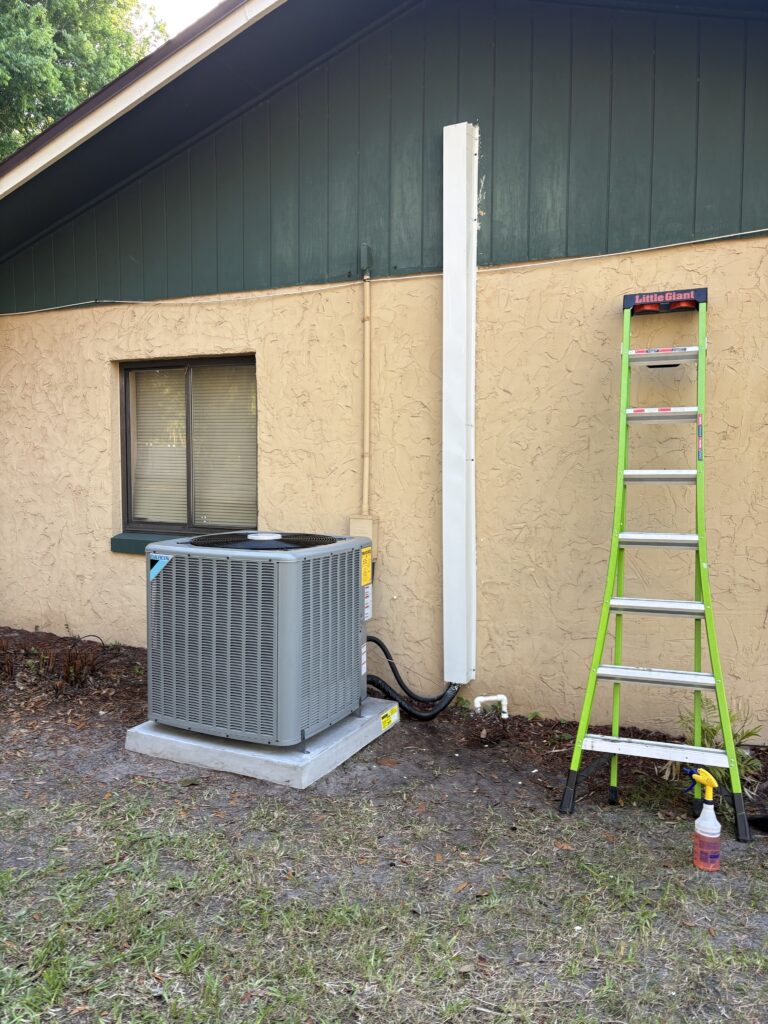
Your outdoor unit, known in the trade as the condenser, houses the compressor, the condenser coil, a fan, and the electrical controls inside a metal cabinet that engineers built to live outside in every kind of weather. Rain passes harmlessly through the coil fins and drains out the bottom of the cabinet, which is exactly how the manufacturer intended it to work. The electrical connections sit inside a sealed compartment with a gasketed access panel, and the wiring is rated for outdoor exposure and temperature swings. Even the contactor and capacitor, the parts that switch the system on and control the motors, are protected from direct water intrusion when the cabinet is intact. A brand like Daikin, which we install and service as a certified Daikin Pro dealer, tests these units against driving rain and moisture long before they ever reach a driveway. So a typical Florida thunderstorm, even a heavy one, is simply not a threat to a healthy, properly installed condenser. The rain that worries you is the same rain the system was engineered to shrug off day after day.
The confusion often comes from the practice of covering units in northern climates during winter, where the concern is falling ice and dry leaves, not summer storms. Homeowners see a neighbor up north wrap a unit for the off season and assume the same logic applies in Florida, but the situations are completely different. In our region the air conditioner runs nearly year round, so there is rarely a true off season where the unit sits unused for months. Wrapping a working system that cools through most of the calendar creates far more risk than any benefit it could offer. If moisture is the enemy you fear, sealing moisture inside a cover is the last thing you want to do. The metal cabinet already sheds water, and the drainage design already handles the rest. Trusting the engineering is almost always the better call than improvising with a plastic sheet.
There is also a practical airflow issue that people overlook when they reach for a tarp. The fan on top of your condenser pulls air up and out to carry heat away from the refrigerant, and anything draped over that fan blocks the path the heat needs to escape. When the system cannot reject heat efficiently, refrigerant pressure climbs, the compressor works harder, and energy bills climb right along with it. Over a full cooling season, that added strain translates into worn parts and a shorter service life for equipment that should last well over a decade. Poor airflow also masks small problems until they grow into large ones, since a struggling system runs hot without an obvious warning sign. Keeping the unit open and clear protects both performance and longevity. Free airflow is not a luxury for a condenser; it is a basic requirement for the machine to function at all.
When Flooding Threatens Your Outdoor AC Unit During A Storm
While rain itself is harmless, standing water is a serious hazard, and flooding is the single biggest storm threat to any outdoor condenser in Florida. When water rises high enough to reach the electrical components, the fan motor, or the compressor terminals, it can cause shorts, corrosion inside the sealed sections, and damage that a simple cover would never have prevented anyway. Floodwater often carries mud, sand, and contaminants that settle inside the cabinet and around the coil, clogging the fins and coating the moving parts. Salt water intrusion from coastal surge is even more destructive, because salt accelerates corrosion on every metal surface it touches. A cover offers zero protection against water that rises from below, so the answer to flooding is elevation and shutoff, not wrapping. This is why proper installation height and pad placement matter so much in flood prone neighborhoods.
If you know a major storm with flood potential is heading your way, the smartest move is to shut the system off at the breaker before the water arrives. Powering down removes the electrical risk, since a submerged unit that is still energized can short out, trip breakers, or create a genuine safety hazard around standing water. Never wade into floodwater to reach an outdoor unit while power is still on, because water and live electricity are a deadly combination that no HVAC repair is worth. Once the storm passes and the water recedes, resist the urge to flip the system back on right away. Even if the unit looks fine on the outside, water may have reached bearings, windings, and control components that need inspection before they run again. A rushed restart can turn a repairable situation into a full replacement.
After any flooding event, a professional inspection is the responsible next step before the system cools your home again. A qualified technician will open the cabinet, check for water intrusion in the compressor and motor, test the electrical components, and flush out any debris left behind by the flood. Refrigerant lines and the indoor coil should be checked as well, since a flooded outdoor unit can signal problems elsewhere in the system. Attempting to run a flood damaged air conditioner risks compressor failure, motor burnout, and even fire in extreme cases, all of which cost far more than the inspection. If your unit sat in floodwater and you want a trained technician to evaluate it, our team handles storm damage assessments across the region. Need an inspection after a flood or major storm? Click here for our air conditioning service. Getting a professional set of eyes on the equipment first protects both your safety and your wallet.
How Flying Debris Can Damage Your Outdoor AC Unit During A Storm
The one storm threat where limited covering can actually help is flying debris, and this is where careful judgment separates smart protection from a costly mistake. High wind during a severe storm or hurricane can hurl branches, roof shingles, patio furniture, and loose yard items straight into your condenser. A direct strike can bend the aluminum fins that surround the coil, dent the cabinet, or crack the fan blades inside the top of the unit. Bent fins restrict airflow and reduce efficiency, while a damaged fan can throw the motor out of balance and lead to failure. Unlike rain, debris causes real physical harm, so protecting against impact is a legitimate concern during named storms and severe weather warnings. The key is choosing a protection method that guards against impact without trapping moisture or blocking airflow during normal operation.
The safest approach for debris protection is a rigid, breathable barrier used only during the storm, and only after the system is turned off. Some homeowners place a piece of plywood on top of the unit, weighted down securely so it does not become a projectile itself, to shield the fan opening from falling objects. Others use a manufacturer approved top cover designed specifically to guard the fan while leaving the sides open for airflow. The critical rules are simple: turn the unit off at the breaker first, never fully wrap the sides, and remove the protection the moment the storm passes. Leaving any cover in place after the weather clears reintroduces all the moisture and airflow problems discussed earlier. Temporary and targeted protection works; permanent or full enclosure does not.
Trimming your landscaping ahead of storm season is one of the most effective and overlooked ways to protect your condenser from debris. Overhanging branches, tall shrubs, and loose decorative items near the unit all become dangerous during high wind, so clearing that zone reduces the odds of a strike before the storm ever forms. Keep at least a couple of feet of open space around every side of the unit for airflow and service access, and secure or store loose yard items when a storm approaches. Hurricane straps or a tie down kit can anchor the unit to its pad and help it resist being shifted or lifted by extreme wind. These preparation steps cost little and prevent the kind of damage a cover cannot stop. A well cleared, well anchored unit stands a far better chance of coming through a major storm intact.
How To Protect Your Outdoor AC Unit During A Storm The Right Way
Protecting your air conditioner during storm season is less about covering it and more about a handful of smart preparation steps that address the threats that actually matter. The goal is to guard against flooding, power surges, and flying debris while preserving the airflow and moisture drainage your system needs to run safely. Most of these steps take only a few minutes and cost nothing, yet they prevent the expensive repairs that catch homeowners off guard after a bad storm. Timing matters too, since some steps belong to routine seasonal prep and others should happen only when a serious storm is on the forecast. A little planning before hurricane season keeps you from scrambling when a warning arrives. Below are the actions that genuinely make a difference, organized from everyday readiness to storm day response.
Storm Season Preparation For Your Outdoor AC Unit During A Storm
The best storm protection starts well before any clouds gather, during the calm weeks at the beginning of hurricane season. Schedule a seasonal tune up so a technician can confirm the unit is level, the electrical connections are tight, and the cabinet is fully sealed against water intrusion. A professional will also clear the coil, check refrigerant levels, and verify that the drainage is working so the unit sheds water the way it should during heavy rain. This is also the moment to confirm the unit sits on a proper pad at an appropriate height, which matters enormously in flood prone areas. Elevating a condenser on an approved stand or raised pad can be the difference between a unit that survives a flood and one that must be replaced entirely. Routine maintenance turns your equipment into storm ready equipment long before the first watch is issued.
Surge protection is one of the most valuable and least understood safeguards you can add to an air conditioning system. Lightning and grid fluctuations during storms send voltage spikes down the power lines, and those spikes can fry the control board, capacitor, and compressor in an instant. A dedicated surge protector installed at the unit or at the electrical panel absorbs those spikes and shields the sensitive components inside. Given how expensive a compressor and control board are to replace, surge protection often pays for itself the first time a storm rolls through. Our technicians can install and test the right surge protection for your system as part of a maintenance visit. Want your system protected before storm season peaks? Click here for our air conditioning service. Adding this layer of defense guards the parts that storms threaten most.
Clearing the area around your condenser is the final piece of seasonal preparation, and it pays off every time the wind picks up. Cut back branches, remove loose yard items, and keep mulch, leaves, and debris from piling up against the cabinet where they can block airflow and trap moisture. Confirm that the ground around the unit drains away from it rather than pooling water at its base, since good drainage reduces flood risk during heavy rain. Make a note of where your outdoor breaker or disconnect is located so you can shut the system down quickly when a storm approaches. Keep a piece of plywood or an approved top cover on hand so you are ready to shield the fan if a severe storm is forecast. Preparation done early means you simply execute a plan when the weather turns instead of improvising in the wind and rain.

What To Do With Your Outdoor AC Unit During A Storm As It Approaches
When a severe storm, tropical storm, or hurricane is genuinely bearing down, the response shifts from preparation to action, and the first priority is your power. For an ordinary thunderstorm you can leave the system running normally, because the unit handles rain and moderate wind without issue. For a major named storm with the risk of flooding or extended power outages, shut the system off at the breaker before the worst of the weather arrives. Powering down protects the compressor and control board from surges and prevents damage if floodwater reaches the unit while it is still energized. This single step prevents some of the most common and most expensive storm related failures we see. Turning the system off is inconvenient for an hour or two, but it protects thousands of dollars in equipment.
Once the power is off, add temporary debris protection only if the storm is severe and only in a way that leaves the sides open. Place a weighted piece of plywood or an approved top cover over the fan opening to guard against falling branches and airborne objects, and secure it so it cannot blow loose. Bring in or tie down patio furniture, grills, planters, and any loose items that wind could turn into projectiles aimed at the unit. If you have hurricane straps or a tie down kit, this is the time to confirm the unit is anchored firmly to its pad. Do all of this before the wind reaches dangerous speeds, never during the height of the storm. Working around the unit in high wind is not worth the risk to your safety.
After the storm passes, take a careful and patient approach before restoring cooling to your home. Inspect the unit visually for standing water, dents, bent fins, displaced panels, and any debris lodged in the coil or fan. If the unit sat in floodwater, do not turn it back on under any circumstances until a technician has inspected it, because hidden water damage can destroy the compressor on restart. Remove any temporary cover or plywood right away so airflow and drainage return to normal. If everything looks clear and dry, you can restore power at the breaker and confirm the system cools properly. When anything looks off, the safe move is a professional inspection before the system runs again.
Why You Need A Trusted HVAC Team For Your Outdoor AC Unit During A Storm
Storm season in Florida is relentless, and having a knowledgeable HVAC partner takes the guesswork out of protecting your most important comfort investment. The difference between a unit that survives a rough summer and one that fails prematurely often comes down to preparation, proper installation, and fast professional response when damage occurs. Our team knows exactly what these storms do to air conditioning systems, and we know how to prepare your equipment so it stands up to the season. From surge protection and seasonal tune ups to flood inspections and storm damage repairs, we cover the full picture. Choosing the right team means you never have to wonder if you are doing the right thing when the sky turns dark. That peace of mind is worth a great deal when the next warning appears on your phone.
Get Professional Storm Preparation For Your Outdoor AC Unit During A Storm
The smartest way to face storm season is to have your system prepared by a technician who understands both the equipment and the local climate. Our team inspects the pad height, electrical connections, drainage, and overall condition of your unit so nothing is left to chance when the weather turns. We install surge protection to shield the compressor and control board from lightning and grid spikes that storms send down the line. We also advise on elevation and anchoring for homes in flood prone or high wind areas across our service region. Serving Sanford and the surrounding communities, we know the specific challenges local storms bring. Want storm ready service near you? Click here for our Sanford, FL location page.
Free estimates with honest, no pressure recommendations are a core part of how we operate, so you always understand your options before any work begins. If your system needs elevation, surge protection, or a repair before the next storm, we lay out the facts clearly and let you decide. Our background checked technicians treat your home with respect and explain everything in plain language you can trust. Financing options are available so that necessary storm protection fits your budget without delay. We believe good service means clear communication from the first phone call to the final walkthrough. That approach has earned us the trust of homeowners throughout Central Florida.
Fast response after storm damage is where an experienced local team truly earns its reputation. When a flood, a lightning strike, or flying debris takes out your cooling, waiting days for help in the Florida heat is not an option. Our technicians assess storm damage quickly, tell you honestly what the unit needs, and get your comfort restored as fast as safely possible. We carry the training and certifications to service the systems we install, so repairs are done right the first time. With over fifty years of combined industry experience, our crew has seen what these storms do and knows how to fix it. Reliable help when you need it most is exactly what a trusted HVAC partner should provide.
Certified Expertise For Your Outdoor AC Unit During A Storm
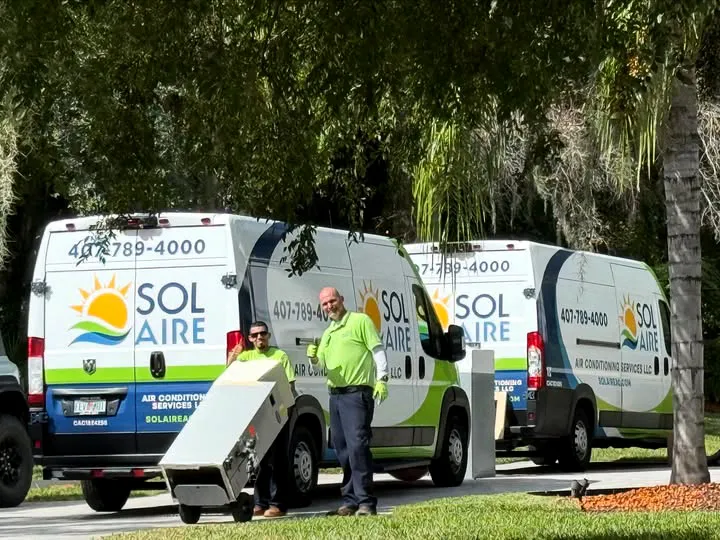
Certifications matter because they prove a company has met the standards of the manufacturers whose equipment powers your home. We are proud to be a Daikin Pro, Mitsubishi Diamond, and Navien certified dealer, which reflects advanced training on the systems we sell and service. That expertise means we understand exactly how these units are engineered to handle weather and how to protect them during severe storms. When we recommend a preparation step or a repair, it comes from factory backed knowledge, not guesswork. Homeowners benefit from installations and service that meet the highest standards in the trade. Certified expertise turns storm season stress into confidence.
As a licensed and insured HVAC contractor in Florida, we operate with the accountability and protection that homeowners deserve. Licensing confirms that we meet state requirements for training, safety, and code compliance on every job. Insurance protects you and your property throughout any work we perform on your system. These credentials are not just paperwork; they are your assurance that the people working on your air conditioner are qualified and responsible. Storm related electrical and mechanical work is no place for shortcuts or unlicensed labor. Working with a properly credentialed team keeps both your home and your investment safe.
Our commitment to ethical, straightforward service guides every recommendation we make about your equipment. We will never push you to cover a unit that should not be covered or sell you protection you do not need. Instead, we explain what actually threatens your system and what genuinely protects it, so your decisions are informed and sound. That honesty is why so many local homeowners return to us season after season. Good advice and old fashioned customer service never go out of style. When you want the truth about protecting your air conditioner, we are the team to call.
Why Choose Sol Aire Air Conditioning For Your Outdoor AC Unit During A Storm
Sol Aire Air Conditioning has built its reputation on doing right by the customer, and that principle shapes everything from storm prep to major repairs. We combine over fifty years of collective industry experience with the certifications and licensing that back up our work on every visit. Our background checked technicians arrive on time, communicate clearly, and treat your home the way they would treat their own. Free estimates and honest recommendations mean you always know where you stand before spending a dollar. That blend of expertise and integrity is what sets us apart in a crowded field.
We understand the demands of Florida storm season better than most, because we live and work in these communities right alongside you. From Sanford to the surrounding towns, we help homeowners protect their air conditioning systems from flooding, surges, and debris every single season. Financing options keep essential protection and repairs within reach, so you never have to choose between comfort and your budget. Our old fashioned customer service means real conversations and real answers, not runaround or upsells. Serving your neighborhood with reliability is a responsibility we take seriously.
When storm season threatens your comfort, the right HVAC partner makes all the difference between stress and confidence. Reach out to schedule seasonal preparation, add surge protection, or get a fast inspection after any storm event. Call us at (407) 789-4000 or email service@solaireac.com to protect your system the right way. Our team is ready to keep your home cool and your equipment safe through every storm the season brings. Choose Sol Aire Air Conditioning and face storm season with a team you can trust.