
Why Your AC Is Making A Loud Buzzing Or Humming Noise
A loud buzzing or humming noise from your air conditioner is one of the most common complaints homeowners report during the hot Florida cooling season. Some sounds point to a minor issue you can solve in a few minutes, while others signal a serious electrical or mechanical fault that needs fast attention. The location of the noise matters a great deal; a hum from the outdoor condenser unit usually means something different than a buzz coming from the indoor air handler. Many of these sounds trace back to electrical components, worn motors, loose hardware, or a struggling compressor. The good news is that most causes are well understood and very repairable when you catch them early. This guide walks through the real reasons your AC buzzes or hums, what each sound usually means, and the safe way to respond. By the end, you will know which problems you can inspect yourself and which ones call for a licensed technician. Acting quickly protects your comfort, your energy bills, and the long term health of your system.
Common Causes Of A Loud Buzzing Or Humming Noise In Your AC
An air conditioner contains dozens of moving and electrical parts, and a buzzing or humming noise can come from almost any of them. The most frequent sources are electrical components, failing capacitors, loose panels, and debris caught in the fan. Each of these produces a slightly different sound, and learning to tell them apart helps you describe the problem accurately. A steady electrical hum often points to a contactor or relay, while a rhythmic buzz can mean a loose screw or panel vibrating against the cabinet. A loud hum that ends with the system shutting off frequently signals a capacitor or compressor fault. Understanding the common causes gives you a strong starting point before any repair begins. The sections below break down the three problems we see most often in Central Florida homes.
Electrical Problems That Cause A Loud AC Buzzing Or Humming Noise
Electrical problems are among the leading reasons an air conditioner produces a loud buzzing or humming noise. The contactor is a small switch that sends power to the compressor and the outdoor fan motor every time your thermostat calls for cooling. Over time the metal contacts inside the contactor become pitted and burned, and the coil that holds it closed can weaken. When that happens, the contactor often chatters or hums loudly as it struggles to make a clean connection. This buzzing usually comes from the outdoor condenser unit and may grow louder over several weeks. A failing contactor can also cause the system to short cycle, turning on and off in rapid bursts. Because the contactor carries high voltage, this repair belongs to a trained technician rather than a homeowner. Ignoring the noise can lead to a complete loss of cooling on the hottest day of the year.
Loose or damaged wiring is another electrical culprit behind a buzzing air conditioner. Vibration from normal operation can slowly loosen wire connections at the contactor, capacitor, or control board. A loose connection creates resistance, and that resistance can produce a faint buzzing sound along with heat. In serious cases the connection arcs, which sounds like a sharp electrical crackle and presents a real fire risk. Rodents and insects also chew or nest near outdoor wiring in Florida, adding another source of damage. Any burning smell paired with the buzzing means you should shut the system off at the breaker right away. Electrical faults rarely fix themselves and almost always worsen with continued use. A licensed technician can tighten, repair, or replace the affected wiring safely.
The transformer and the relays inside your air handler can also generate a humming noise. A transformer steps household voltage down to the low voltage your thermostat and controls use, and a failing one often emits a steady electrical hum. Relays act like small contactors for the indoor blower and other parts, and worn relays buzz in much the same way. Because these components sit inside the cabinet near live wiring, they are not safe to inspect without proper training and tools. A multimeter reading taken by a technician quickly confirms which part has failed. Replacing a transformer or relay is usually a fast and affordable repair when caught early. Putting it off risks damage to more expensive parts down the line. If you suspect an electrical issue, professional diagnosis is the smart and safe choice.
Failing Capacitors Behind A Loud AC Buzzing Or Humming Noise
A failing capacitor is one of the single most common reasons an air conditioner hums loudly. Capacitors store an electrical charge and give the compressor and fan motors the strong jolt they need to start spinning. When a capacitor weakens, the motor receives too little power and strains to start, which creates a distinct low humming sound. You may notice the outdoor unit hum for several seconds without the fan turning, then shut off. Florida heat is especially hard on capacitors, since high temperatures shorten their lifespan considerably. A bulging or leaking capacitor is a clear sign the part has failed and needs replacement. This is a frequent service call during summer, and the fix is usually quick for a trained technician. Left alone, a bad capacitor forces the compressor to overheat and can destroy it.
There are typically two capacitors involved in a residential cooling system, and either can cause a humming noise when it fails. The run capacitor keeps the motor turning smoothly during normal operation, while the start capacitor delivers the initial burst of energy. A weak run capacitor often produces a humming sound combined with reduced cooling and higher energy use. A failed start capacitor leaves the compressor humming as it tries and fails to begin its cycle. Both parts handle stored electrical energy that can deliver a dangerous shock even after the power is off. For that reason, capacitor testing and replacement should always be performed by a qualified professional. The correct capacitor must match the exact specifications of your motor. Using the wrong rating can damage the equipment and shorten its life.
Catching a failing capacitor early prevents a much larger and costlier repair. A compressor is the heart of your air conditioner and the most expensive component to replace. Every time a weak capacitor forces the compressor to strain, it adds wear and heat to that critical part. Many compressor failures trace directly back to a cheap capacitor that was never replaced in time. Routine maintenance includes testing the capacitors so a technician can swap a weak one before it fails completely. If your unit hums and refuses to start, turning it off and calling for service protects the compressor from further damage. Need fast air conditioning repair? Click here for our air conditioning service. A quick visit often saves you from a major repair bill later.
Loose Parts And Debris Causing A Loud AC Buzzing Or Humming Noise
Not every buzzing noise comes from an electrical fault; sometimes the cause is purely mechanical. Air conditioners vibrate constantly during operation, and that vibration can slowly loosen screws, bolts, and access panels. A loose panel rattling against the metal cabinet often produces a buzzing sound that rises and falls with the unit. Tightening the hardware sometimes solves the problem completely, though the source can be tricky to locate. Mounting feet and brackets can also wear out and let the whole unit vibrate more than it should. A buzzing that changes when you gently press on a panel usually confirms a loose component. This kind of issue is common and rarely dangerous, yet it should still be checked. Letting parts stay loose can lead to further damage over time.
Debris caught in the outdoor fan is another mechanical source of buzzing and humming. Leaves, twigs, grass clippings, and small stones easily find their way into the condenser unit between mowing and storms. When a fan blade strikes this debris, it creates a buzzing or knocking sound and can bend the blade. A bent or unbalanced fan blade then vibrates and hums every time the unit runs. Florida yards generate a steady supply of this kind of debris during the growing season. Clearing the area around the outdoor unit and rinsing the coil helps prevent the problem. Always shut off power at the disconnect before removing anything near the fan. If a blade is bent or damaged, a technician should replace it to keep the fan balanced.
Worn fan motor bearings can turn a quiet system into a humming or grinding machine. The bearings allow the motor shaft to spin freely, and they wear down after years of constant use. As they fail, the motor strains to turn and produces a low humming or rumbling noise. Dust, heat, and a lack of lubrication speed up this wear in the Florida climate. A motor on its way out often runs hotter than normal and may smell faintly of burning. Catching a worn motor early lets a technician replace just the motor rather than the entire fan assembly. Want to keep your system running quietly all summer? Click here to learn about our air conditioning service. Regular maintenance is the best way to spot worn bearings before they fail.
How To Diagnose And Fix A Loud Buzzing Or Humming Noise From Your AC
Figuring out the source of a buzzing or humming noise starts with careful observation and a few safe checks. The sound itself tells you a great deal once you know what to listen for and where the noise originates. A homeowner can safely handle a few basic steps, such as clearing debris and listening for the pattern of the sound. Anything involving live electrical parts, refrigerant, or the compressor should be left to a trained professional. The goal is to gather enough information to describe the problem clearly and decide on the right next step. The sections below explain how to diagnose the noise safely and when to bring in expert help.
Safe Steps To Check A Loud Buzzing Or Humming Noise From Your AC
The first safe step when you hear a buzzing or humming noise is to identify where it is coming from. Walk to the outdoor condenser unit and listen, then check the indoor air handler and compare the two sounds. A hum from the outdoor unit often points to the contactor, capacitor, or compressor, while an indoor buzz can mean a relay or blower issue. Note when the noise happens, since a hum only at startup suggests something different than a constant buzz. Pay attention to any change in cooling performance that occurs alongside the sound. Write down what you observe so you can describe it accurately to a technician. These simple observations cost nothing and speed up the diagnosis. They also help you decide how urgent the problem really is.
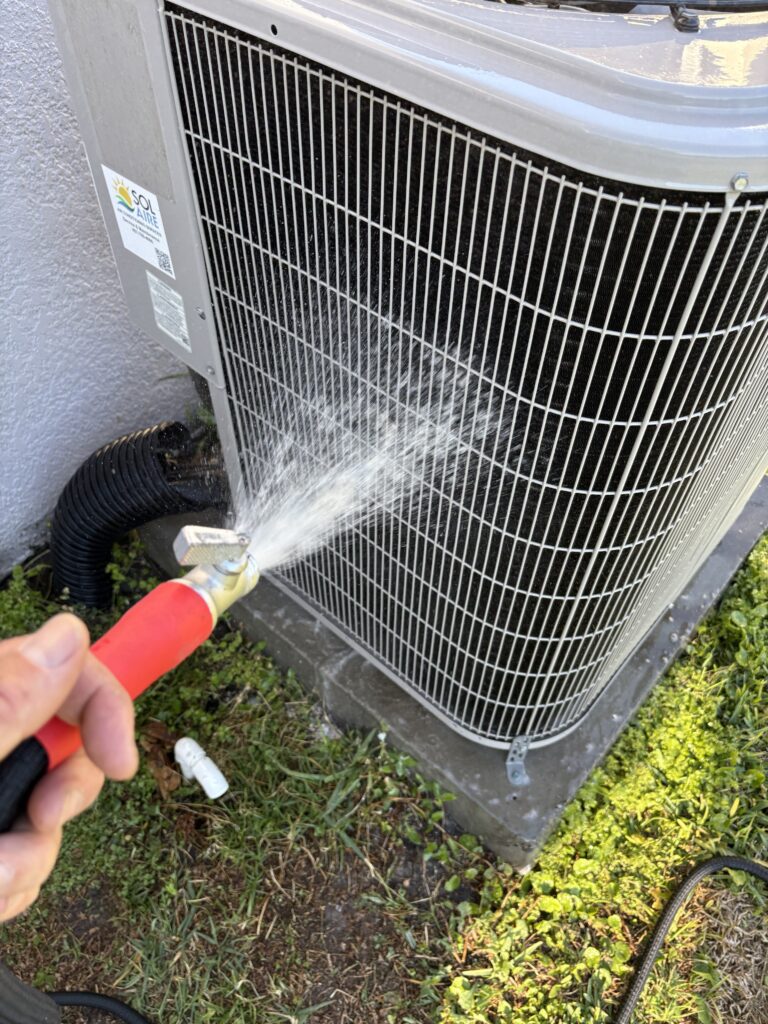
The next safe step is to clear away anything that could be causing a mechanical buzz. Turn off the power to the outdoor unit at the disconnect box before touching anything near the fan. Remove leaves, sticks, and grass from the top and sides of the condenser, and gently rinse the outer coil with a garden hose. Check that the access panels are seated properly and that no obvious screws have backed out. Inside the home, replace a dirty air filter, since restricted airflow can make the blower work harder and hum. A clean filter and a clear outdoor unit solve a surprising number of noise complaints. None of these steps involve electrical parts, so they are safe for a careful homeowner. If the buzzing continues after these checks, the cause is likely internal.
Knowing what not to touch is just as important as knowing what to check. Never open the electrical panel on the condenser unit or air handler unless you are a trained technician. Capacitors hold a dangerous charge even after the power is shut off and can cause a serious shock. Refrigerant lines operate under high pressure and require certification to service safely and legally. Do not attempt to bend a fan blade back into shape, since balance is critical to safe operation. Avoid spraying water directly into any electrical component while cleaning the unit. When a buzzing noise involves any of these areas, stop and call a professional. Respecting these limits keeps you safe and protects your equipment from further harm.
When A Compressor Creates A Loud Buzzing Or Humming Noise From Your AC
The compressor is the part that makes a loud humming noise most likely to worry a homeowner. It pumps refrigerant through the system and works under enormous pressure every time the unit runs. A healthy compressor produces a steady, low hum that blends into the background of normal operation. A loud or labored hum, especially at startup, can mean the compressor is struggling to begin its cycle. This often ties back to a failing capacitor or a hard start condition that prevents the motor from turning. A compressor that hums and then trips the breaker needs immediate professional attention. Continuing to run a struggling compressor risks permanent and expensive damage. The smart move is to shut the system down and schedule service.
A compressor that hums but will not start is a classic sign of a hard start problem. The motor draws a heavy current trying to overcome internal resistance, and that strain creates the loud hum you hear. A weak capacitor is the most common reason, and replacing it often restores normal operation. In some cases a technician installs a hard start kit to give the compressor an extra boost during startup. Internal mechanical wear inside the compressor can also produce humming and rattling sounds. When the internal components fail, the compressor usually needs to be replaced entirely. Because the compressor is sealed and pressurized, only a certified technician can diagnose and repair it. Acting quickly often means the difference between a small part replacement and a major repair.
The age and overall condition of your system influence how a compressor noise should be handled. A compressor humming on a unit that is well past a decade old may signal that the equipment is nearing the end of its life. A technician weighs the cost of repair against the value of the aging system before recommending a path forward. Low refrigerant from a leak can also overwork the compressor and lead to unusual sounds, so the charge should always be checked. Florida systems run far more hours each year than units in cooler states, which adds wear faster. Honest advice at this stage saves you from spending money on a unit that cannot be saved. A trustworthy technician explains your options clearly and lets you decide. That kind of guidance is exactly what protects your wallet and your comfort.
When To Call A Professional For A Loud Buzzing Or Humming Noise From Your AC
Certain buzzing and humming noises are a clear signal to call a professional without delay. Any sound paired with a burning smell, smoke, or a tripped breaker points to an electrical hazard. A unit that hums but fails to start, or one that shuts itself off repeatedly, needs expert diagnosis. These symptoms usually involve high voltage, refrigerant, or the compressor, all of which require training and tools to service. Attempting these repairs without certification is dangerous and can void your manufacturer warranty. A licensed technician carries the meters and gauges needed to pinpoint the fault quickly. Calling early often turns a major repair into a minor one. There is no reason to gamble with your safety or your equipment.
A professional diagnosis brings clarity that guesswork simply cannot match. A trained technician measures voltage, capacitance, refrigerant pressure, and motor performance to find the true source of the noise. This precise approach prevents you from replacing parts that were never the problem. It also uncovers related issues, such as a weak capacitor straining a compressor, before they cause a breakdown. The technician then explains the findings in plain language so you understand what is happening. You receive a clear recommendation along with honest pricing before any work begins. This kind of transparent service builds the trust that good companies are known for. In the end, professional diagnosis saves both time and money.
In the Florida heat, a broken air conditioner quickly becomes a health and comfort emergency. Indoor temperatures climb fast when cooling stops, and that puts stress on children, seniors, and pets. A buzzing noise is often the only warning you get before a complete breakdown. Responding to that warning right away can keep your system running through the hottest months. A professional repair restores quiet, efficient cooling and gives you peace of mind. Want reliable air conditioning service you can count on? Click here for our air conditioning service. Acting on the first sign of trouble is always the wiser choice.
Why You Need Professional AC Repair For A Loud Buzzing Or Humming Noise
A loud buzzing or humming noise is your air conditioner asking for help, and professional repair is the right response. Many of these problems involve electrical components, refrigerant, or the compressor, none of which are safe for a homeowner to service. A skilled technician finds the exact cause, fixes it correctly the first time, and protects the rest of your system. Professional repair also keeps your warranty intact and your energy bills in check. Choosing an experienced local company makes the entire process faster and far less stressful. The following sections explain why expert repair matters and why so many Central Florida homeowners trust Sol Aire Air Conditioning.
Protect Your System By Fixing A Loud Buzzing Or Humming Noise Early
Fixing a buzzing or humming noise early is the best way to protect your entire cooling system. Small electrical faults and weak capacitors put extra strain on the compressor, which is the costliest part to replace. Catching a problem at the noise stage often means a quick, affordable repair instead of a major one. A technician who addresses the root cause prevents that one fault from cascading into several. Early action keeps your air conditioner running the way the manufacturer intended. It is always cheaper to fix a small issue than to replace a damaged compressor.
Ignoring a buzzing noise rarely ends well for your equipment or your budget. A failing part that keeps running can damage the components around it over time. What starts as a simple capacitor replacement can grow into a full compressor failure if left alone. Continued strain also drives up your energy use, since a struggling system works harder to cool your home. Each extra week of operation with a fault adds wear that you cannot undo. Prompt repair stops that downward spiral before it costs you serious money.
Regular maintenance works hand in hand with early repair to keep your system healthy. During a tune up, a technician tests capacitors, tightens electrical connections, and clears debris before any of them cause a noise. This proactive care catches the very problems that lead to buzzing and humming in the first place. A maintained system runs quieter, lasts longer, and uses less energy throughout the Florida summer. Many noise complaints never happen at all on a unit that receives routine service. Pairing fast repair with regular maintenance gives you the most reliable cooling possible.
Save Money By Addressing A Loud Buzzing Or Humming Noise Quickly
Addressing a buzzing or humming noise quickly saves you money in several ways. The most obvious savings come from avoiding a major repair, since a small fault caught early costs far less to fix. A healthy system also runs more efficiently, which keeps your monthly energy bills lower. A struggling motor or weak capacitor forces the unit to draw more power for less cooling. Stopping that waste puts money back in your pocket every month. Quick action protects both the repair bill and the utility bill at the same time.
Energy efficiency is a real and lasting benefit of prompt air conditioner repair. A unit running with a worn motor or a failing capacitor uses more electricity than a healthy one. In the long Florida cooling season, that extra usage adds up to a noticeable amount over the year. Restoring the system to proper operation brings your energy use back down to where it belongs. Lower bills month after month help offset the cost of the repair itself. Efficient cooling is comfortable cooling, and it costs less to run.
Cost should never be the reason a homeowner delays a needed repair. Sol Aire Air Conditioning offers financing options to help spread the cost of a larger service over time. Free estimates with honest, no pressure recommendations mean you always know the price before any work starts. You receive clear choices and the information you need to make the right decision for your home. This approach removes the guesswork and the worry from the repair process. Affordable, transparent service makes it easy to fix a problem the moment you hear it.
Why Choose Sol Aire Air Conditioning For A Loud Buzzing Or Humming Noise
Sol Aire Air Conditioning is the trusted choice for diagnosing and fixing a loud buzzing or humming noise in Central Florida. Our team brings over fifty years of combined industry experience to every service call. We are a licensed and insured HVAC contractor in Florida, so your home and your equipment are always in safe hands. Every technician is background checked for your peace of mind. We deliver old fashioned customer service with clear communication from start to finish. That combination of skill and honesty is why so many neighbors call us first.
Our credentials set us apart when it comes to quality repair work. We are a Daikin Pro, Mitsubishi Diamond, and Navien Certified Dealer, which reflects a high standard of training and trust. That certification means we know your equipment inside and out and follow manufacturer approved procedures. Our free estimates come with honest, no pressure recommendations, so you never feel rushed into a decision. We treat your home with respect and explain every step of the repair in plain language. You always know what we found, what it costs, and why the work matters.
When your air conditioner buzzes or hums, the team at Sol Aire Air Conditioning is ready to help. We proudly serve Sanford and the surrounding Central Florida communities with fast, reliable service. Our financing options and free estimates make professional repair accessible for every household. You can reach us by phone at (407) 789-4000 or by email at service@solaireac.com. Let our experienced technicians restore the quiet, efficient cooling your home deserves. Call Sol Aire Air Conditioning today and put that buzzing noise behind you for good.