
How To Improve Indoor Air Quality In Humid Climates
Florida homes face a moisture problem that never really takes a break. The warm air outside holds a large amount of water, and that water finds its way indoors through doors, windows, and everyday activities like cooking and showering. High indoor humidity feeds mold growth, dust mites, and that musty smell many homeowners notice during the wet season. Poor indoor air quality can trigger allergies, aggravate asthma, and leave your house feeling sticky even when the thermostat reads a comfortable number. The good news is that you can take real control over the air inside your home. A properly sized cooling system, smart filtration, and clean ductwork all work together to keep moisture in check. This guide breaks down the steps that make the biggest difference in a humid climate. By the end, you will know exactly what to fix, what to upgrade, and when to call a professional for help.
Why High Humidity Hurts Indoor Air Quality In Humid Climates
Humidity is the hidden force behind most air quality complaints in warm regions. When the moisture level inside your home climbs above 60 percent, the environment turns into a comfortable home for allergens and microbes. Building experts recommend keeping indoor relative humidity between 30 and 50 percent for healthy air. Reaching that target takes more than a standard thermostat setting, especially during the long Florida summer. Your cooling system, your ductwork, and your ventilation habits all play a part. Understanding the connection between water in the air and the air you breathe is the first step toward a lasting fix.
How Humidity Affects Indoor Air Quality In Humid Climates
Warm air holds far more water than cool air, and that simple fact drives nearly every humidity issue in a Florida home. As outdoor temperatures rise through the summer, the surrounding air becomes loaded with moisture that pushes indoors through small gaps around windows, doors, and exterior walls. Daily routines add even more water to the mix, since cooking, bathing, and laundry each release steam into your living space. When that moisture has nowhere to go, it settles into carpets, drywall, insulation, and the cool surfaces near your air vents. Over time, damp materials become the ideal breeding ground for mold spores and bacteria. The air quality inside your home suffers long before you ever see a visible stain. This is why humidity control matters just as much as temperature control in a humid climate.
Relative humidity measures how much water the air is holding compared to the maximum it could hold at that temperature. A reading above 60 percent signals that your home is carrying too much moisture and that conditions favor mold and dust mites. A reading below 30 percent can dry out your sinuses and irritate your skin, though that is a rare problem in Florida. The sweet spot sits between 30 and 50 percent, which keeps allergens under control while staying comfortable for your family. Your air conditioning system naturally removes some humidity as it cools, but it cannot always keep pace during the wettest months. A dedicated humidity strategy fills the gap that cooling alone leaves behind. That strategy protects both your health and the structure of your home.
Condensation is one of the clearest warning signs that indoor humidity has climbed too high. You might notice foggy windows in the morning, damp spots on interior walls, or beads of water forming near supply vents. These wet surfaces give mold everything it needs to spread, and the growth often starts in hidden areas you rarely inspect. Persistent moisture can also warp wood flooring, peel paint, and rust metal fixtures around the house. Left unchecked, the damage grows expensive and the air grows increasingly unhealthy. Catching high humidity early saves you money and keeps the air in your home safe to breathe. A trained technician can measure moisture levels and pinpoint the source of the problem quickly.
Common Indoor Air Quality Problems In Humid Climates
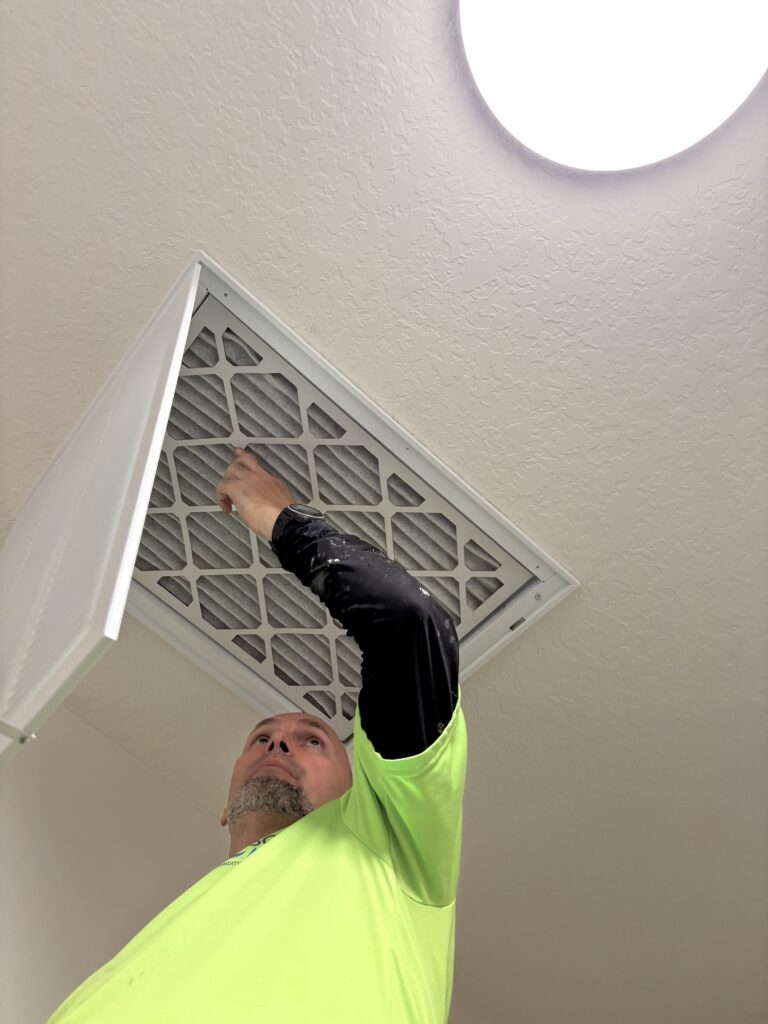
Mold and mildew top the list of air quality problems that plague humid homes. These fungi thrive in damp, dark conditions and release tiny spores that travel through your ductwork and settle throughout the house. Many homeowners first notice a musty, earthy odor before they ever spot visible growth. The spores can trigger sneezing, coughing, watery eyes, and worsen conditions like asthma for sensitive family members. Bathrooms, laundry rooms, and areas near the air handler are the usual hotspots. Because mold spreads fast in warm and wet conditions, quick action makes a real difference. Controlling humidity is the single most effective way to stop mold before it starts.
Dust mites are another common troublemaker that flourish when the air stays moist. These microscopic pests feed on skin flakes and settle deep into bedding, upholstery, and carpet fibers. They cannot survive well in dry air, but a humid Florida home gives them everything they need to multiply. Their waste particles become airborne allergens that circulate every time your cooling system runs. People with allergies often feel worse indoors during humid stretches, which points straight to a dust mite problem. Lowering the moisture level in your home shrinks the mite population naturally. Regular cleaning and strong filtration finish the job.
Stale, stagnant air rounds out the list of humid climate complaints. Modern homes are built tight to save energy, which is great for your power bill but poor for fresh airflow. Without steady ventilation, indoor pollutants build up alongside the trapped moisture. Cooking fumes, cleaning chemicals, pet dander, and carbon dioxide all accumulate when air has no way to cycle out. That trapped mixture makes the air feel heavy and can leave you tired or foggy headed indoors. Proper ventilation replaces stale indoor air with filtered fresh air while managing the humidity that comes with it. Balancing airflow and moisture is the key to breaking this cycle.
Health Effects Of Poor Indoor Air Quality In Humid Climates
Poor indoor air quality affects your respiratory system first and most noticeably. Mold spores, dust mite waste, and other airborne particles irritate the lining of your nose, throat, and lungs. For people with asthma, breathing this air can trigger tightness, wheezing, and more frequent flare ups. Allergy sufferers often deal with congestion, sneezing, and itchy eyes that never seem to fully clear up. Children and older adults tend to feel these effects more strongly because their bodies are more sensitive to airborne irritants. Reducing indoor humidity and filtering the air cuts down on these particles significantly. Clean, dry air lets everyone in the home breathe easier.
Long term exposure to damp, moldy air carries risks that go beyond seasonal sniffles. Studies have linked ongoing mold exposure to chronic sinus infections, persistent coughs, and a weakened defense against respiratory illness. Some strains of mold produce compounds that can cause headaches and fatigue in sensitive individuals. Families sometimes spend months feeling run down without realizing the air in their home is the cause. Because the symptoms build slowly, the connection is easy to miss. A professional air quality assessment can reveal problems you would otherwise overlook. Fixing the moisture source often brings relief that no amount of medicine could deliver.
Comfort and sleep quality also take a hit when humidity runs high. Sticky, heavy air makes it hard for your body to cool itself, so you feel warmer than the actual temperature suggests. That discomfort disrupts sleep and leaves you dragging through the next day. High moisture can also promote a stuffy, congested feeling that lingers each morning. Beyond the physical toll, a musty smelling home simply feels less inviting and harder to relax in. Bringing humidity into the healthy range restores that fresh, comfortable feeling. Your home should be a place where you rest well and breathe freely, and clean air makes that possible.
The Best Ways To Improve Indoor Air Quality In Humid Climates
Fixing humid air takes a layered approach that attacks moisture, filters particles, and keeps fresh air moving. No single device solves every problem, so the strongest results come from combining several proven methods. Your air conditioning system does the heavy lifting on both cooling and dehumidification. Filtration and ventilation upgrades handle the particles and stale air that cooling alone leaves behind. Clean ductwork ties the whole system together and keeps contaminants from spreading. The sections below walk through each method and explain how they fit into a complete plan for your home.
Using Your Air Conditioning To Improve Indoor Air Quality In Humid Climates
Your air conditioner is your first and most powerful tool against indoor humidity. As warm air passes over the cold evaporator coil, water vapor condenses on the coil and drains away from your home. This process removes a large amount of moisture every time the system runs during a Florida summer. A properly sized unit strikes the right balance between cooling the air and pulling water out of it. Systems that are too large cool the room quickly and then shut off before removing enough moisture, a pattern called short cycling. Right sizing your equipment is one of the most overlooked steps in humidity control. A qualified technician can measure your home and recommend the correct capacity for your space.
Variable speed and multi stage systems handle humidity far better than older single stage units. These modern systems run longer at lower speeds, which gives the coil more time to wring moisture out of the air. The result is steady comfort and a much drier indoor environment during the wet season. Pairing the right equipment with a whole home dehumidifier gives you precise control when the outdoor air is especially soggy. A whole home dehumidifier connects to your existing ductwork and lowers moisture across every room at once. This combination keeps your home in the healthy 30 to 50 percent range even on the most humid days. Upgrading your equipment pays off in both comfort and air quality.
Routine maintenance keeps your cooling system working at its dehumidifying best. A dirty coil, a clogged filter, or a blocked condensate drain all reduce how much moisture your system can remove. Over a season, small issues add up and leave your home feeling damp even while the air conditioner runs. A yearly tune up clears these problems and restores full performance before summer peaks. Need help controlling humidity with your cooling system? Click here for our air conditioning service. A well maintained system protects your air quality and lowers your energy bills at the same time. That is a return on investment worth scheduling every year.
Air Filtration And Ventilation For Indoor Air Quality In Humid Climates
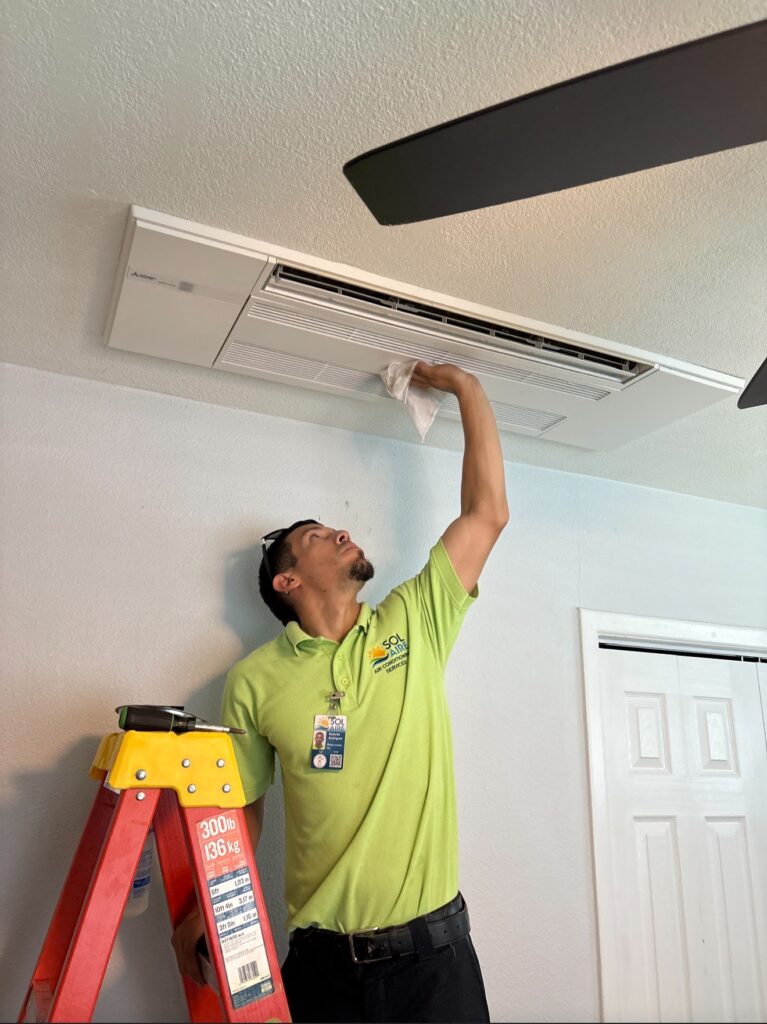
Strong filtration captures the particles that make humid air feel heavy and unhealthy. The filter in your HVAC system carries a MERV rating, which measures how well it traps dust, pollen, mold spores, and other tiny particles. A higher MERV number means finer filtration, though very high ratings can strain some systems if the equipment is not designed for them. A technician can recommend the highest rating your system handles safely without restricting airflow. Upgrading from a basic fiberglass filter to a quality pleated filter makes an immediate difference in the air you breathe. Changing that filter on schedule keeps it working at full strength. Fresh filters and clean air go hand in hand.
Whole home air purifiers and UV systems add another layer of protection against humid climate contaminants. UV lights installed near the coil kill mold and bacteria before they can grow on the wet surface or spread through your ducts. This is a smart addition in Florida, where the damp coil is a prime spot for microbial growth. Advanced air purifiers trap or neutralize particles that slip past a standard filter, including some viruses and fine allergens. These systems work quietly in the background and require little upkeep once installed. For families dealing with allergies or asthma, the improvement in daily comfort is often dramatic. Cleaner air supports better sleep and fewer sick days.
Ventilation replaces stale indoor air with fresh outdoor air while managing the moisture that comes along with it. An energy recovery ventilator, often called an ERV, brings in fresh air and transfers heat and humidity away from the incoming stream. This means you get fresh air without dumping a wave of Florida moisture into your home. Good ventilation also flushes out cooking fumes, cleaning chemicals, and carbon dioxide that build up in a tightly sealed house. Bathroom and kitchen exhaust fans support this effort by removing steam right at the source. Running those fans during and after showers or cooking keeps moisture from spreading. A balanced ventilation plan keeps your air fresh without wasting energy.
Air Duct Care For Better Indoor Air Quality In Humid Climates
Your ductwork is the highway that carries conditioned air to every room, and dirty ducts spread contaminants everywhere. Over the years, dust, pollen, and mold spores collect on the inner walls of the duct system. In a humid climate, moisture can turn that buildup into a source of mold that pushes spores through your vents each time the system runs. You might notice more dust settling on furniture or a musty smell when the air kicks on. Cleaning the ducts removes this hidden reservoir of contaminants and gives your air a fresh start. Want cleaner air moving through your home? Click here for our air duct service. Clean ducts mean cleaner air in every room of the house.
Leaky ducts create a serious humidity problem that many homeowners never see. When ducts run through hot, damp attics or crawl spaces, gaps and cracks let unconditioned air seep into the system. That leaking air drags outdoor moisture straight into your home and forces your cooling system to work harder. The result is higher humidity, higher energy bills, and uneven comfort from room to room. Sealing those leaks keeps the moist attic air where it belongs and holds your conditioned air inside the ducts. Proper sealing can noticeably lower the humidity in your living space. It is one of the smartest upgrades for a home in a warm, wet climate.
Proper insulation on your ductwork prevents condensation and protects your air quality over the long run. When cold conditioned air travels through ducts surrounded by hot humid air, moisture can form on the outside of the ducts. That condensation drips onto insulation, drywall, and framing, where it invites mold growth and slow structural damage. Wrapping the ducts in quality insulation keeps the surface temperature stable and stops condensation before it starts. This upgrade works quietly alongside your cooling system to keep moisture under control. A technician can inspect your ducts, seal the leaks, and add insulation where it is missing. Together, these steps turn your duct system into a partner in clean, dry air rather than a source of trouble.
Why You Need A Professional To Improve Indoor Air Quality In Humid Climates
Improving indoor air quality in a humid climate involves more moving parts than most homeowners can tackle alone. Measuring humidity, sizing equipment, sealing ducts, and choosing the right filtration all require training and the proper tools. A professional ties every piece together into one plan built for your specific home and family. Small mistakes, like an oversized unit or an unsealed duct, can undo the benefit of every other upgrade. Working with an experienced HVAC team saves you time, money, and frustration. The team at Sol Aire Air Conditioning has the knowledge and equipment to get the job done right the first time.
When To Schedule An Indoor Air Quality Inspection In Humid Climates
The best time to schedule an air quality inspection is before the peak of summer arrives. Florida humidity climbs steadily through the warm months, so getting ahead of the season keeps your home comfortable when the moisture is worst. If you notice musty smells, foggy windows, or worsening allergies, that is a clear sign to book an inspection right away. Homes that have never had an air quality assessment often carry hidden problems in the ducts or around the coil. An early inspection catches these issues before they turn into expensive repairs. Scheduling ahead also means you avoid the rush when everyone else is calling for help.
New homeowners should put an air quality inspection near the top of their list. You cannot always tell how well a previous owner maintained the HVAC system just by looking at it. A trained technician checks the humidity levels, inspects the ductwork, and tests the equipment for proper operation. This gives you a clear picture of what you inherited and what may need attention. Knowing the true condition of your system helps you plan and budget with confidence. Ready to manage humidity automatically with better controls? Click here for our thermostat service. A smart thermostat with humidity sensing puts real control at your fingertips.
Recurring health complaints are one more reason to schedule an inspection without delay. If someone in your home battles constant congestion, coughing, or fatigue that eases when they leave the house, the indoor air may be the culprit. An inspection can reveal mold, high humidity, or contaminated ducts that a doctor cannot diagnose. Fixing the root cause often brings relief that lasts far longer than any temporary remedy. The sooner you identify the problem, the sooner your family feels better. A professional assessment turns guesswork into a clear plan of action.
What Our Indoor Air Quality Services Include In Humid Climates
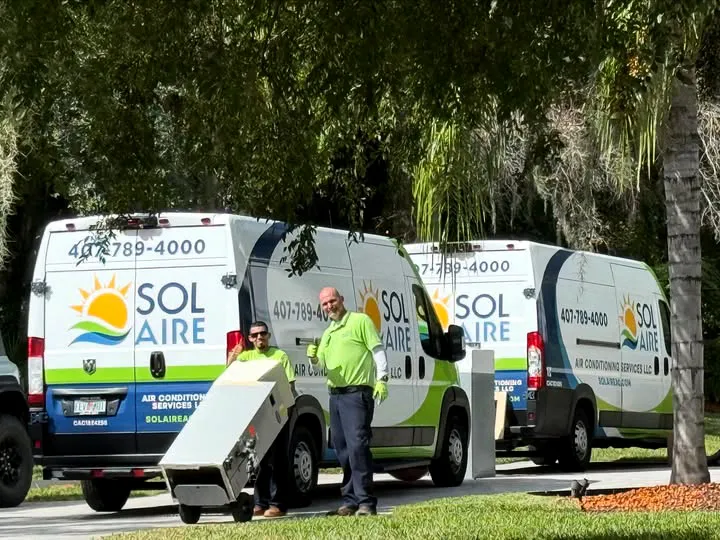
Our indoor air quality services begin with a thorough assessment of your home and its systems. We measure humidity levels in each area, inspect your ductwork, and evaluate how well your cooling equipment removes moisture. This gives us a complete picture of what is driving your air quality concerns. From there, we build a plan that targets the real problems rather than guessing at quick fixes. You receive honest, no pressure recommendations that fit your home and your budget. Our free estimates make it easy to understand your options before you commit to anything.
We offer a full range of solutions to bring your air into the healthy range and keep it there. Our team installs and services high efficiency cooling systems, whole home dehumidifiers, and advanced filtration for humid climates. We clean, seal, and insulate ductwork to stop moisture and contaminants at the source. UV coil systems and whole home air purifiers add extra protection against mold and airborne particles. Every solution is matched to your home so you get results that last. Our technicians explain each step in clear language so you always know what you are paying for.
Ongoing maintenance keeps your air quality strong season after season. A single visit fixes the current problem, but regular tune ups prevent new issues from taking hold. We check your filters, clean your coils, clear your condensate drains, and verify that your humidity stays in the safe range. This steady care protects your investment and keeps your energy bills in check. Our maintenance plans take the worry out of caring for your system. With Sol Aire handling the details, you can simply enjoy clean, comfortable air.
Why Choose Sol Aire Air Conditioning For Indoor Air Quality In Humid Climates
Sol Aire Air Conditioning brings over 50 years of combined industry experience to every home we serve. As a licensed and insured HVAC contractor in Florida, we know exactly what humid climate homes need to stay healthy and comfortable. Our team holds top certifications as a Daikin Pro, Mitsubishi Diamond, and Navien Certified Dealer, which means we install and service the best equipment in the business. That depth of training shows up in the quality of our work and the results you feel in your air. We treat your home with the same care we would give our own. Experience and expertise make all the difference in a lasting fix.
We built our reputation on old fashioned customer service and clear communication. Every technician on our team is background checked for your peace of mind, so you can trust the person entering your home. We offer free estimates with honest, no pressure recommendations, because we want you to make the choice that is right for your family. Financing options are available to help you handle your next HVAC service without stress. When you call us, you reach real people who care about solving your problem. That personal touch keeps our customers coming back year after year.
Choosing Sol Aire means choosing a partner who stands behind the work. We serve Sanford, Oviedo, Lake Mary, Winter Springs, and communities across the region with reliable, professional HVAC care. Our goal is to keep your air clean, your home comfortable, and your system running strong for years to come. Reach out today at (407) 789-4000 or email service@solaireac.com to schedule your indoor air quality service. Let our team show you how comfortable a humid climate home can truly feel. Breathe easier with Sol Aire Air Conditioning on your side.