
How To Cool A Room That Never Gets Cold Enough
One room in your home stays warm while the rest of the house feels comfortable, and that gap can make a Florida summer feel miserable. A room that never gets cold enough usually points to one specific problem rather than a system that has failed across the board. The cause might be a clogged filter, a leaking duct, a register that someone closed months ago, or a cooling unit that simply cannot keep pace with the heat load in that space. Direct sunlight through large windows, thin insulation, and a long distance from the air handler all add to the struggle. The encouraging part is that most of these issues have clear fixes that range from quick steps you can do today to professional repairs that solve the problem for good. Understanding the true cause saves you money and stops you from replacing a system you may not need to replace. This guide walks through the common reasons a room stays warm and the proven steps that bring it back to a comfortable temperature. By the end, you will know what to check first and exactly when to call a licensed HVAC technician.
Common Reasons A Room Never Gets Cold Enough In Your Home
Before you spend a dollar on repairs, it helps to know what makes one room lag behind the rest of the house. A single warm room almost always comes down to airflow, ductwork, or the cooling equipment itself, and each category has telltale signs. Airflow problems show up as weak air at the vents even when the system runs nonstop. Duct problems often hide inside walls and attics, where cooled air escapes long before it reaches the room. Equipment faults, such as low refrigerant or a dirty coil, tend to affect comfort across several rooms but hit the farthest room the hardest. Heat gain from sun exposure, recessed lighting, and electronics also pushes the temperature up faster than the system can pull it down. Knowing which group your problem falls into lets you target the fix instead of guessing. The sections below break down each cause so you can match the symptoms in your own home.
Airflow Problems That Keep A Room From Getting Cold Enough
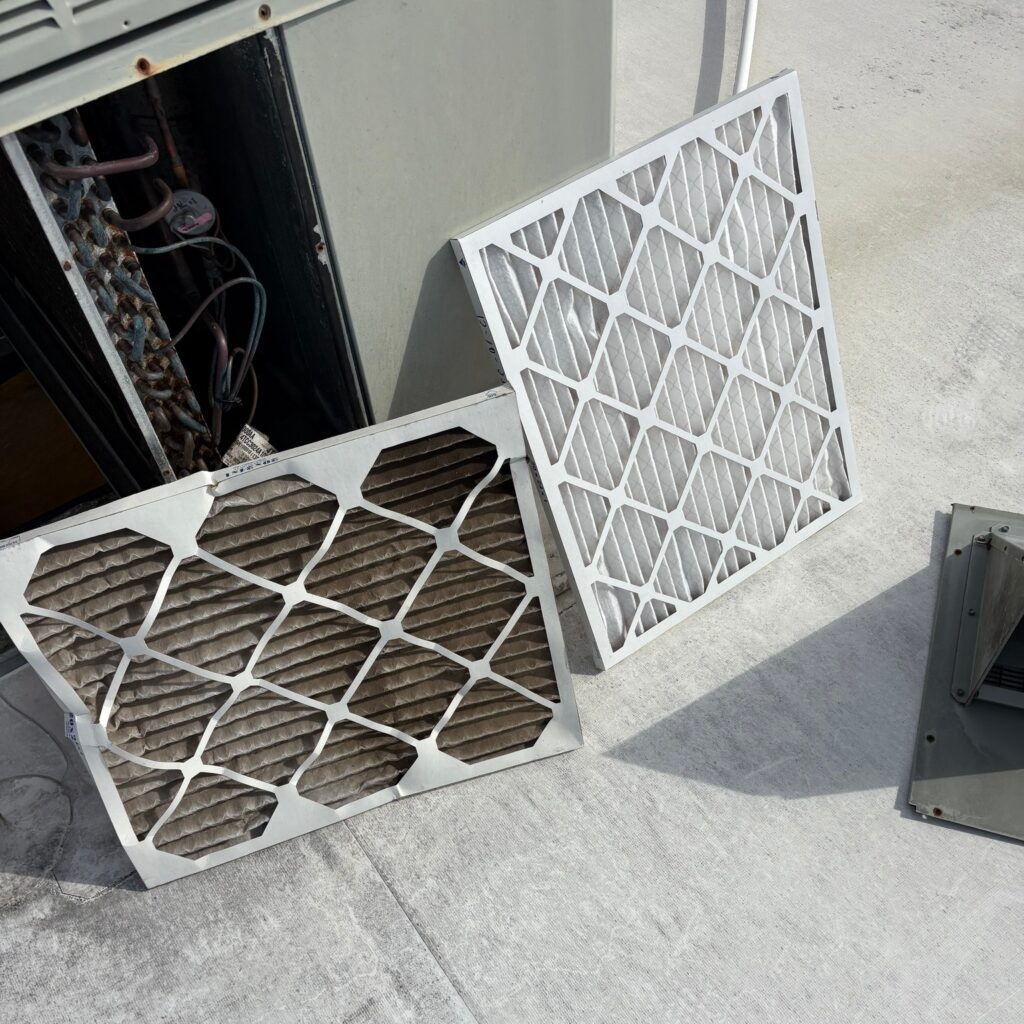
A restricted air filter is one of the most common reasons a room never gets cold enough, and it is also the easiest to overlook. When the filter fills with dust and pet hair, it chokes the volume of air the blower can push through the system, so the room farthest from the air handler suffers first. A dirty filter also forces the blower motor to work harder, which raises your energy bill and shortens the life of the equipment. Most standard one inch filters need replacement every thirty to ninety days in a Florida home, and homes with pets or allergies fall on the shorter end of that range. A clean filter restores proper airflow and often fixes a warm room with no other work required. You can check the filter in under a minute by pulling it out and holding it up to a light. If light barely passes through, the filter is overdue for a change. This single habit prevents a surprising number of comfort complaints.
Blocked or closed vents create the same airflow shortage even when the filter is spotless. Furniture pushed against a supply register, a rug laid over a floor vent, or drapes that hang across the airflow path all rob the room of the cooled air it needs. Some homeowners close vents in unused rooms believing it sends more air elsewhere, but this actually raises pressure inside the duct system and can reduce total airflow throughout the house. Supply registers deliver cool air into the room, while return vents pull warm air back to the system, and both need to stay open and unobstructed. A room with a weak or missing return vent will struggle to circulate air no matter how strong the supply is. Walk the room and confirm that every register sits at least a few inches clear of furniture and fabric. Open every vent fully and check that the louvers are not jammed shut. These small adjustments often produce a noticeable improvement within an hour.
Heat gain inside the room can overwhelm even a healthy airflow setup, so it deserves attention too. A room with western or southern windows absorbs intense afternoon sun, and that radiant heat can raise the indoor temperature faster than the supply air can lower it. Recessed can lights, gaming consoles, computers, and televisions all give off steady heat that adds to the cooling load. Poor insulation in the walls or ceiling lets attic heat soak into the space, and attics in central Florida regularly climb well above one hundred thirty degrees during summer. Older single pane windows and gaps around the frames let conditioned air escape while hot outdoor air leaks in. Closing blinds during peak sun, switching to LED lighting, and sealing window gaps all reduce the heat the system has to fight. When you cut the heat load, your existing equipment finally has a chance to keep the room cool. Pairing these steps with clean airflow gives many rooms the relief they need.
Ductwork Issues That Stop A Room From Getting Cold Enough
Leaking ducts are a hidden cause behind many rooms that never get cold enough, and the losses can be severe. Duct joints separate over time, mastic seals crack, and rodents or careless attic work can tear the flexible duct that feeds a distant room. Industry studies have found that the average home loses around twenty to thirty percent of its cooled air to duct leaks before it ever reaches the living space. A duct that comes loose in the attic dumps expensive cold air into a space that is already brutally hot, leaving the room it should serve starved for cooling. The room at the end of the longest duct run almost always feels the impact first. You may notice the rest of the house cools fine while one back bedroom never reaches the set temperature. Sealing and reconnecting ducts restores the airflow that the room was designed to receive. Professional duct sealing pays for itself through lower bills and a more comfortable home.
Undersized or poorly designed ductwork creates a similar shortfall even when nothing is leaking. A duct that is too small for the room cannot carry enough air, and a run that bends sharply or stretches too far loses pressure along the way. Some additions and converted spaces, such as a garage turned into a bedroom, were never tied into a properly sized duct branch. Flexible ducts that sag or kink in the attic pinch the airflow down to a trickle. When the duct serving a room cannot deliver the right volume of air, the room stays warm no matter how cold the air at the air handler is. A technician can measure airflow at each register and identify the runs that fall short. The fix may involve resizing a branch, straightening a crushed line, or adding a dedicated run. These corrections target the exact room that has been left behind.
Uninsulated ducts in a hot attic waste cooling before it travels to the far rooms. When bare metal or thin flex duct sits in a one hundred thirty degree attic, the cooled air inside warms up during the journey, so air that left the coil at fifty five degrees can arrive much warmer at the register. The farther the room, the longer the duct, and the greater the temperature loss along the way. Proper duct insulation keeps the air cold from the air handler all the way to the room. Sealing the ducts and wrapping them with the right insulation often solves a stubborn warm room without touching the cooling equipment at all. If you suspect duct problems are behind your comfort issues, our team can inspect, seal, and insulate your system. Need duct repair or sealing? Click here for our air duct service. A healthy duct system is the foundation of even cooling in every room.
Cooling System Faults That Make A Room Never Get Cold Enough
Low refrigerant is a frequent cause of weak cooling, and it almost always means a leak somewhere in the system. Refrigerant is not consumed like fuel, so a system that runs low has developed a leak that needs to be found and repaired. When the charge drops, the system loses cooling capacity, and the room farthest from the air handler feels the loss most sharply. You might notice the air from the vents is not as cold as it used to be, or you may see ice forming on the refrigerant lines near the indoor unit. Running a system on low refrigerant strains the compressor, which is the most expensive part to replace. Only a licensed technician can legally handle refrigerant, test for leaks, and recharge the system to the manufacturer specification. Topping off refrigerant without fixing the leak only delays the problem and wastes money. Proper leak repair restores cooling to the whole home, including that stubborn warm room.
Dirty coils rob the system of its ability to move heat, and that shortfall shows up first in the hardest to cool room. The evaporator coil inside the air handler absorbs heat from your indoor air, while the condenser coil outside releases that heat to the outdoors. When either coil cakes with dust, grime, or outdoor debris, heat transfer drops and the whole system loses efficiency. A neglected outdoor unit surrounded by grass clippings and leaves cannot shed heat properly, so the indoor air never gets as cold as it should. Pet hair, construction dust, and a missed filter change all contribute to a fouled evaporator coil over time. Regular maintenance includes cleaning both coils so the system runs at full capacity. A clean system cools every room more evenly and uses less electricity doing it. Skipping coil cleaning lets a small drop in performance grow into a comfort problem you feel in your warmest room.
An aging or undersized cooling system simply cannot keep up with the demand, and no amount of small fixes will change that. An air conditioner that is too small for the square footage runs constantly and still falls behind on the hottest days, leaving the far rooms warm. A system that has lost capacity through years of wear shows the same pattern even though it was once sized correctly. A failing blower motor or a weak capacitor reduces the air the system can move, which starves distant rooms. If your equipment is more than ten to fifteen years old and struggles every summer, the unit itself may be the limiting factor. A professional load calculation, often called a Manual J, determines the correct system size for your home. When you suspect the equipment is the cause, a full diagnostic gives you a clear answer. Need a cooling system checkup or replacement? Click here for our air conditioning service. Matching the right system to your home is the lasting fix for uneven cooling.
How To Cool A Room That Never Gets Cold Enough Step By Step
Once you understand the cause, the path to a cooler room becomes a series of clear steps you can follow in order. Start with the simple checks that cost little or nothing, then move toward the targeted upgrades that solve harder cases. Many homeowners fix a warm room with nothing more than a fresh filter, open vents, and closed blinds during peak sun. When those steps fall short, smarter thermostat control and zoning can balance the temperature between rooms. For a room that resists every other fix, a dedicated cooling source such as a ductless mini split delivers cold air right where you need it. The key is to work from the easiest and cheapest options up to the more involved ones so you never overspend. The steps below give you a practical plan to follow this week. Each one builds on the last to bring that warm room into balance with the rest of the house.
Simple Fixes To Cool A Room That Never Gets Cold Enough
Begin with the filter, because a clean filter restores airflow faster than any other single step. Pull the existing filter, note the size printed on the frame, and replace it with a fresh one if it looks gray or clogged. While you are there, open every supply register and return vent in the warm room and confirm that nothing blocks the airflow path. Move furniture away from vents, lift rugs off floor registers, and tie back any drapes that hang across the supply. Close the blinds or curtains on sunny windows during the afternoon to block radiant heat before it builds up. Swap hot incandescent or halogen bulbs for cool running LED bulbs, which cut both heat and energy use. These steps take less than an hour and often produce a clear improvement by the end of the day. They cost very little and rule out the most common causes before you spend on anything bigger.
Next, address the air leaks and insulation gaps that let your cooled air escape. Run your hand around window frames and exterior door edges on a hot day to feel for warm air sneaking in. Apply weatherstripping to doors and caulk around window frames to seal the gaps you find. Check that the attic insulation above the warm room is thick and evenly spread, since thin or compressed insulation lets attic heat pour into the room. A door sweep at the bottom of an exterior door stops both air leaks and pests. If the room sits over a garage or above an uninsulated space, added insulation there makes a real difference. These sealing steps keep the cold air you paid for inside the room where it belongs. They also lower your energy bills month after month, so the work pays you back over time.
Improve circulation inside the room to spread the cooled air more evenly. A ceiling fan set to spin counterclockwise in summer pushes air down and creates a wind chill effect that makes the room feel several degrees cooler. A portable fan placed near the doorway can pull cooler air in from the hallway and push warm air out. Keep interior doors open when possible so air can move freely between the room and the central return vent. If the room has only a supply vent and no return path, even a slightly open door helps balance the pressure. Avoid running heat producing electronics during the hottest part of the day if you can shift their use. Good circulation will not lower the actual cooling output, but it makes the existing output feel far more effective. Combined with clean filters and sealed leaks, these habits solve many warm room complaints on their own.
Thermostat And Zoning Tips To Cool A Hot Room
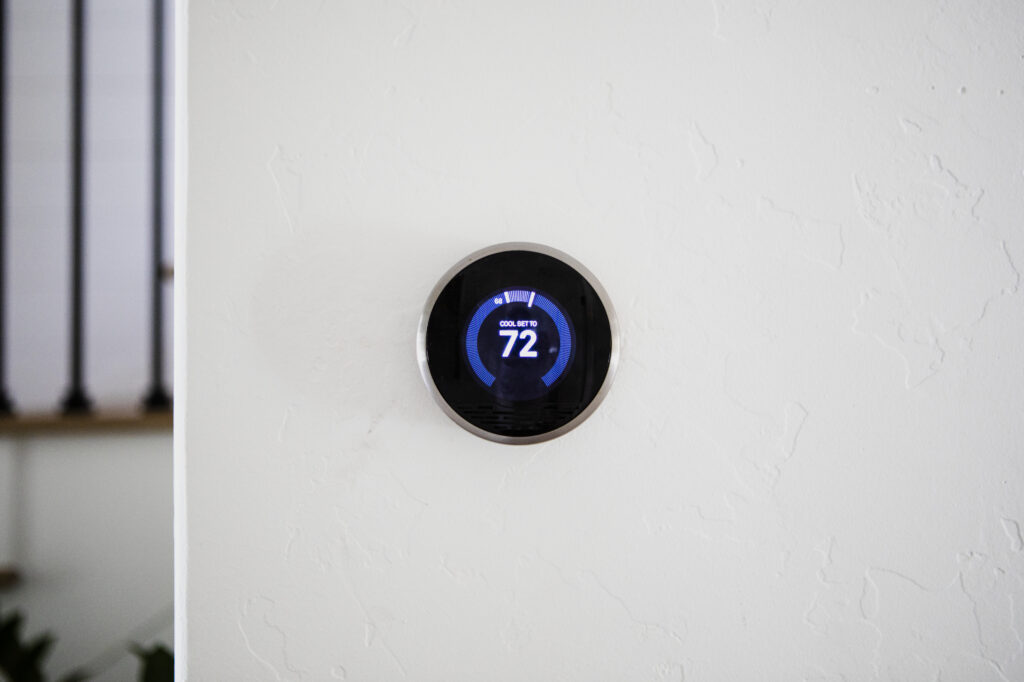
A smart or programmable thermostat gives you tighter control over how your home cools throughout the day. Setting the system to begin cooling before the afternoon heat peaks helps the far room keep up instead of falling behind. A thermostat placed in a poor location, such as a hallway near a kitchen or in direct sun, may read warmer or cooler than the rest of the house and cycle the system at the wrong times. Some smart thermostats use remote sensors you can place in the problem room so the system responds to that room directly. Avoiding extreme setbacks during the day prevents the system from struggling to recover when temperatures spike. A steady, well managed schedule keeps the whole home, including the lagging room, closer to your target temperature. Upgrading an old mercury or basic dial thermostat often improves comfort right away. Need a thermostat upgrade or repair? Click here for our thermostat service.
Zoning divides your home into separate areas that each get their own temperature control, and it is a powerful tool for uneven cooling. A zoned system uses dampers inside the ductwork and multiple thermostats to send more cooled air to the rooms that need it. Two story homes benefit greatly from zoning because heat rises and the upstairs rooms run warmer than the downstairs. Without zoning, the system treats the whole house as one space and ignores the fact that some rooms gain more heat than others. With zoning, the warm room can call for cooling on its own schedule and receive the airflow it needs. Adding a zone often solves a chronic warm room in a multi level home without replacing any equipment. A technician designs the zone layout around your home and how you actually use each room. The result is balanced comfort that you control room by room.
Smart controls and zoning work best when paired with a healthy duct system and a correctly sized unit. A zone damper cannot deliver more air than the duct can carry, so duct sizing and sealing still matter. Likewise, a thermostat can only manage the cooling that the equipment is able to produce, so a tired or undersized system limits what any control can do. Think of these tools as the brain that directs cooling to the right place rather than a source of extra capacity. When the foundation is sound, smart thermostats and zoning fine tune your comfort with impressive precision. A professional can tell you if your current system can support zoning or if upgrades are needed first. This honest assessment keeps you from buying controls that your system cannot fully use. Done right, zoning turns a frustrating warm room into one of the most comfortable spaces in the house.
Adding A Mini Split To Cool A Room That Never Gets Cold Enough
A ductless mini split is often the best answer for a room that refuses to cool by any other method. This system pairs a small outdoor unit with one or more indoor wall units, and it cools the room directly without relying on your central ductwork. Because it skips the ducts entirely, a mini split avoids the duct leaks and long runs that starve a distant room of cold air. It is a strong fit for additions, converted garages, sunrooms, bonus rooms over a garage, and any space the central system was never sized to handle. Each indoor unit has its own thermostat, so you cool only the room you are using and save energy everywhere else. Modern mini splits run quietly and reach high efficiency ratings that keep operating costs low. Installation is far less invasive than adding ductwork because only a small line set passes through the wall. For a stubborn warm room, a mini split frequently delivers the comfort that nothing else could.
Mini splits also shine in homes where running new ducts would be expensive or impossible. Older homes with plaster walls, homes with finished attics, and rooms far from the air handler all make traditional duct extensions costly and disruptive. A single zone mini split serves one room, while a multi zone system can cool several problem rooms from one outdoor unit. The indoor units come in wall mounted, ceiling cassette, and floor mounted styles to suit the room. Many models offer both cooling and heating, which adds value during the occasional Florida cold snap. Because each unit operates independently, you never cool an empty room just to reach the one you are in. This targeted approach lowers your overall energy use while finally fixing the warm room. The flexibility of ductless systems makes them a favorite solution for hard to cool spaces.
Proper sizing and placement determine how well a mini split performs, so professional installation matters. A unit that is too large short cycles and fails to remove humidity, while a unit that is too small never reaches the set temperature. A technician calculates the correct capacity for the room based on its size, sun exposure, insulation, and use. Placement of the indoor unit affects how evenly the air spreads across the room. The outdoor unit needs proper clearance and a solid mounting location for reliable operation. Correct line set installation and charging protect the system and keep it efficient for years. Want a dedicated cooling solution for a hot room? Click here for our mini split service. A well installed mini split turns the warmest room in your home into one of the most comfortable.
Why You Need A Professional To Cool A Room That Never Gets Cold Enough
Some warm room fixes are simple, but many require tools, training, and a license that homeowners do not have. Refrigerant handling, electrical work, duct modifications, and load calculations all call for a qualified HVAC technician. A professional diagnosis finds the real cause instead of treating symptoms, which saves you from spending on the wrong repair. Sol Aire Air Conditioning brings the experience, certifications, and honest approach that solve uneven cooling for good. Our team serves Sanford and the surrounding communities with background checked technicians and free estimates. When the easy steps do not solve your warm room, professional help is the smart next move.
When To Call An HVAC Technician For A Room That Will Not Cool
Call a technician when you have changed the filter, opened the vents, and sealed the obvious leaks but the room still stays warm. Weak airflow that persists after a fresh filter often points to a duct problem hidden inside the walls or attic. Air from the vents that never feels cold can signal low refrigerant or a dirty coil that needs professional attention. Ice on the refrigerant lines or the indoor unit is a clear sign to shut the system off and call for service. A system that runs nonstop yet never satisfies the thermostat usually has a deeper issue with capacity or charge. These symptoms are difficult to diagnose without proper gauges and training, so professional testing is the reliable path.
You should also call when the warm room is a new addition, a converted space, or a room far from the air handler. These rooms often need a duct redesign, a zoning solution, or a dedicated mini split to reach the comfort you want. A technician measures airflow, checks refrigerant charge, and inspects the ducts to pinpoint the exact shortfall. Trying to guess at the cause can lead to repeated spending without a real fix. A single professional visit replaces hours of trial and error with a clear plan. The sooner you call, the sooner that room becomes usable on the hottest days.
Persistent comfort problems also signal that your system may be due for maintenance or replacement. An aging unit that struggles every summer wastes energy and may be close to failure. A professional inspection tells you honestly if a repair will hold or if a new system makes more sense. Catching a refrigerant leak or a failing motor early prevents a more expensive breakdown later. Regular service keeps your whole system running at full capacity, which benefits every room. Calling at the first sign of trouble protects both your comfort and your wallet.

What Our Cooling Service Does For A Room That Never Gets Cold Enough
Our cooling service starts with a full diagnostic that examines airflow, refrigerant charge, coil condition, and ductwork. We measure the air reaching each register so we can prove where the shortfall begins. We inspect the ducts for leaks, kinks, and missing insulation that waste cooled air before it reaches the room. We check the refrigerant charge and test for leaks rather than simply topping off the system. This thorough approach finds the true cause instead of guessing at a fix. You receive a clear explanation of what we found and what we recommend.
From there, we offer honest, no pressure recommendations that match your home and budget. The fix might be a duct repair, a coil cleaning, a refrigerant leak repair, or a zoning upgrade. For rooms the central system cannot reach, we design and install ductless mini splits sized to the space. We carry top equipment as a Daikin Pro, Mitsubishi Diamond, and Navien certified dealer. Financing options are available so a larger repair or upgrade fits your budget. We explain the cost and the benefit of each option so you can choose with confidence.
After the work is done, we verify that the warm room now cools as it should. We retest the airflow and temperature at the register to confirm the improvement. We walk you through what changed and how to keep the room comfortable going forward. Our goal is a home where every room reaches the temperature you set. We back our work with clear communication and old fashioned customer service. When you need lasting comfort, our cooling service delivers results you can feel.
Why Choose Sol Aire Air Conditioning To Cool Your Hot Room
Sol Aire Air Conditioning brings over fifty years of combined industry experience to every home we serve. We are a licensed and insured HVAC contractor in Florida, so you can trust the quality and safety of our work. Our technicians are background checked for your peace of mind, and they treat your home with respect. We offer free estimates with honest, no pressure recommendations because we want you to make the right choice. As a Daikin Pro, Mitsubishi Diamond, and Navien certified dealer, we install equipment that lasts. Our old fashioned customer service means clear communication from the first call to the final test.
We serve Sanford, Lake Mary, Heathrow, Longwood, Oviedo, Winter Springs, and many more communities across the area. Our team knows the Florida climate and the cooling challenges that local homes face every summer. We arrive on time, explain the problem in plain language, and respect your budget with available financing options. Whatever the cause of your warm room, we have the training and tools to solve it. We stand behind our work and aim to earn your trust for years to come. You deserve a home that cools evenly in every room.
Reach out today and let us solve the room that never gets cold enough. Call us at (407) 789-4000 or email service@solaireac.com to schedule your free estimate. Our friendly team will answer your questions and set up a visit that fits your schedule. We will diagnose the issue, explain your options, and get that room comfortable again. With Sol Aire Air Conditioning, you get experience, honesty, and results you can count on. Let us help you enjoy a cooler, more comfortable home this summer.