
How Long Should An Air Conditioner Run On A Hot Day
On a hot summer day in Central Florida, your air conditioner works harder than it does at any other time of year. Many homeowners watch the system run for long stretches and start to wonder if something has gone wrong. The honest answer is that longer run times are normal when outdoor temperatures climb into the nineties. A healthy air conditioner often runs in cycles of fifteen to twenty minutes during mild weather, yet those cycles stretch much longer once the heat and humidity rise. There is a point where long run times do signal a real problem, and knowing that line helps you protect both your equipment and your energy bill. This guide explains what counts as normal, what counts as a warning sign, and what you can do about each one. Sol Aire Air Conditioning has spent years keeping homes cool across Sanford and the surrounding area. By the end of this article, you will understand how long your system should run and when it makes sense to call for help.
How Long Should An Air Conditioner Run On A Hot Day In Florida
The amount of time an air conditioner should run on a hot day depends on several factors that work together. A correctly sized unit in a well sealed home should keep up with the heat without struggling. During a typical Florida afternoon, it is common for the system to run for thirty to forty minutes at a time, and sometimes longer than that. On the hottest days of the year, near continuous operation can still be perfectly healthy. The key measure is not the clock alone; it is the temperature your system can hold inside the home. A good air conditioner maintains roughly a twenty degree difference between the indoor and outdoor temperature. When you understand that target, long run times start to make a great deal more sense.
The Normal Air Conditioner Run Time On A Hot Day
A normal air conditioner run time changes with the weather, so there is no single number that fits every day. In spring or during early morning hours, a system might cycle on for fifteen minutes, shut off, and rest for a while before starting again. As the sun climbs and the outdoor temperature rises, those cycles naturally grow longer. By mid afternoon on a ninety five degree day, a run time of thirty to forty five minutes per cycle is completely normal. The system is simply matching its output to the heat pouring into your home. A properly sized unit will still reach the thermostat setting, even when it takes more effort to get there. This pattern is healthy and shows the equipment is doing its job. Florida summers push every system hard, and longer cycles are part of normal operation here.
Heating and cooling professionals often describe a balanced system in terms of cycles per hour rather than raw minutes. On a moderate day, two to three cooling cycles per hour is a common and healthy rhythm. Each cycle gives the system time to pull heat and moisture out of the indoor air. When the weather turns extreme, the number of cycles drops because each run lasts longer. A unit that runs once for forty minutes and rests for ten is still operating within a reasonable range on a hot afternoon. The goal is steady, even cooling without rapid stops and starts. This kind of run time also helps control humidity, which matters a great deal in our climate. Comfortable air is dry air, and longer cycles remove more moisture from your home.
Run time also depends on the temperature you ask your system to hold. Setting the thermostat to seventy two degrees on a one hundred degree day forces the unit to run almost without pause. A more realistic setting of seventy five or seventy six degrees gives the system room to keep up and rest between cycles. Many homeowners do not realize how much the thermostat target shapes daily run time. A small change of two or three degrees can cut hours of operation over a long summer day. This does not mean your system is failing when it runs long at a low setting; it means you are asking a great deal of it. Finding a comfortable and realistic setting is one of the simplest ways to manage run time. The team at Sol Aire can help you find a balance that keeps you cool without overworking the equipment.
What Affects How Long An Air Conditioner Runs On A Hot Day
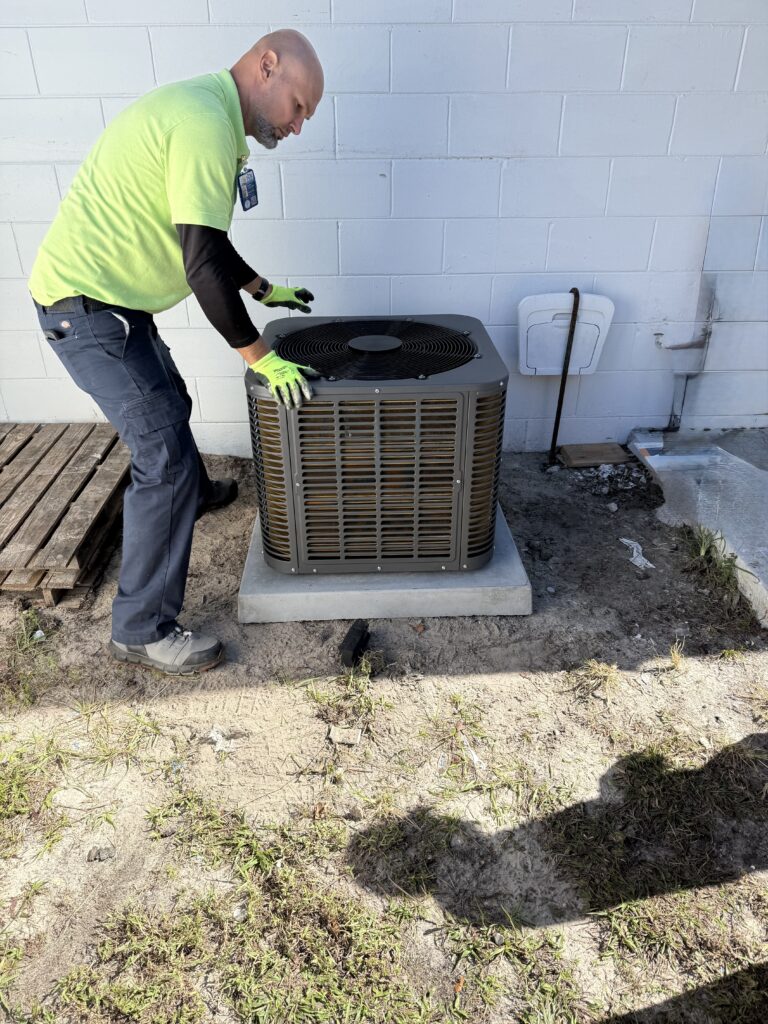
Several factors affect how long an air conditioner runs on a hot day, and most of them have nothing to do with a broken part. Outdoor temperature is the biggest one, since more heat means more work for the system. Humidity plays a major role too, because the unit must remove moisture along with heat before the air feels comfortable. The size and condition of your home matter just as much as the equipment itself. A home with poor insulation, old windows, or gaps around doors lets cool air escape and warm air sneak in. Direct sun on the roof and walls adds a heavy load during the afternoon hours. All of these forces combine to keep your system running longer than it would in a tightly sealed home. Understanding them helps you tell the difference between normal effort and a true problem.
The ductwork hidden in your attic and walls has a large effect on run time as well. Leaky or poorly insulated ducts can lose a big share of the cool air before it ever reaches your rooms, so the system runs longer to make up for the loss. Dirty air filters create a similar problem by choking the airflow the system depends on. A clogged filter forces the blower to work harder and stretches every single cycle. Dust and debris on the outdoor coil also trap heat and reduce efficiency. Each of these issues makes the unit run longer without giving you any better cooling. Keeping ducts sealed and filters clean is one of the best ways to hold run times in a reasonable range. If you suspect your ducts are leaking, our team can inspect and seal them; click here for our air duct service.
The age and size of your air conditioner shape run time in ways that are easy to overlook. An undersized unit will struggle to cool a large home and may run nearly all day during a heat wave. An oversized unit causes the opposite problem by cooling too fast and shutting off before it removes enough humidity. Older systems also lose efficiency over time as parts wear and refrigerant levels drift. A unit that ran in tidy cycles a few summers ago may run much longer now because of normal aging. The efficiency rating, often called the SEER rating, tells you how much cooling you get for the energy you use, so a higher rating usually means shorter run times for the same comfort. When you replace an aging system, proper sizing matters far more than simply buying the biggest unit available. A professional load calculation makes sure your new equipment fits your home.
When Long Air Conditioner Run Times On A Hot Day Are Still Healthy
Long air conditioner run times on a hot day are often a sign of a healthy system, not a failing one. When the outdoor temperature reaches the upper nineties, near continuous operation can be the correct response. The system is keeping pace with a heavy heat load, and constant cooling is exactly what you want in that moment. As long as the indoor temperature stays close to your thermostat setting, the long run is doing its job. A system that holds seventy five degrees inside while it is ninety eight outside is performing well. The clock alone does not tell the full story; comfort and indoor temperature tell you far more. Many homeowners panic at long run times when the equipment is simply matched to the weather. Trust the result inside the home over the sound of a unit that keeps running.
Humidity control is another reason long run times can be healthy in Florida. Our climate carries heavy moisture, and removing that moisture takes time and steady operation. A system that cycles on and off too quickly never runs long enough to pull humidity from the air. Longer cycles allow the evaporator coil to wring out moisture and leave your home feeling cool and dry. This is why a unit that runs steadily often feels more comfortable than one that blasts cold air in short bursts. The air temperature might read the same on a thermostat, yet the drier air feels much better on your skin. Steady run times also reduce the strain of frequent starts on the compressor. In this sense, a longer and smoother run can actually protect your equipment.
There is a clear way to judge if a long run time is healthy or harmful. Walk through your home and check if the air feels cool and the temperature stays near your setting. Listen for steady, even operation rather than frequent stops and starts. Notice if certain rooms stay warm while others cool down, since uneven cooling can point to duct or airflow issues. Check your energy bills over the season for sudden jumps that do not match the weather. If the home stays comfortable and the bill stays steady, long run times are likely just the system handling the heat. If comfort drops or the bill spikes, it is time to look a little closer. When in doubt, a quick professional inspection settles the question fast.
Signs Your Air Conditioner Is Running Too Long Or Too Often On A Hot Day
While long run times are often normal, certain patterns point to a real problem that deserves attention. An air conditioner that runs without ever satisfying the thermostat is working too hard for the results it delivers. A system that turns on and off every few minutes is also in trouble, even though each run is short. These behaviors waste energy, raise your bill, and shorten the life of the equipment. The trick is learning to read the signs so a small issue does not grow into a major repair. Most cooling problems start quietly and get worse over a long, hot summer. Catching them early keeps your home comfortable and your costs under control.
Short Cycling And What It Means For Air Conditioner Run Time
Short cycling describes an air conditioner that turns on and off in rapid bursts, often running for only a few minutes at a time. This pattern is the opposite of the long, steady run you want on a hot day. A system that short cycles never stays on long enough to cool the home evenly or remove humidity. The frequent starts place heavy strain on the compressor, which is the most expensive part of the system. Over time, short cycling can lead to early failure of that part and a costly repair. It also drives up your energy bill, because starting the unit uses far more power than steady running. If your air conditioner keeps stopping and starting on a hot day, the run time is too short and something needs attention. This is a clear case where short run times are a problem rather than a benefit.
Several issues can cause short cycling, and a trained technician can pinpoint the right one. An oversized unit is a common culprit, since it cools the air so fast that it shuts off before finishing the job. Low refrigerant from a leak can trigger safety controls that stop the system early. A frozen evaporator coil, often caused by a dirty filter or low airflow, can also force the unit to shut down. Electrical faults, a failing thermostat, or a clogged filter can each create the same stop and start behavior. Because so many causes look alike from the outside, guessing rarely solves the problem. A professional diagnosis checks refrigerant levels, airflow, and electrical components in order. Getting the right answer the first time saves both money and frustration.
Ignoring short cycling on a hot day rarely ends well, and the damage tends to add up quickly. Each rapid start wears down the compressor and the other moving parts a little more. The home stays uncomfortable because the air never gets enough time to cool and dry properly, so humidity creeps up and can leave a sticky feeling indoors. Energy bills climb because the system burns power on constant restarts without delivering real cooling. The longer the issue goes unchecked, the more likely you are to face a full breakdown during the hottest stretch of the year. A prompt repair restores normal run time and protects your investment. If your unit is short cycling, our team can find the cause fast; click here for our air conditioning service.
Constant Running That Signals An Air Conditioner Problem On A Hot Day
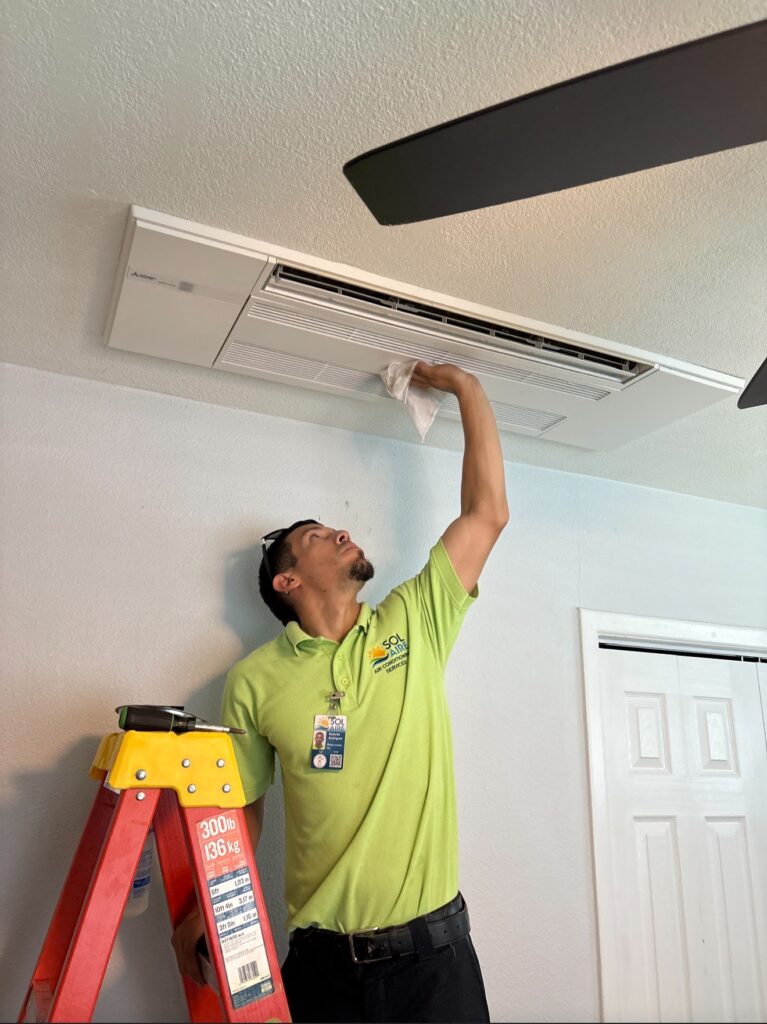
Constant running becomes a problem when the air conditioner runs nonstop yet the home never reaches the thermostat setting. This is different from healthy long run times, where the system keeps the indoor temperature steady. When the unit runs all day and the rooms still feel warm, the equipment is fighting a losing battle. The first clue is a thermostat reading that sits several degrees above where you set it. You may also notice weak airflow from the vents or air that feels cool but not cold. These signs together suggest the system cannot keep up with the heat for a reason beyond the weather. A unit that never satisfies the thermostat is asking for a closer look. Catching this early prevents a small fault from turning into a complete failure.
Low refrigerant is one of the most common reasons a system runs constantly without cooling well. Refrigerant carries heat out of your home, and a leak leaves the system unable to do that job. Dirty coils create a similar effect by trapping heat and blocking the transfer that cooling depends on. A clogged filter or collapsed duct can starve the system of airflow and force endless running. Worn parts inside the compressor or blower can also reduce output even while the unit keeps running. In some cases, the original equipment was simply too small for the home from the start. Each of these problems makes the system work without rest while delivering poor comfort. A technician can measure performance and find the true cause rather than treating symptoms.
Letting an air conditioner run constantly without results costs you in several ways at once. The energy bill climbs sharply because the system draws power every hour of the day. The equipment wears faster because it never gets the rest a normal cycle provides. Comfort suffers because the home stays warm and humid no matter how long the unit runs. There is also a safety angle, since an overworked system can overheat and fail at the worst possible time. A breakdown during a Florida heat wave puts your family in a hot home and often means an emergency repair. Acting early, while the system still runs, gives you more options and lower costs. A seasonal tune up often catches these issues before they leave you without cool air.
How Thermostat Settings Change Air Conditioner Run Time On A Hot Day
Thermostat settings have a direct and powerful effect on how long your air conditioner runs each day. A very low setting forces the system to chase a target that the outdoor heat keeps pushing away. The lower you set the temperature on a hot day, the longer and harder the system must run to reach it. Many homeowners set the thermostat low hoping the home will cool faster, yet a lower number does not speed up cooling. The system removes heat at the same rate no matter the setting; it simply runs longer to reach a lower goal. A realistic target lets the unit reach the setting and rest between cycles. Small adjustments make a real difference over the length of a Florida summer. Understanding this saves both energy and wear on the equipment.
A programmable or smart thermostat gives you an easy way to manage run time without giving up comfort. You can let the home warm slightly while everyone is away and cool it down before anyone returns. This approach trims hours of unneeded run time during the hottest part of the day. Setting the temperature a few degrees higher in the afternoon, when the heat peaks, reduces the strain on the system. A steady setting also works better than constant manual changes, since frequent adjustments can confuse the cooling cycle. Modern thermostats can even learn your schedule and adjust on their own. The right settings keep you comfortable while protecting your equipment and your budget. If you want help choosing or programming a new thermostat, click here for our thermostat service.
The location and condition of the thermostat also influence run time in ways people rarely consider. A thermostat placed in direct sun or near a hot wall reads a higher temperature than the rest of the home. That false reading tells the system to keep running long after the rooms are comfortable. A thermostat near a supply vent has the opposite issue and shuts the system off too soon. An aging or failing thermostat can send the wrong signals and cause both short cycling and constant running. Placing the device on an interior wall, away from heat and drafts, gives the most accurate reading. A quick check of the thermostat is often the first step in solving an odd run time problem. Sometimes the fix is far simpler and cheaper than people expect.
Why You Need Professional Air Conditioner Service For Long Run Times On A Hot Day
Run time problems can come from many sources, and pinpointing the right one takes training and tools. A professional can tell the difference between normal long cycles and a system in trouble within minutes. Regular service keeps your air conditioner running efficiently through the hardest months of the year. It also catches small faults before they grow into emergency repairs during a heat wave. Trusting an experienced team gives you peace of mind and a cooler, more comfortable home.
How Regular Maintenance Improves Air Conditioner Run Time On A Hot Day
Regular maintenance is the single best way to keep air conditioner run times reasonable on a hot day. A trained technician cleans the coils, checks refrigerant levels, and tests airflow during each visit. These steps remove the common causes of long run times before they cause trouble. A clean, well tuned system cools faster and rests between cycles the way it should. Most experts recommend a tune up at least once a year, ideally before the cooling season begins. That single visit often pays for itself in lower energy bills and fewer breakdowns.
During a maintenance visit, the technician looks at parts that homeowners cannot easily reach or test. They inspect the compressor, the blower motor, and the electrical connections for early signs of wear. They also clear the condensate drain, which prevents water damage and humidity problems. Small adjustments during these visits keep the system running near its original efficiency. A well maintained unit holds its run time steady year after year instead of slowly creeping longer. This care extends the life of the equipment and protects the money you invested in it.
Maintenance also gives you a chance to ask questions and learn about your own system. The technician can explain what a normal run time looks like for your specific home and unit. They can point out small habits, like changing filters often, that keep cycles short and efficient. This kind of guidance helps you spot trouble early between professional visits. A maintenance plan takes the guesswork out of scheduling and keeps your system on track. Steady, well managed run times start with care given before the heat of summer arrives.
When To Call A Professional About Air Conditioner Run Time On A Hot Day
There are clear moments when an air conditioner run time problem needs a professional rather than a do it yourself fix. Call for help if the system runs nonstop yet the home never reaches the thermostat setting. Reach out if the unit turns on and off every few minutes in a short cycling pattern. A sudden jump in your energy bill that does not match the weather is another strong signal. Warm rooms, weak airflow, or strange noises also point to a problem worth checking. These signs rarely fix themselves and usually grow worse with time.
Some run time problems involve refrigerant, electrical parts, or sealed components that require licensed handling. Refrigerant is regulated and must be handled by a trained, certified technician for safety and legal reasons. Electrical faults carry a real risk of injury and should never be guessed at by a homeowner. A professional carries the gauges, meters, and parts needed to diagnose and repair the system correctly. Trying to fix these issues without training often makes the damage worse and costs more in the end. Calling early keeps the repair small and the price reasonable.
A professional visit also gives you confidence that the job is done right the first time. The technician confirms the true cause instead of guessing, then repairs it with the correct parts. They test the system after the work to make sure run times return to normal. This thorough approach prevents repeat visits and surprise breakdowns later in the season. You also get honest advice about repair versus replacement when an older unit is involved. A trusted team treats your home and your budget with respect at every step.
Why Choose Sol Aire Air Conditioning For Air Conditioner Run Time Concerns
Sol Aire Air Conditioning brings over fifty years of combined industry experience to every service call. Our technicians are background checked, so you can feel safe welcoming them into your home. We are a licensed and insured HVAC contractor serving Sanford and the surrounding Central Florida area. As a Daikin Pro, Mitsubishi Diamond, and Navien certified dealer, we work with trusted, high quality equipment. That training and certification means we diagnose run time problems quickly and correctly. You get cool comfort backed by real expertise.
We believe in old fashioned customer service built on clear, honest communication. Our team offers free estimates with straightforward, no pressure recommendations. We explain what we find in plain language, so you always understand the condition of your system. Financing options are available to make your next air conditioning service easier to manage. We treat your home with care and your time with respect on every visit. Our goal is a comfortable home and a customer who trusts us for years to come.
When your air conditioner runs too long or too often on a hot day, our team is ready to help. We serve homeowners across Sanford, Lake Mary, Heathrow, Oviedo, and the wider region. A quick call puts an experienced, certified technician on the path to your door. You can reach Sol Aire Air Conditioning at (407) 789-4000 or by email at service@solaireac.com. We will get to the bottom of your run time concern and restore steady, reliable cooling. Trust the team that treats your comfort like our own.