
Why Your Upstairs Is Always Hotter Than Downstairs
Florida homeowners often notice a frustrating pattern during the warm months. The upstairs feels like a sauna while the downstairs stays cool and comfortable. This temperature imbalance is one of the most common air conditioning complaints in two-story homes across Central Florida. The issue connects to physics, ductwork design, insulation quality, and how your HVAC system distributes cool air throughout the property. Understanding why your upstairs is always hotter than downstairs can help you take the right steps to fix the problem. Sol Aire Air Conditioning has decades of combined experience solving uneven cooling issues for homes in Sanford, Lake Mary, Oviedo, and surrounding areas. The right diagnosis and repair strategy can restore balanced temperatures and lower your monthly energy bills at the same time.
The Main Reasons Your Upstairs Is Always Hotter Than Downstairs
Several factors work together to make your upstairs warmer than the lower level of your home. Hot air naturally rises because it is less dense than cool air, which means heat from your downstairs migrates upward throughout the day. Your roof absorbs intense Florida sunlight and transfers that heat directly into the attic space above your bedrooms. Ductwork running through hot attics loses cooling power before the air ever reaches the upstairs vents. Poor insulation, leaky ducts, undersized return vents, and aging air conditioning systems all contribute to the problem. Identifying the root cause of why your upstairs is always hotter than downstairs requires a professional inspection of your entire HVAC system.
Hot Air Rising Makes Your Upstairs Always Hotter Than Downstairs
Hot air rising is a basic principle of thermodynamics that directly affects how your home feels during the summer months. Warm air molecules move faster and spread further apart, which makes them lighter than cool air molecules. As the warm air drifts upward through your home, it collects in the upstairs rooms and gets trapped near the ceilings. Your downstairs gets the benefit of the heavier cool air settling at floor level, where most living happens. This natural movement explains why your upstairs is always hotter than downstairs even when your air conditioner runs constantly. The temperature difference can reach eight to ten degrees in some homes during peak afternoon heat. Stairwells act like chimneys that pull warm air upward even faster than it would naturally rise. Closing doors and adjusting ceiling fan rotation can help slow this movement and improve comfort upstairs.
The stack effect intensifies this problem in homes with high ceilings, open floor plans, or tall stairwells. Warm air pushes upward and forces cool air to settle into the lowest areas of your home. Your downstairs thermostat reads a comfortable temperature, so the air conditioner shuts off before the upstairs gets cool enough. This cycle repeats throughout the day and creates the temperature imbalance that frustrates so many homeowners. Ceiling fans set to spin counterclockwise during summer push cool air downward and disrupt the stack effect. Adding a zoning system with multiple thermostats gives you better control over each level of your home. A properly designed HVAC system accounts for this physics and delivers more cool air to the upper floors. Sol Aire Air Conditioning can evaluate your home and recommend solutions that work against the natural movement of warm air.
Solar heat gain through windows adds to the upstairs cooling problem in Central Florida homes. Upstairs windows often catch more direct sunlight than downstairs windows because trees and neighboring structures rarely block them. The glass allows infrared radiation to enter your home and heat the rooms behind the windows. Window treatments like blackout curtains, solar shades, and reflective films reduce solar heat gain significantly. Tinted windows or low-emissivity glass panels can cut heat transfer by up to seventy percent. Combining these upgrades with a properly sized air conditioning system makes a noticeable difference in comfort. Need help with uneven cooling in your home? Click here for our air conditioning services to schedule an evaluation today.
Attic Heat Makes Your Upstairs Always Hotter Than Downstairs
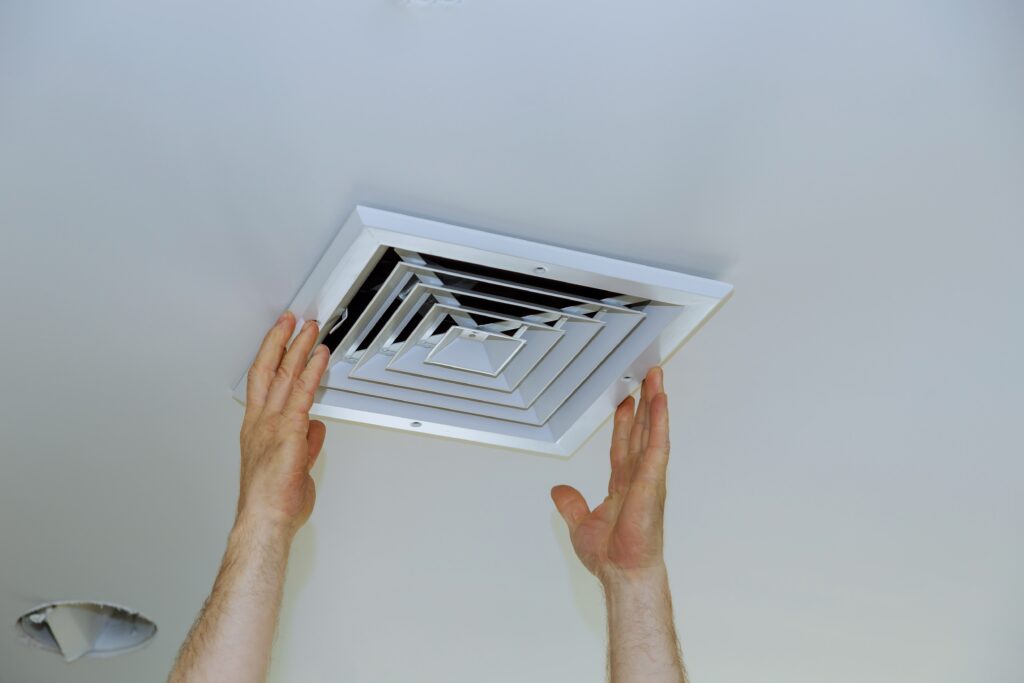
Your attic plays a huge role in why your upstairs is always hotter than downstairs during Florida summers. Attic temperatures regularly climb above one hundred forty degrees on hot afternoons. This intense heat radiates downward through the ceiling and warms the rooms below. Older homes often have insufficient attic insulation that allows heat to pass through easily. The recommended R-value for attic insulation in Central Florida is R-30 to R-38, but many homes have far less. Adding insulation creates a thermal barrier that slows heat transfer from the attic into your living spaces. Proper attic ventilation also reduces heat buildup by allowing hot air to escape through ridge vents and soffit vents. Radiant barriers installed on the underside of the roof deck reflect heat back outside before it warms the attic.
Ductwork running through hot attics suffers tremendous heat gain before the cool air reaches your upstairs vents. Air leaving your air conditioning unit at fifty-five degrees can warm up by ten to fifteen degrees as it travels through uninsulated or poorly insulated ducts. The result is lukewarm air coming out of your upstairs registers instead of the cold air you need. Duct insulation with an R-8 rating or higher reduces this heat gain dramatically. Sealing duct leaks with mastic sealant or metal tape prevents cool air from escaping into the attic before it reaches your rooms. The average home loses twenty to thirty percent of its cooled air through duct leaks and poor insulation. Professional duct sealing and insulation upgrades pay for themselves through lower energy bills and better comfort. Sol Aire Air Conditioning offers comprehensive duct services to address these efficiency problems.
Attic fans and powered ventilators can help reduce attic temperatures and ease the cooling load on your upstairs. Solar-powered attic fans run during the hottest part of the day without adding to your electric bill. Whole-house fans pull cool evening air through your home and exhaust hot air through the attic. These systems work best in combination with proper insulation and air sealing throughout the home. Sealing gaps around recessed lights, attic access doors, and plumbing penetrations stops conditioned air from leaking into the attic. Each improvement compounds the others and creates a cooler, more efficient home. The upfront investment pays back through reduced wear on your air conditioning system and lower monthly bills. Want to learn more about your ductwork options? Click here for our air ducts service to get started.
Insulation Problems Make Your Upstairs Always Hotter Than Downstairs
Poor insulation is one of the biggest reasons why your upstairs is always hotter than downstairs in older Florida homes. Walls, ceilings, and floors all need adequate insulation to prevent heat transfer between spaces. Many homes built before the year 2000 have insulation levels that fall short of current energy codes. Heat moves through under-insulated walls and ceilings into the cooler interior spaces and overwhelms your air conditioning system. Blown-in cellulose or fiberglass insulation can be added to existing walls through small access holes. Spray foam insulation provides excellent thermal resistance and seals air leaks at the same time. The combination of proper insulation and air sealing creates a continuous thermal envelope around your home.
Knee walls and bonus rooms often suffer from severe insulation deficiencies that worsen upstairs comfort. These spaces sit adjacent to unconditioned attic areas with only a thin wall separating them from extreme heat. The walls behind upstairs bedroom closets and bonus rooms frequently lack proper insulation or air sealing. Heat pours through these areas and makes adjacent rooms uncomfortable no matter how hard your air conditioner works. Adding rigid foam board insulation to knee walls and sealing the seams with foil tape solves this problem effectively. Insulating attic access doors and pull-down stairs also reduces heat transfer into the home. These targeted improvements often produce dramatic results in upstairs comfort levels.
Window insulation values affect upstairs cooling just as much as wall and ceiling insulation. Single-pane windows allow heat to pass through easily and contribute to uneven temperatures. Double-pane windows with argon gas fills and low-e coatings reduce heat transfer significantly. Window film applied to existing glass provides an affordable upgrade that blocks infrared radiation. Weatherstripping around window frames stops air leaks that bring hot, humid outdoor air into your conditioned spaces. Storm windows installed over older single-pane units add an extra layer of insulation at a lower cost than full replacement. Each insulation improvement reduces the cooling load on your air conditioning system and helps balance temperatures throughout your home. Sol Aire Air Conditioning works with homeowners to identify the most cost-effective improvements for their specific situation.
HVAC System Issues That Make Your Upstairs Always Hotter Than Downstairs
Your air conditioning system itself may be the reason why your upstairs is always hotter than downstairs. Many homes have a single HVAC system trying to cool both floors through one set of ducts and one thermostat. The system was often sized for the square footage without considering how heat distributes between levels. Undersized systems struggle to keep up with the cooling demand on hot days. Oversized systems cool the downstairs quickly and shut off before the upstairs gets comfortable. Aging equipment loses efficiency and capacity over time, which makes existing imbalances worse. Professional load calculations and system evaluations identify the specific problems affecting your home.
Single-Zone Systems Make Your Upstairs Always Hotter Than Downstairs
Single-zone HVAC systems rely on one thermostat to control the temperature throughout your entire home. The thermostat usually sits on the downstairs wall in a hallway or living room. Cool air settles around the thermostat and signals the system to shut off long before the upstairs reaches a comfortable temperature. Your upstairs bedrooms stay warm while the downstairs feels chilly during the cooling cycle. This design flaw explains why your upstairs is always hotter than downstairs in most older two-story homes. Modern zoning systems use multiple thermostats and motorized dampers to control each area independently. The investment in a zoning system pays back through better comfort and lower energy bills over time.
Converting a single-zone system to a multi-zone system requires careful planning and professional installation. Dampers installed in the ductwork open and close to direct cool air where it is needed most. Each zone gets its own thermostat that signals the system based on actual room temperatures. The upstairs zone can call for cooling while the downstairs zone stays satisfied with the existing temperature. This setup eliminates the constant fight between the two levels of your home. A variable-speed air handler works with the zoning system to deliver the right amount of air to each zone. The combination produces consistent temperatures throughout the home without overworking the equipment. Sol Aire Air Conditioning installs zoning systems that solve the uneven cooling problem permanently.
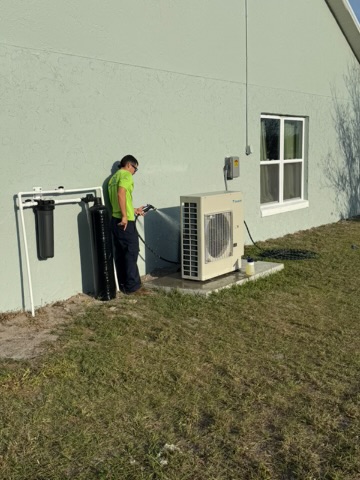
Ductless mini-split systems offer another solution for homes with severe upstairs cooling problems. These systems use individual indoor units in each room or zone connected to a single outdoor compressor. Each indoor unit operates independently and provides precise temperature control for that specific space. Installation requires no ductwork, which makes mini-splits ideal for bonus rooms, additions, and upstairs spaces that struggle to stay cool. The high efficiency ratings of modern mini-splits also reduce energy consumption compared to traditional central systems. Multi-zone mini-splits can cool several upstairs rooms while leaving the existing central system to handle the downstairs. The flexibility and efficiency of mini-splits make them an excellent choice for solving uneven cooling issues. Learn more about your options by visiting our mini-split service page today.
Duct Problems Make Your Upstairs Always Hotter Than Downstairs
Ductwork problems contribute heavily to why your upstairs is always hotter than downstairs in Florida homes. Long duct runs to upstairs rooms lose static pressure and reduce airflow at the registers. Undersized ducts cannot deliver enough cool air to overcome the heat gain in upstairs spaces. Crushed, kinked, or disconnected ducts in the attic completely starve upstairs rooms of cooling. Each problem reduces the effectiveness of your air conditioning system and creates noticeable temperature differences between floors. A duct inspection identifies these issues and points to the necessary repairs. Replacing damaged ductwork with properly sized, well-insulated ducts restores balanced airflow throughout your home.
Return air ducts are often the overlooked piece of the cooling puzzle in two-story homes. Many homes have a single return vent on the downstairs ceiling or wall. This setup means cool air gets pushed upstairs through the supply ducts but has no efficient way to return to the air handler. Pressure builds up upstairs and reduces the amount of new cool air that can enter the rooms. Adding upstairs return vents creates a balanced air circulation pattern that improves comfort dramatically. The return vents pull warm air from upstairs ceilings and send it back to the air handler for cooling. This continuous loop keeps fresh, cool air flowing into upstairs rooms throughout the cooling cycle.
Duct sealing addresses one of the biggest hidden problems in residential HVAC systems. Leaks at duct connections, seams, and boots can release up to thirty percent of your cooled air into the attic. The lost air never reaches your upstairs rooms and forces your system to work harder. Mastic sealant applied to all duct joints stops these leaks permanently. Aerosol duct sealing technology can seal hard-to-reach leaks from the inside of the ductwork. Insulating the sealed ducts with R-8 or higher insulation prevents further heat gain in the attic. The combination of sealing and insulation can improve cooling delivery to upstairs rooms by twenty percent or more. Sol Aire Air Conditioning provides professional duct sealing services that produce measurable comfort improvements.
Aging Equipment Makes Your Upstairs Always Hotter Than Downstairs
Aging air conditioning equipment loses capacity and efficiency in ways that make upstairs cooling problems worse over time. Compressor wear reduces the cooling output of the system year after year. Coil fouling from dust and debris limits heat transfer and reduces system performance. Refrigerant leaks lower the cooling capacity and can damage internal components if not addressed quickly. Worn blower motors fail to push enough air through the ductwork to reach upstairs rooms. Each of these issues contributes to the gap between thermostat setpoint and actual upstairs temperature. Annual maintenance catches these problems early and keeps your system performing at peak efficiency.
The average lifespan of a central air conditioning system in Florida runs ten to fifteen years due to heavy use and salt air exposure. Systems that operate beyond this lifespan often struggle to maintain comfortable temperatures throughout the home. Replacement with a properly sized, high-efficiency system solves multiple problems at once. Modern variable-speed systems adjust their output to match the cooling load in real time. Two-stage and variable-speed compressors run longer at lower speeds to remove more humidity and distribute air more evenly. The improved dehumidification makes upstairs spaces feel cooler at higher temperature settings. Energy bills drop significantly with newer equipment, which offsets some of the replacement cost.
System sizing affects how well your air conditioner can handle the cooling demands of your home. An oversized system cools the downstairs quickly and shuts off before removing enough humidity or cooling the upstairs. An undersized system runs constantly without ever reaching the thermostat setpoint, especially during peak heat. Manual J load calculations determine the exact cooling capacity your home needs based on square footage, insulation, window area, and other factors. Professional installation ensures the new system gets matched correctly to the home and ductwork. Sol Aire Air Conditioning performs detailed load calculations before recommending any equipment replacement. Visit our air conditioning service page to schedule an evaluation of your current system.
Why You Need Sol Aire Air Conditioning to Fix Why Your Upstairs Is Always Hotter Than Downstairs
Solving the problem of why your upstairs is always hotter than downstairs requires expertise across multiple areas of HVAC design and home performance. The right diagnosis depends on testing the ductwork, evaluating the equipment, measuring airflow, and analyzing the home envelope. Sol Aire Air Conditioning brings over fifty years of combined industry experience to every service call in Central Florida. Our background-checked technicians arrive on time and provide honest, no-pressure recommendations for your home. We offer free estimates and financing options to make the necessary improvements affordable. The investment in proper repairs and upgrades pays back through better comfort and lower energy bills for years to come.
Professional Diagnosis Solves Why Your Upstairs Is Always Hotter Than Downstairs
Professional diagnosis starts with a thorough inspection of your entire HVAC system and home envelope. Our technicians measure airflow at each register to identify rooms that receive inadequate cooling. We check duct integrity, insulation levels, and equipment performance to pinpoint the specific causes of your comfort problems. The inspection includes the attic, ductwork, air handler, condenser, and thermostat locations. We test refrigerant charge, electrical components, and airflow patterns to verify the system operates within manufacturer specifications. Every finding gets documented and explained in plain language so you understand exactly what needs attention.
The diagnostic process also evaluates the home itself to identify factors outside the HVAC system. We assess insulation levels, window quality, air leakage, and ventilation throughout the house. These factors often contribute to upstairs cooling problems in ways that equipment alone cannot solve. Our recommendations address both the HVAC system and the home envelope when necessary. This comprehensive approach produces better results than simply replacing or repairing equipment. Sol Aire Air Conditioning takes the time to understand your specific situation before recommending any work.
Honest communication sets Sol Aire Air Conditioning apart from other HVAC contractors in Central Florida. We explain the options available to address why your upstairs is always hotter than downstairs and the costs associated with each solution. Some homes need simple duct sealing and balancing, while others benefit from zoning systems or mini-split installations. We never push expensive upgrades that do not match the actual problem in your home. The recommendation always matches the diagnosis and your specific comfort goals. Free estimates give you the information you need to make informed decisions about your home.
Quality Repairs Solve Why Your Upstairs Is Always Hotter Than Downstairs
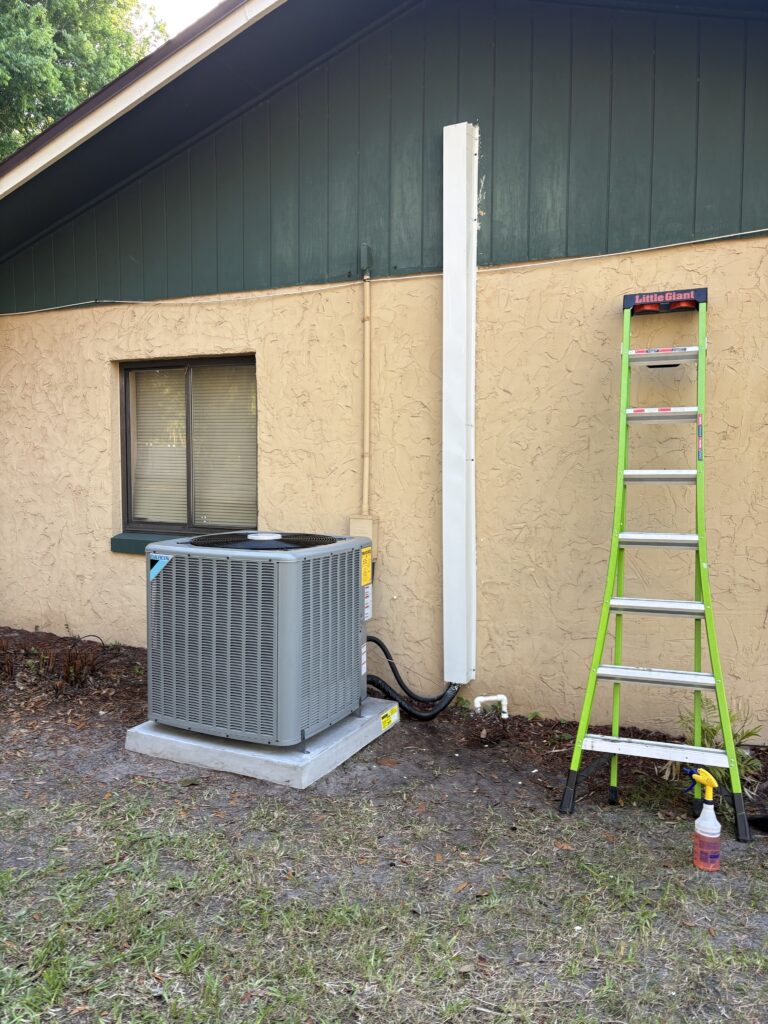
Quality repairs make all the difference when solving uneven cooling problems in two-story Florida homes. Our technicians use professional-grade materials and proven techniques for every job we complete. Duct sealing gets done with mastic and metal tape that hold up in attic temperatures. Insulation upgrades use the right R-value materials installed to manufacturer specifications. Equipment installation follows industry best practices for refrigerant charge, electrical connections, and airflow setup. The quality of the work directly affects how well your system performs for years to come.
Daikin Pro, Mitsubishi Diamond, and Navien certifications mean Sol Aire Air Conditioning installs and services the top equipment in the industry. These certifications require ongoing training and adherence to strict installation standards. Customers benefit from extended warranties and confidence that their equipment gets installed correctly. We stay current on the latest technology and techniques to provide the best service possible. The investment in training and certification translates directly into better outcomes for our customers. You can trust the workmanship to deliver the comfort improvements you expect.
Every repair and installation comes with our commitment to customer satisfaction. We follow up after the work is complete to verify the system performs as expected. Adjustments and refinements happen at no additional cost when needed to achieve the desired results. Old-fashioned customer service with clear communication keeps our customers happy long after the initial service call. Sol Aire Air Conditioning builds lasting relationships with Central Florida homeowners through honest work and reliable service.
Why Choose Sol Aire Air Conditioning to Fix Why Your Upstairs Is Always Hotter Than Downstairs
Sol Aire Air Conditioning combines technical expertise with old-fashioned customer service to solve the toughest HVAC problems in Central Florida. Our licensed and insured team serves homeowners in Sanford, Lake Mary, Oviedo, Winter Springs, and surrounding communities. The combination of experience, certifications, and genuine care for our customers produces the results you need. We treat every home like our own and recommend only the work that delivers real value. The investment in our services pays back through better comfort, lower bills, and longer equipment life.
Free estimates and financing options remove the barriers to fixing your upstairs cooling problems. We provide detailed proposals that explain the work, the costs, and the expected benefits. Financing options spread the investment over manageable monthly payments that often match or beat your current energy bills. The improvements in comfort and efficiency start immediately after the work is complete. You enjoy the benefits while paying for the upgrades over time. This approach makes quality HVAC improvements accessible to more Central Florida homeowners.
Call Sol Aire Air Conditioning at (407) 789-4000 to schedule your free estimate today. Email us at service@solaireac.com or visit our location at 4380 St Johns Parkway Suite 120 in Sanford, Florida. Our team responds quickly to service calls and provides the same quality work to every customer. The combination of skilled technicians, quality materials, and honest service makes Sol Aire Air Conditioning the right choice for solving why your upstairs is always hotter than downstairs. Contact us today to start enjoying balanced temperatures throughout your home.