
How To Prepare Your AC For Hurricane Season
Hurricane season in Central Florida runs from June 1 through November 30, and your air conditioning system sits directly in the path of high winds, flooding rain, flying debris, and power surges. Homeowners in Sanford, Lake Mary, Oviedo, and surrounding Seminole County communities know the damage a single storm can cause to an outdoor condenser unit, and the cost of replacing an AC system after a hurricane is far higher than the cost of preparing it ahead of time. Preparing your AC for hurricane season protects your investment, keeps your family cool during the humid summer months, and reduces the chance of costly repairs after a storm passes through. The steps below cover everything from securing the outdoor unit to surge protection, drainage, and post-storm inspections. A well-prepared HVAC system handles tropical weather far better than one left unprotected, and the difference often comes down to a few hours of preparation. Taking action before the first named storm forms gives you peace of mind through the entire season. Sol Aire Air Conditioning helps Florida homeowners get storm-ready with practical, code-compliant preparation services.
Why Hurricane Season Preparation Matters for Your Florida AC System
Florida hurricanes bring sustained winds over 74 miles per hour, torrential rainfall, and storm surges that can flood entire neighborhoods within hours. Your outdoor condenser sits exposed to all of it, and even a category one storm can launch tree limbs, patio furniture, and roof shingles into the coil fins at high speed. Power outages during hurricanes also create voltage spikes when electricity is restored, and those surges damage compressors, capacitors, and circuit boards inside both the indoor and outdoor units. Flooding pushes water into the electrical components and can short out the entire system. Preparing your AC for hurricane season addresses each of these risks with simple, proven steps. The goal is to reduce damage, protect electrical components, and give your system the best chance of running normally once the storm clears. Homeowners who skip preparation often face repair bills in the thousands, while prepared homes typically come through with minimal issues.
Hurricane Season Risks That Damage Your AC System
High winds are the most obvious threat to your AC system during hurricane season, and they cause damage in two main ways. Direct wind pressure can shift or topple an outdoor unit that is not properly secured to its concrete pad, breaking refrigerant lines and electrical connections in the process. Flying debris is even more dangerous; palm fronds, roof tiles, lawn ornaments, and broken tree branches turn into projectiles that bend the delicate aluminum coil fins on your condenser. Bent fins restrict airflow across the coil, which forces the compressor to work harder, raises your electric bill, and shortens the lifespan of the entire system. Even small dents in the cabinet can crack internal copper tubing and cause refrigerant leaks. Securing the area around your condenser before a storm is one of the most important hurricane preparation steps you can take.
Flooding during hurricane season creates a different category of damage that often goes unnoticed until the system fails. Storm surge and heavy rainfall can submerge an outdoor unit, and water inside the electrical compartment corrodes contactor points, fries the capacitor, and ruins the control board. Even after the water recedes, salt residue and mud continue to corrode components for weeks or months. Indoor air handlers in garages or low-lying utility rooms face similar flood risks. Once floodwater enters an air handler, the blower motor, evaporator coil, and ductwork all become contaminated and may need replacement. Lifting equipment, sealing low-lying access points, and knowing how to shut off power quickly all reduce flood damage risk during hurricane season.
Power surges represent the third major hurricane threat to your AC system, and they often cause the most expensive repairs. Lightning strikes, downed power lines, and the sudden restoration of electricity after an outage all send voltage spikes through your home’s wiring. Modern HVAC systems contain sensitive electronic components in the thermostat, control board, variable-speed motor, and inverter-driven compressor, and any of these can fail from a single surge event. The compressor itself is the most expensive component in your AC system, often costing thousands of dollars to replace. Whole-home surge protection combined with a dedicated HVAC surge protector at the disconnect provides the best defense against electrical damage during hurricane season. Many homeowners only learn about surge risk after losing a compressor to a nearby lightning strike.
Why Florida Homeowners Need Hurricane Season AC Preparation
Florida leads the nation in hurricane landfalls, and Central Florida sits in a corridor that has seen major storms cross from both the Atlantic and Gulf coasts. Sanford, Lake Mary, Oviedo, Winter Springs, and the rest of Seminole County have all experienced significant hurricane damage in recent years, and the trend toward stronger, wetter storms continues. Your AC system represents one of the largest mechanical investments in your home, often valued between five thousand and fifteen thousand dollars to replace. Insurance policies cover some hurricane-related AC damage, but deductibles are high, claims take weeks to process, and many policies exclude flood damage entirely. Preparing your system in advance is the most reliable way to protect your investment.
Beyond the cost of equipment replacement, a damaged AC system creates immediate comfort and health problems for your family. Florida summer humidity stays above 70 percent for months at a time, and a home without working air conditioning quickly develops mold and mildew issues that affect indoor air quality. Pets, elderly family members, and young children face real health risks from prolonged exposure to heat and humidity after a storm. Hurricane season preparation keeps your AC running when you need it most, often within hours of power restoration rather than weeks of waiting for parts and repairs. The comfort and safety benefits alone justify the time spent on preparation.
Insurance and warranty considerations also make hurricane preparation worthwhile for Florida homeowners. Many manufacturer warranties require proof of regular maintenance and reasonable storm precautions, and damage caused by negligence may not be covered. Documentation of your preparation steps, including photos of secured equipment and surge protection installation, supports any future warranty or insurance claim. Some insurance carriers offer discounts for homes with whole-home surge protection and properly secured HVAC equipment. Working with a licensed Florida HVAC contractor ensures your preparation meets code requirements and manufacturer specifications. Need help getting your system storm-ready? Click here for our air conditioning services.
Step By Step Guide To Prepare Your AC For Hurricane Season
Preparing your AC for hurricane season follows a logical sequence that addresses each major risk category in order. The work breaks down into outdoor unit protection, electrical and surge defense, drainage and flood prevention, and indoor system readiness. Most homeowners can handle the basic steps themselves, though professional inspection and surge protector installation should be left to a licensed HVAC contractor. The best time to start is in May, before the official June 1 start of hurricane season, when supplies are still available and technicians have open schedules. Waiting until a named storm is in the forecast leads to rushed work, sold-out materials, and unavailable service appointments. A complete hurricane preparation checklist covers every part of the system from the thermostat to the condenser pad. Following the steps below gives your AC system the best possible chance of surviving the season undamaged.
Securing The Outdoor AC Unit For Hurricane Season
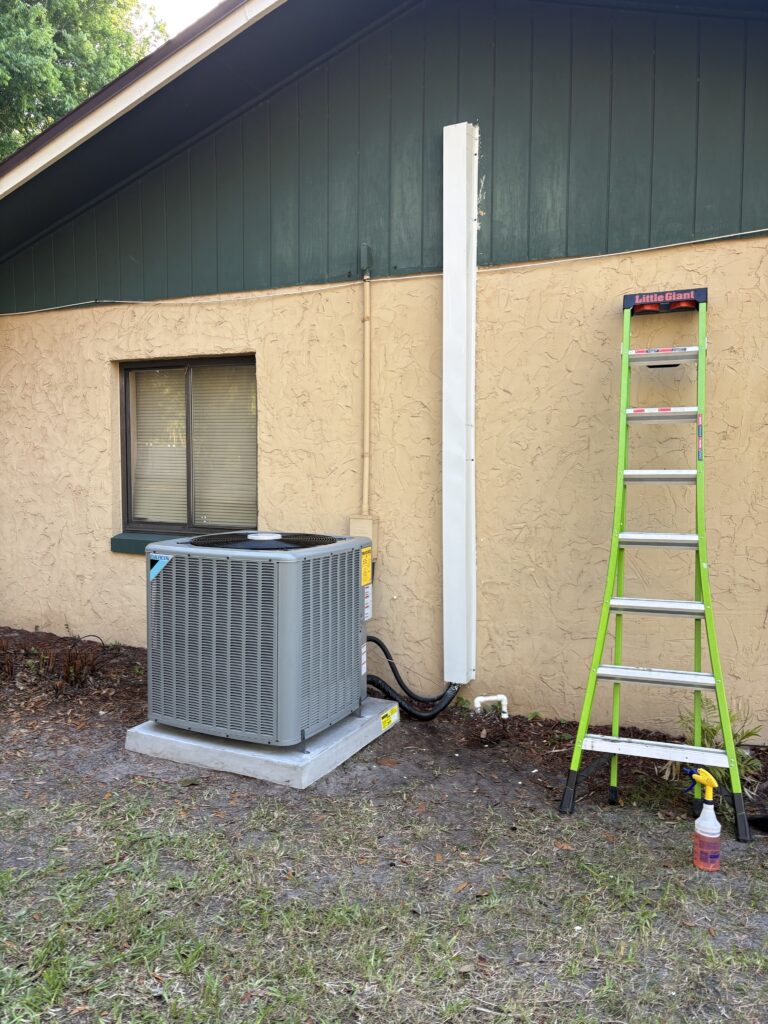
Securing the outdoor condenser unit is the single most important hurricane preparation step for your AC system. Start by inspecting the concrete or composite pad the unit sits on; it should be level, intact, and free of cracks or erosion underneath. Hurricane straps or tie-down kits anchor the condenser to the pad and resist wind uplift, and Florida building code requires them on new installations in most areas. If your existing unit lacks proper hurricane straps, have a licensed HVAC contractor install them well before storm season arrives. Check that all cabinet panels are secure and that no screws are missing from the access doors. A loose panel becomes a projectile in high winds and exposes the internal components to rain and debris.
Clearing the area around the outdoor unit reduces debris damage during hurricane season. Trim back tree branches, palm fronds, and shrubs so that nothing within fifteen feet of the unit can break off and strike the cabinet. Remove lawn furniture, planters, grills, garbage cans, and decorative items from the yard before a storm arrives, since any of these can become high-speed projectiles in hurricane winds. Store loose items in the garage or a secured shed, and never tie them to the AC unit itself. A clean, open area around the condenser also makes post-storm inspection and service work much easier. Maintaining clearance year-round supports normal airflow and reduces hurricane risk at the same time.
Covering the outdoor unit during a storm is a topic that generates some confusion among Florida homeowners. A proper hurricane cover protects the top of the unit from falling debris, but it should never be a full wrap that traps moisture against the cabinet. Run the AC normally right up until you lose power or until winds approach tropical storm strength, then shut the system off at the thermostat and the outdoor disconnect. Install the cover only after the system is off, and remove it immediately after the storm passes. Leaving a cover on during normal operation causes the compressor to overheat and traps humidity that promotes corrosion. Some homeowners use plywood shields anchored to the ground on the windward side of the unit, which deflects debris without restricting airflow during operation.
Electrical Protection And Surge Defense For Hurricane Season
Electrical protection is the second major component of hurricane season AC preparation, and surge protection is the most cost-effective upgrade you can make. A whole-home surge protector installed at the main electrical panel by a licensed electrician stops most voltage spikes before they reach your HVAC system. A second, dedicated HVAC surge protector installed at the outdoor disconnect adds another layer of defense specifically for the compressor and condenser fan motor. Together, these two devices cost a fraction of a new compressor and protect against lightning strikes, utility surges, and the spikes that occur when power is restored after an outage. Many newer Daikin and Mitsubishi systems include some surge tolerance, but external protection is still strongly recommended for Florida installations.
Knowing how to shut off power to your AC system before a storm is a basic hurricane preparation skill every Florida homeowner should learn. The outdoor disconnect box is mounted on the wall near the condenser, and it contains either a pull-out block or a switch that cuts power to the unit. Shutting off the outdoor disconnect before the storm prevents damage from surges and stops the system from trying to restart during unstable power conditions. You should also turn the thermostat to the off position and switch off the indoor breaker for the air handler at the main electrical panel. Label the breakers clearly so any family member can find them quickly. Practice the shutdown sequence once before the season starts so it becomes routine.
Backup power and generator considerations also factor into hurricane season electrical planning. Portable generators rarely have enough capacity to run a central AC system, and connecting one improperly can damage both the generator and the HVAC equipment. Whole-home standby generators sized correctly can power the AC, and they restart automatically when utility power fails. If you plan to use a generator with your HVAC system, have a licensed electrician install a transfer switch and verify the generator capacity matches your system requirements. Never plug an AC unit directly into a portable generator with an extension cord. Click here for our thermostat services if you need a smart thermostat that supports safe storm shutdown and remote monitoring.
Drainage Flood Prevention And Indoor System Readiness
Drainage and flood prevention round out the hurricane season AC preparation checklist for Florida homes. Clear the condensate drain line on your indoor air handler before the season starts, since clogged drain lines cause water to back up into the air handler and overflow during the heavy rain events common in tropical weather. A simple flush with a wet-dry vacuum at the outdoor drain termination point removes algae buildup, and a cup of distilled vinegar poured into the drain access port keeps the line clear for weeks. Check that the drain pan under the air handler is intact and that the float switch operates correctly. Verify that gutters and downspouts direct rainwater away from the outdoor condenser pad. Poor site drainage allows water to pool around the condenser and increases flood damage risk.
Indoor system readiness includes the air handler, ductwork, and thermostat, all of which need attention before hurricane season. Replace the air filter with a fresh one so the system runs efficiently if you need it during partial power outages. Inspect the air handler for signs of rust, water staining, or damaged insulation, and address any issues with a licensed HVAC technician before the season peaks. If your air handler sits in a garage or low-lying area, consider raising it on a platform or installing a water alarm to alert you to flooding. Document the model and serial numbers of your indoor and outdoor units, along with photos of the equipment, for insurance purposes. Store this information in a waterproof container or cloud storage account.
Ductwork and attic considerations also matter during hurricane season preparation. Check for any disconnected duct sections, loose vents, or damaged insulation in the attic, since hurricane winds can shift roof structures and stress ductwork connections. Sealed, well-supported ducts perform better during the high-humidity period that follows a storm. If your home has exposed ductwork in a garage or crawlspace, verify that all hangers and straps are tight. Indoor air quality drops quickly after a storm, especially if windows or doors are damaged, and a clean, intact duct system helps your AC remove humidity faster once power returns. Click here for our air duct services for a professional duct inspection before hurricane season starts.
Why You Need Professional Hurricane Season AC Preparation From Sol Aire
Professional hurricane season AC preparation goes beyond what most homeowners can do on their own, and it makes a measurable difference in how your system performs during and after a storm. A licensed HVAC contractor inspects components you may not know to check, installs surge protection to code, verifies hurricane strap compliance, and documents the condition of your system for warranty and insurance purposes. Sol Aire Air Conditioning serves homeowners across Sanford, Lake Mary, Oviedo, Winter Springs, Heathrow, Longwood, and the rest of Seminole and Volusia counties with hurricane preparation services backed by over 50 years of combined industry experience. Our background-checked technicians arrive on time, explain every step, and never pressure you into unnecessary work. Free estimates and honest recommendations are part of every visit. We help Florida families face hurricane season with confidence.
Pre-Season AC Inspection And Tune-Up For Hurricane Readiness
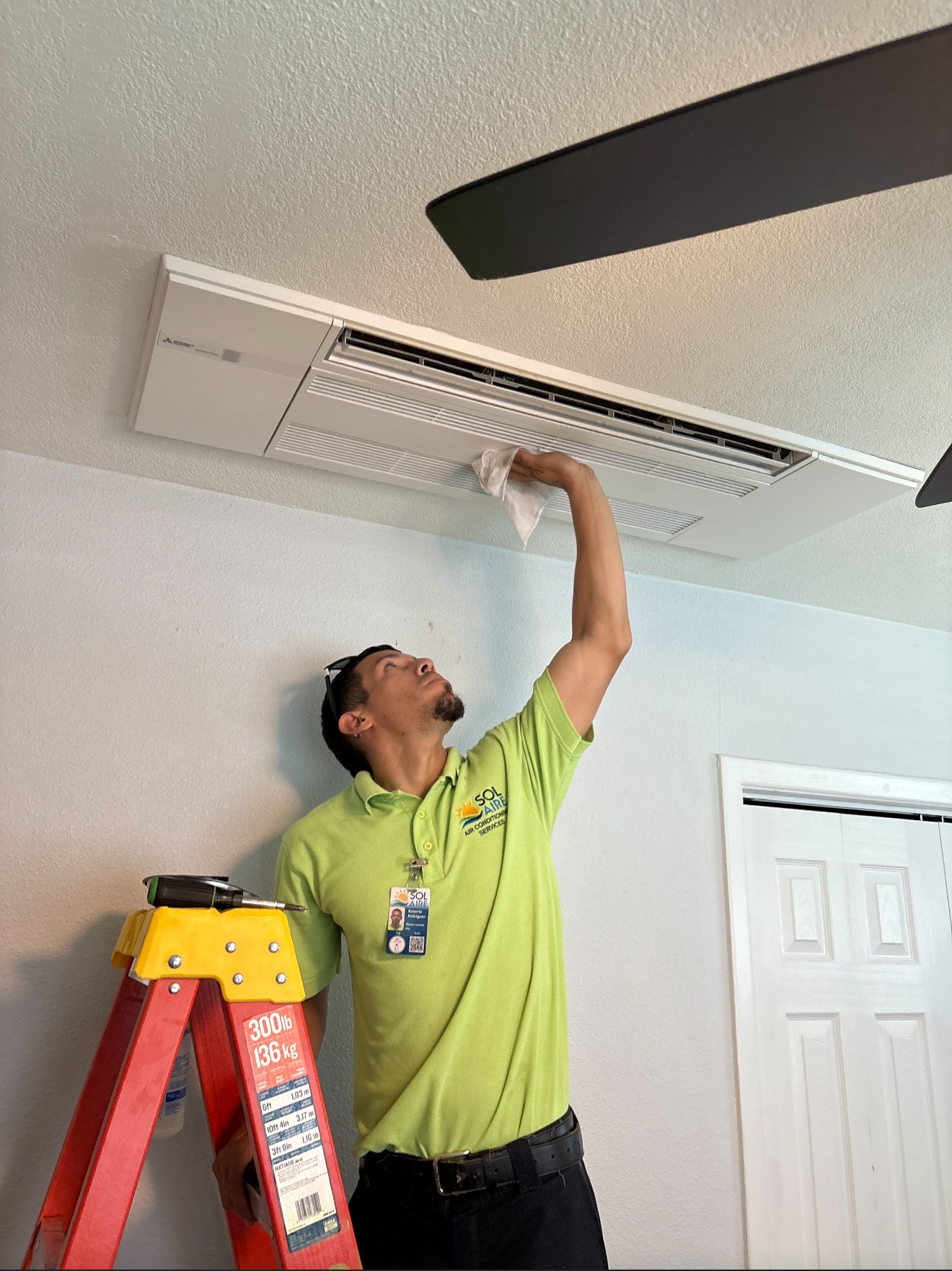
A pre-season AC inspection from Sol Aire identifies weaknesses in your system before hurricane season arrives, and it includes every checkpoint that matters for storm readiness. Our technicians inspect the outdoor condenser pad, hurricane straps, electrical connections, refrigerant levels, and capacitor health during a complete tune-up. We clean the coils, flush the condensate drain line, and verify that the float switch operates correctly. Any worn components get flagged for replacement before the season starts, when parts are still available and prices are stable. A documented inspection report supports insurance and warranty claims if storm damage occurs later.
The tune-up portion of pre-season service restores your AC system to peak efficiency, which matters when grid power is unstable and every watt counts. A clean, properly charged system uses less electricity, runs quieter, and removes humidity more effectively than a neglected one. We check airflow at every supply register, calibrate the thermostat, and confirm that the system cycles correctly under load. Daikin Pro, Mitsubishi Diamond, and Navien certified service means your equipment receives factory-approved care from technicians trained on your specific brand. Manufacturer warranties stay intact when service is performed by certified contractors.
Scheduling a pre-season inspection in April or May avoids the rush that hits every Florida HVAC company once named storms appear in the forecast. Early scheduling means flexible appointment times, faster service, and the ability to address any major issues without panic. Sol Aire offers free estimates on repair and replacement work identified during the inspection, with no pressure to upgrade. Financing options are available for larger projects so hurricane preparation never strains your budget. Old fashioned customer service with clear communication is what we deliver on every call.
Surge Protection And Hurricane Strap Installation Services
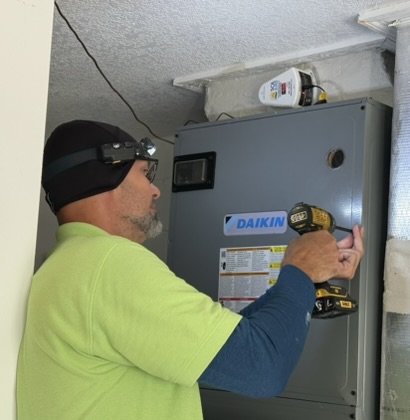
Surge protection installation is one of the highest-value services we offer for hurricane season preparation, and it pays for itself the first time lightning strikes near your home. Sol Aire installs whole-home surge protectors at the main electrical panel and dedicated HVAC surge devices at the outdoor disconnect. Both devices meet current Florida electrical code and integrate with your existing equipment without modification. Installation typically takes under two hours, and the protection lasts for years before any indicator lights signal the need for replacement. Surge protection is one of the smartest hurricane investments a Florida homeowner can make.
Hurricane strap installation and pad inspection ensure your outdoor condenser stays in place during high winds. Our technicians verify that the existing pad is level and sound, then install code-compliant tie-down kits rated for hurricane-force winds. Older installations often lack proper anchoring, and a few hours of work brings them up to current standards. We also inspect the refrigerant line set, electrical whip, and disconnect box for any wind-vulnerable connections that need reinforcement. A properly secured outdoor unit handles tropical weather far better than an unsecured one.
Combined surge protection and strap installation gives your AC system a complete hurricane defense package, and Sol Aire bundles these services at competitive prices. Licensed and insured work means the job is done right and backed by full contractor protection. Our team explains every component and shows you exactly what was installed and why. Documentation and photos are provided for your records and any future insurance correspondence. Background checked technicians give Florida families peace of mind when allowing service professionals into their homes.
Why Choose Sol Aire Air Conditioning For Hurricane Season AC Preparation
Sol Aire Air Conditioning brings over 50 years of combined industry experience to every hurricane preparation project across Central Florida. We are a licensed and insured Florida HVAC contractor, a Daikin Pro, Mitsubishi Diamond, and Navien certified dealer, and a company built on old fashioned customer service with clear communication. Free estimates with honest, no pressure recommendations are part of every visit, and financing options make larger projects manageable. Background checked technicians arrive in uniform, on time, and ready to explain every step of the work. Florida homeowners trust us because we treat their homes and budgets with respect.
Our service area covers Sanford, Lake Mary, Oviedo, Winter Springs, Heathrow, Longwood, Altamonte Springs, Casselberry, Chuluota, DeBary, DeLand, Deltona, Geneva, Lake Helen, Orange City, Osteen, Wekiwa Springs, and surrounding communities. Local knowledge of Central Florida weather patterns, building codes, and common installation styles means faster, more accurate service. We know which neighborhoods flood, which areas see the most lightning activity, and how to prepare each home for the specific risks it faces. That local expertise sets Sol Aire apart from national chains and out-of-area contractors.
Ready to prepare your AC for hurricane season? Call Sol Aire Air Conditioning at (407) 789-4000 or email service@solaireac.com to schedule a pre-season inspection, surge protection installation, or complete hurricane readiness package. Our office at 4380 St Johns Pkwy # 120 in Sanford serves Seminole, Volusia, and Orange County homeowners with the same attention to detail and commitment to quality on every job. Hurricane season starts June 1, and the best time to prepare is right now. Let us help your family face the season with confidence, comfort, and peace of mind.