
Is A Furnace Necessary In Central Florida Homes?
If you’ve recently moved to Sanford from a colder part of the country, one of the first questions you may ask when setting up your new home is whether you need a furnace. It’s a fair question, especially after a chilly January night when temperatures drop into the 40s and you realize the air coming out of your vents feels different from what you’re used to. For longtime Florida residents, the answer is usually obvious. For newcomers and first-time homeowners, however, the heating side of the HVAC equation can be genuinely confusing.
The short answer is that traditional furnaces are rarely necessary in Central Florida homes. Our climate simply doesn’t demand the kind of intense, sustained heating output that a furnace is designed to provide. That said, every home still needs some form of reliable heat, and choosing the right heating solution for your Sanford home involves more than just defaulting to whatever the previous owner installed. At Sol Aire Air Conditioning Services, we help homeowners across Central Florida sort through these decisions every winter, and we want to break down exactly what’s needed to stay warm and comfortable in our climate.
Understanding Central Florida’s Heating Needs
Sanford and the surrounding Central Florida area have one of the mildest winter climates in the continental United States. Average January lows hover in the upper 40s to low 50s, while daytime highs in winter typically reach the mid to upper 60s. Most years, you can count the truly cold nights on one or two hands, and significant freezes are rare events that make local news when they happen.
That climate reality completely changes the heating equation compared to homes in Georgia, the Carolinas, or anywhere farther north. While a home in Atlanta might need a powerful, dedicated heating system to handle dozens of nights below freezing each winter, a Sanford home rarely faces sustained cold. Most years, your heat may only run for a few weeks total, and even then it’s typically working against modestly cool outdoor temperatures rather than serious cold. The heating system you actually need looks very different from what works best in colder regions, which is why the standard “furnace plus AC” combination found in most of the country isn’t the standard here.
What Exactly Is a Furnace?
To understand why furnaces aren’t necessary in most Central Florida homes, it helps to know what a furnace actually is and how it differs from other heating options. A furnace is a dedicated heating appliance that generates heat by burning a fuel (typically natural gas, propane, or oil) or by using electric resistance elements. The heated air is then distributed throughout the home via the ductwork system.
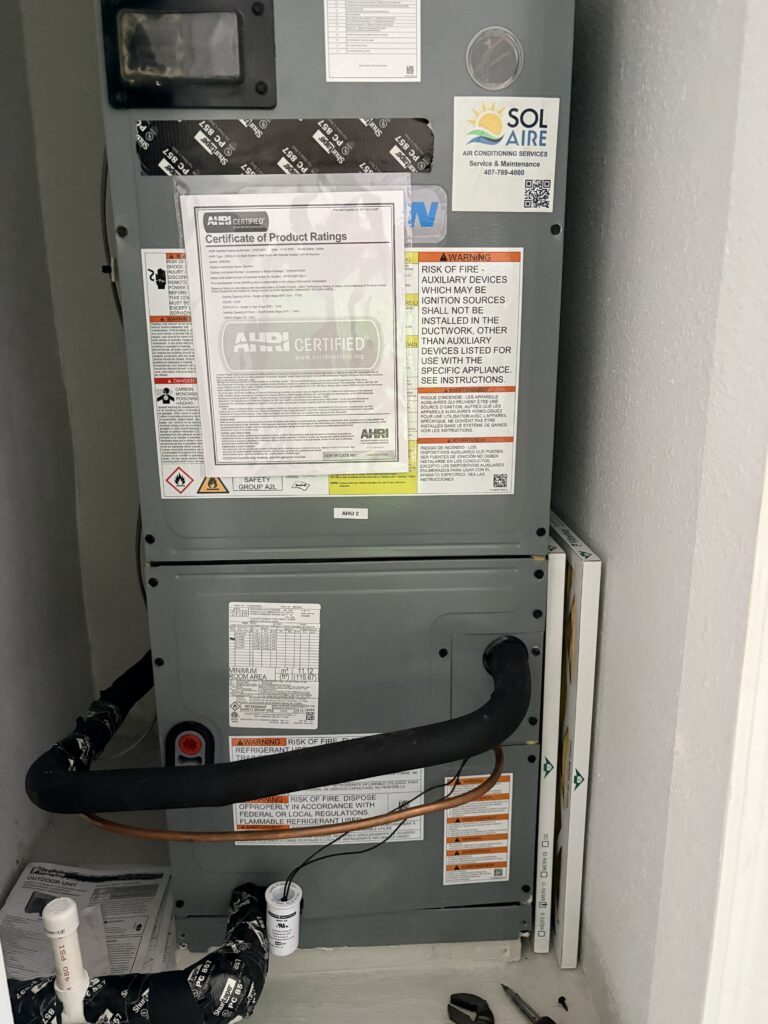
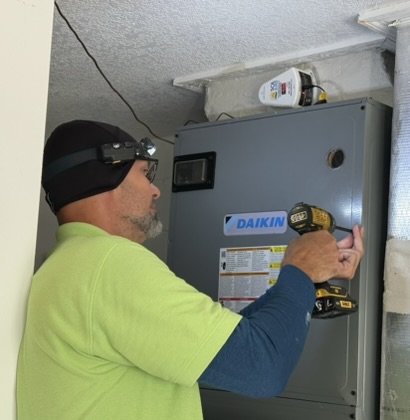
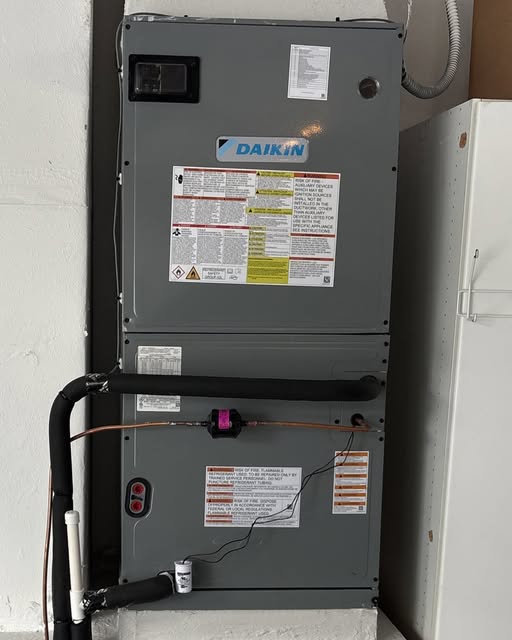
Furnaces excel at producing large amounts of heat quickly, which is exactly what you need in climates where outdoor temperatures stay well below freezing for weeks or months at a time. They’re efficient at converting fuel to heat, they deliver air at high temperatures, and they perform consistently no matter how cold it gets outside. In cold climates, a furnace is often the most cost-effective and reliable heating option available. In Florida, however, those strengths matter much less, because you almost never need that level of heating output for that long.
Why Heat Pumps Are the Heating Standard in Central Florida
The dominant heating solution in Sanford and across Central Florida is the heat pump, and for good reason. A heat pump is essentially an air conditioner that can run in reverse. In the summer, it pulls heat out of your home and moves it outside, cooling the indoor air in the process. In the winter, the cycle reverses, and the system pulls heat from the outside air and moves it inside to warm your home. This works even when outdoor temperatures are quite cool, because there’s always some heat energy in the air for the system to capture.
Heat pumps are remarkably efficient in mild climates. Because they’re moving heat rather than generating it from scratch, they can deliver several times more heat energy than the electrical energy they consume. In a Florida winter, where outdoor temperatures rarely dip below the 40s, a heat pump operates near peak efficiency and provides comfortable, even heating at a fraction of the cost of running a furnace or pure electric heat. They also do double duty, which means you get cooling and heating from a single piece of equipment that takes up less space and requires fewer service calls than separate systems would.
For most Sanford homes, a properly sized heat pump is the right answer for both heating and cooling, and it makes the question of whether to install a furnace largely moot.
How Electric Heat Strips Provide Backup Heat When Needed
Even though heat pumps handle most Central Florida winters with ease, there are occasional cold nights when an extra boost helps. That’s where electric heat strips come in. Heat strips, also called auxiliary heat or emergency heat, are electric resistance heating elements built into the air handler of most heat pump systems. They work like the heating coils in a toaster, generating heat directly from electricity.
When outdoor temperatures drop into the 30s and the heat pump alone can’t quite keep up with the heating demand, the heat strips kick on automatically to supplement the system. You get warm air at the vents within seconds, and the home stays comfortable even on the coldest nights Sanford typically sees. Heat strips use significantly more electricity than the heat pump itself, so they’re not designed to be your primary heating source. However, because Central Florida only sees a handful of nights cold enough to trigger them, the impact on annual energy costs stays modest. For nearly every home in our area, the combination of a heat pump and built-in heat strips provides all the heating capability you’ll ever need.
When a Furnace Might Actually Make Sense in Florida
There are a handful of specific situations where installing a furnace in a Central Florida home might be a reasonable choice, though they’re rare. If your home already has natural gas service and you cook with gas, have a gas water heater, and want to consolidate fuel sources, a gas furnace can sometimes make sense as part of a hybrid system. In those cases, you’d pair the furnace with a heat pump or air conditioner, using the heat pump for most heating needs and the furnace only on the coldest nights.

Some homeowners moving to Florida from colder climates also prefer the feel of warmer air at the vents, which a gas furnace provides. Heat pumps deliver air that’s warm but not hot, typically in the 90 to 100 degree range, while a gas furnace produces air closer to 130 to 140 degrees. That difference in temperature is largely a matter of personal preference rather than actual comfort, but for some people it matters enough to influence the decision. Outside of those niche situations, the costs and complications of installing and maintaining a furnace in a climate where it rarely runs simply don’t pencil out for most Sanford homeowners.
Comparing Costs: Furnace vs Heat Pump for Sanford Homes
The cost comparison between a furnace and a heat pump tilts strongly toward the heat pump for Central Florida homes, both upfront and over the long run. A heat pump system is a single piece of equipment that handles both heating and cooling, while a furnace plus separate air conditioner is essentially two systems that need to be purchased, installed, and maintained. The combined upfront cost of a furnace plus AC is typically higher than a comparable heat pump, and you’ll face more service calls over time because you’re maintaining twice the equipment.
Operating costs also favor heat pumps in our climate. Because heat pumps move heat rather than generate it, they deliver heating at a much lower cost per BTU than gas, propane, oil, or electric resistance heat. In a mild climate where heating demand is limited anyway, the efficiency advantage compounds over the years and produces meaningfully lower utility bills. Add in the fact that most Sanford homes don’t have existing natural gas service, which means installing a gas furnace requires running new gas lines (an expensive proposition), and the math gets even harder to justify.
How Cold Snaps Factor Into Your Heating Decision
Every few years, Central Florida gets hit with a hard cold snap that sends temperatures into the 20s and occasionally lower. These events make headlines and leave people wondering if their heating system can really handle it. The good news is that modern heat pump systems with properly sized backup heat strips handle Florida cold snaps without difficulty. The heat pump keeps running and contributes what heat it can, while the heat strips ramp up to make up the difference and keep your home at the temperature you’ve set.
The key is making sure your system is sized and configured correctly for our climate. A heat pump that’s undersized or has inadequate backup heat may struggle during a hard freeze, but a properly designed system from a quality HVAC contractor will keep you comfortable through anything Central Florida realistically throws at it. Even during the rare multi-day cold events that occur every decade or so, a modern heat pump with electric backup heat will keep your Sanford home warm without needing a separate furnace as part of the equation.
Energy Efficiency in a Mild Climate
Energy efficiency matters in any climate, but it plays out differently in Central Florida than it does in colder regions. Because the bulk of your HVAC energy use here goes to cooling rather than heating, the most important efficiency rating for your system is the SEER2 score, which measures cooling efficiency. Heating efficiency, measured by HSPF2 for heat pumps and AFUE for furnaces, matters far less in our climate simply because the heating side of the system runs so much less than the cooling side.
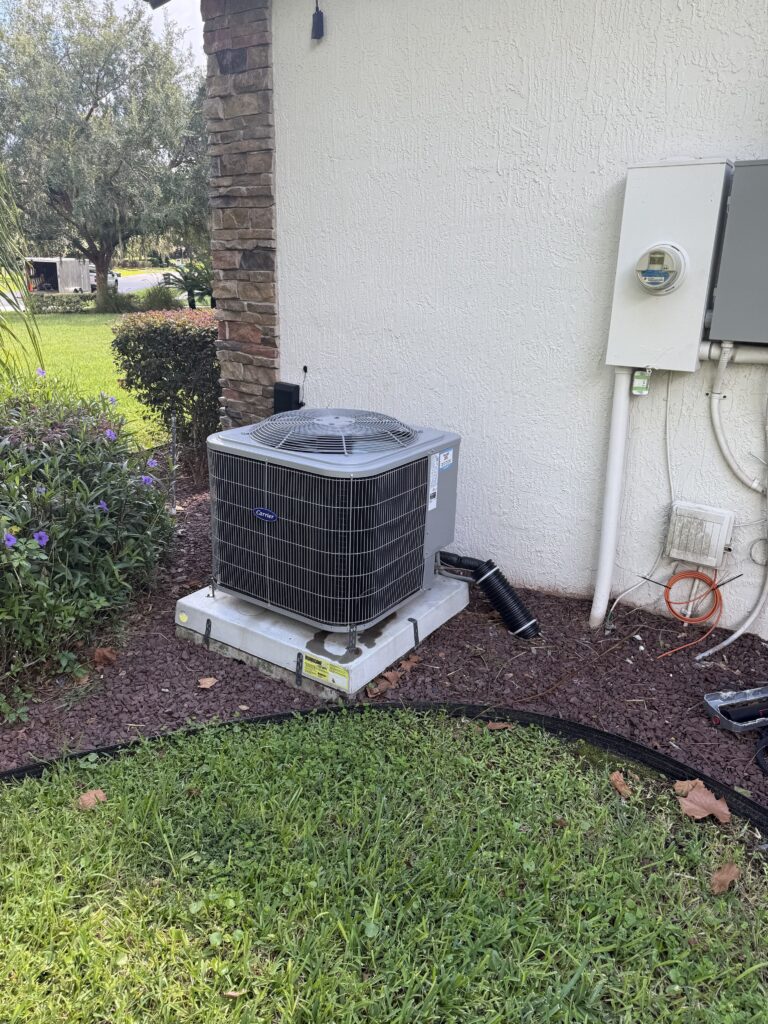
This is another reason heat pumps are the right call for most Sanford homes. A high-efficiency heat pump can deliver excellent SEER2 cooling performance and solid HSPF2 heating performance from a single piece of equipment, all while drawing less electricity than older systems. Modern inverter-driven heat pumps take this even further by running at variable speeds, ramping up and down smoothly to match the exact heating or cooling demand at any given moment. The result is consistent comfort, lower energy bills, and quieter operation than traditional systems can provide.
How to Choose the Right Heating Solution for Your Home
If you’re buying, building, or replacing the HVAC system in a Central Florida home, the heating decision should be made as part of the broader system design rather than as an afterthought. Start by considering what you already have. If your existing system is a heat pump that’s been working well, replacing it with another heat pump is almost always the right move. If your existing system is an older furnace and AC combination, this is a great opportunity to consider whether switching to a heat pump makes sense (it usually does).
Think about your specific home and lifestyle as well. Larger homes with multiple zones may benefit from more sophisticated equipment than a small bungalow. Homes with poor insulation or aging windows have higher heating and cooling loads and may need to address those underlying issues alongside the HVAC system itself. If you have specific preferences about how warm the air feels at the vents or how quickly the system reaches your set temperature, those preferences should factor into the equipment selection.
Most importantly, work with an HVAC contractor who genuinely understands the Central Florida climate and won’t just sell you whatever they have on the truck. A qualified technician will perform a load calculation, walk through your options, and help you choose equipment that fits your home, your budget, and the way you actually live.
At Sol Aire Air Conditioning Services, we’ve spent years helping Sanford homeowners make smart heating and cooling decisions for the Central Florida climate. We know what works here, what doesn’t, and how to design a system that delivers reliable comfort through every season without driving up your energy bills. Whether you’re installing a new heat pump, replacing an aging system, or just trying to figure out if your current setup is right for your home, we’re here to help.
Our experienced technicians will evaluate your home, explain your options in clear language, and recommend the heating and cooling solution that fits your specific needs. We don’t push furnaces on homeowners who don’t need them, and we don’t undersize equipment to win a bid. We focus on doing the job right the first time, so your system performs the way it should for years to come.
If you have questions about heating your Sanford home or you’re ready to upgrade your HVAC system, contact Sol Aire Air Conditioning Services today. We’ll schedule a free in-home consultation, answer your questions honestly, and provide a transparent quote for the right equipment. Comfort in Central Florida doesn’t require a furnace, but it does require the right system installed by people who know what they’re doing.