
How Long Does A Central AC System Really Last In Florida
Central air conditioning works harder in Florida than almost anywhere else in the country. The heat starts early, the humidity lingers, and cooling season can stretch across eight or nine months of the year. That constant demand puts real stress on every part of your system, from the compressor to the coils. Many homeowners assume their unit will last as long as the units they read about in national averages, then feel surprised when it fades sooner. The truth is that the Florida climate changes the math on system lifespan in meaningful ways. This guide walks through how long a central AC system really lasts in the Sunshine State, what wears it down, and how you can protect your investment. You will also learn the warning signs that point toward replacement so you can plan ahead instead of reacting to a breakdown during the hottest week of the year. A little knowledge now keeps you comfortable and in control later.
How Long A Central AC System Lasts In Florida And What Shortens It
A central AC system in Florida usually lasts somewhere between 10 and 15 years, which sits below the national average of 15 to 20 years. That gap exists because Florida units run far more hours each season than units in cooler states. The compressor, the condenser fan, and the evaporator coil all age faster when they rarely get a break. Coastal salt air, standing humidity, and hard water can speed up corrosion on outdoor components. Installation quality and sizing also play a large role, since an oversized or poorly installed unit tends to short cycle and wear out early. Understanding these factors helps you set realistic expectations and make smarter choices about repair or replacement. The details below explain each piece so you know exactly what to watch.
The Average Central AC System Lifespan In Florida
The national average often cited for a central AC system falls between 15 and 20 years, but that figure assumes moderate use in a temperate climate. Florida rarely offers moderate use, because the cooling season here can run from March all the way into November. During those months, the system often cycles on many times a day and stays on for long stretches during afternoon peaks. All of that runtime adds up quickly, and the internal parts accumulate wear at a faster pace. As a result, most homeowners in Central Florida see a functional lifespan closer to 10 to 15 years. Some well maintained units push past that range, while neglected units fall short of it. Knowing this range helps you avoid the shock of an early failure and lets you budget for a future replacement with less stress.
Lifespan also depends heavily on the type of equipment you own and how it was installed. A high quality inverter driven system with a variable speed compressor often handles Florida heat more gently than a basic single stage unit. Variable speed equipment runs at lower capacity for longer periods, which reduces the hard starts that stress a compressor. Proper refrigerant charge and airflow at installation set the foundation for a long service life. When a system is charged incorrectly or paired with restrictive ductwork, the compressor works harder than it should. That extra strain shows up years later as premature failure. This is why the brand on the label matters less than the skill of the team that installed and maintains the equipment.
Your thermostat habits influence lifespan more than many homeowners realize. Setting the temperature extremely low during a heat wave forces the system to run almost continuously without ever reaching the target. That kind of endless runtime generates heat inside the compressor and accelerates wear on every moving part. A steady, moderate setting paired with ceiling fans reduces the load and gives the system regular rest periods. A smart or programmable thermostat can automate those setbacks and protect the equipment over time. If you want help selecting the right control for your home, click here for our thermostat services. Small adjustments today translate into extra years of reliable cooling later.
What Shortens A Central AC System Lifespan In Florida
Several everyday factors quietly shorten the life of a central AC system in Florida homes. The most common culprit is skipped maintenance, because a dirty system runs hotter and works harder than a clean one. When the condenser coil clogs with dirt, grass clippings, and pollen, the unit struggles to release heat outdoors. A clogged evaporator coil restricts airflow and can cause the coil to freeze during humid weather. Both problems raise operating temperatures and push the compressor toward early failure. Regular cleaning and inspection remove these stressors before they cause lasting damage. Homeowners who invest in seasonal service almost always get more years out of their equipment.
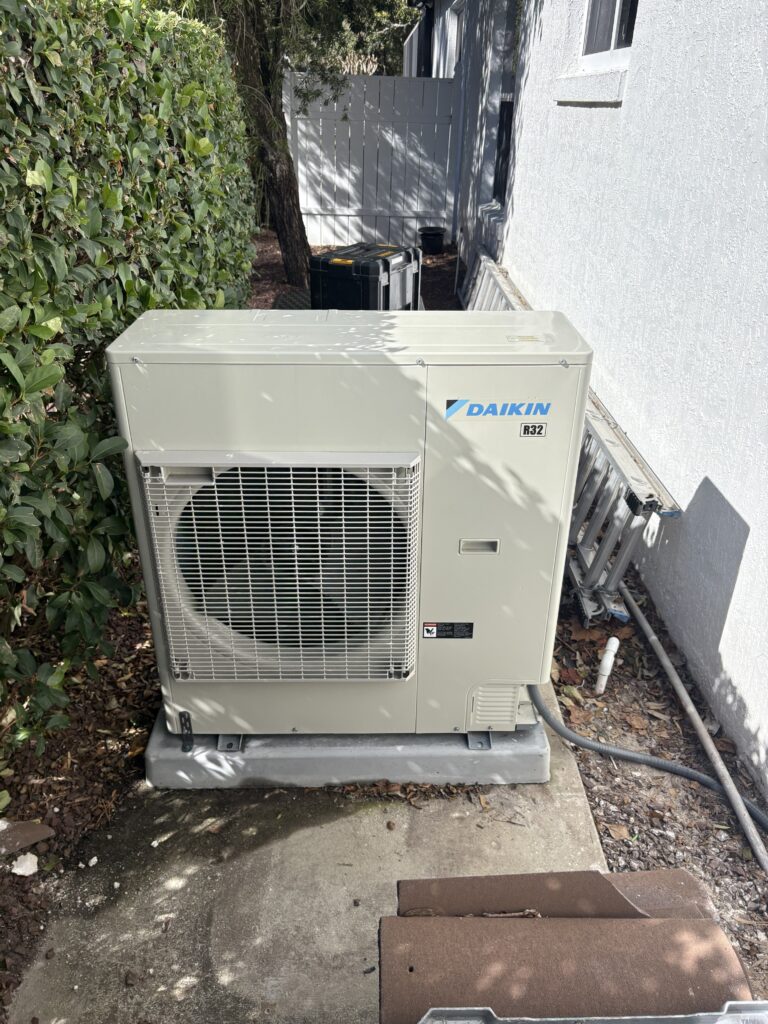
Refrigerant problems represent another major cause of shortened lifespan. A slow leak lowers the charge in the system, which forces the compressor to run under strain and overheat. Low refrigerant also reduces cooling capacity, so the unit runs longer to reach the same temperature. Left unaddressed, a leak can burn out a compressor and turn a small repair into a full replacement. Older systems that still use R22 refrigerant face an added challenge, since that refrigerant is no longer produced and has become expensive. Newer systems use R410A or the latest lower emission refrigerants that entered the market in recent years. Catching leaks early through professional service protects both the compressor and your budget.
Electrical issues and poor airflow round out the list of lifespan killers. Weak capacitors, failing contactors, and loose connections make the system work harder and can damage the compressor motor over time. Restricted airflow from dirty filters or crushed ducts forces the blower to overwork and starves the coil of the air it needs. Standing water in a clogged condensate drain can back up, damage components, and promote mold growth. Each of these problems is easy to prevent with routine attention. Want to keep your ductwork clear and efficient? Click here for our air duct services. Addressing airflow early keeps the whole system healthier for the long haul.
How Florida Heat And Humidity Affect A Central AC System Lifespan
Florida heat is relentless, and that heat is the single biggest reason local systems age faster than the national average. Outdoor temperatures in the nineties combined with intense sun push the condenser to work at maximum effort for hours at a time. The compressor, which acts as the heart of the system, generates its own heat while running and depends on efficient heat rejection to stay healthy. When the outdoor unit sits in full sun or gets crowded by shrubs, that heat rejection suffers. High head pressure builds inside the system and shortens compressor life. Simple steps like keeping the area around the condenser clear and lightly shaded make a measurable difference. The cooler the system can run, the longer it tends to last.
Humidity places a second heavy load on Florida cooling systems. A big part of an air conditioner’s job in this climate is pulling moisture out of the indoor air, not just lowering the temperature. That moisture removal requires the coil to run cold enough to condense water, which adds to runtime and drains energy. High indoor humidity also encourages mold and mildew on coils and in ductwork, which can restrict airflow and reduce efficiency. A properly sized system dehumidifies well, while an oversized unit cools the air quickly, shuts off, and leaves the room clammy. That short cycling wears out parts and fails to control moisture. Balancing temperature and humidity is a core reason Florida systems need expert sizing and care.
Summer storms and power fluctuations add another layer of stress unique to the region. Lightning strikes and grid surges can damage the delicate electronics inside modern variable speed systems. Frequent brownouts force compressors to restart under difficult conditions, which strains the motor windings. Salt air near the coast corrodes aluminum fins and copper lines, though inland homes face less of this issue. Heavy afternoon rain can flood poorly placed condensate drains and outdoor units. A surge protector on the outdoor unit and proper drainage go a long way toward preventing storm related damage. Planning for these seasonal realities helps your system survive many Florida summers.
How To Make A Central AC System Last Longer In Florida
The good news is that a central AC system can reach and even exceed the upper end of its expected lifespan with the right care. Most of the wear that shortens equipment life comes from problems that are preventable with routine service. A clean system runs cooler, uses less energy, and places far less strain on the compressor. Catching small issues early, such as a weak capacitor or a low refrigerant charge, stops them from cascading into major failures. Smart operating habits and a well maintained duct system round out the strategy. The sections below break down the specific steps that add years to your equipment and help you decide when replacement finally makes sense. A little planning now saves both money and comfort during peak summer heat.
Regular Maintenance That Extends A Central AC System Lifespan
Seasonal maintenance is the most reliable way to extend the lifespan of a central AC system in Florida. A professional tune up includes cleaning the condenser and evaporator coils so the system can shed heat efficiently. The technician checks the refrigerant charge, since both low and high charges harm the compressor over time. Electrical components such as capacitors and contactors get tested and replaced before they fail on a hot afternoon. The blower and its motor are inspected for wear, and the condensate drain is cleared to prevent water damage. Airflow readings confirm that the system breathes properly through the ducts and filters. This yearly attention catches trouble early and keeps every part working within safe limits.
Filter changes are the simplest task a homeowner can handle, and they matter more than most people expect. A clogged filter restricts airflow, which forces the blower to work harder and can freeze the evaporator coil. Frozen coils cut off cooling and can flood the drain pan when the ice melts. In Florida’s dusty and pollen heavy environment, filters often need attention every one to three months. Checking the filter monthly during peak season keeps the airflow strong and the coil clean. A clean filter also improves indoor air quality by trapping dust and allergens. This one habit protects both your comfort and the health of your equipment.
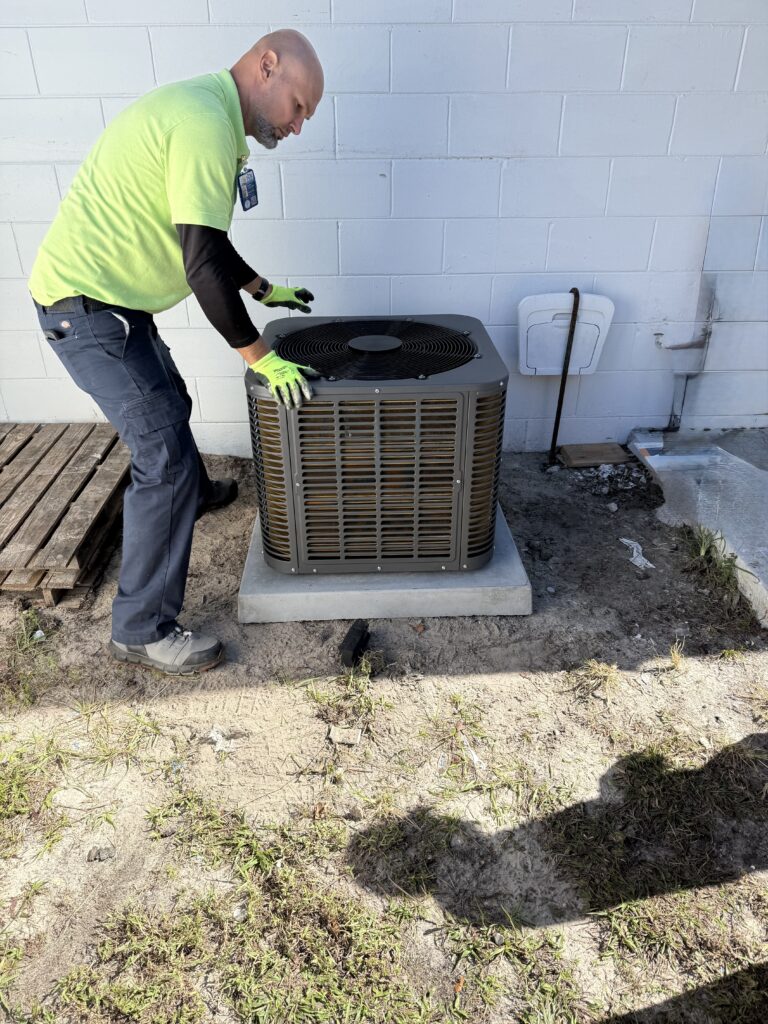
Keeping the outdoor unit clean and clear adds meaningful years to the system as well. Grass clippings, leaves, and dirt collect in the condenser fins and block the airflow that cools the refrigerant. Trimming plants back at least two feet on all sides gives the unit room to breathe. Gently rinsing the fins with a garden hose removes buildup, though care is needed to avoid bending the delicate metal. Homeowners should also make sure the unit sits level so the compressor and drainage work correctly. Scheduling professional maintenance twice a year, once before summer and once in fall, keeps performance high. A small investment in cleaning and service returns many extra summers of reliable cooling.
Signs Your Central AC System Is Near The End Of Its Lifespan
Certain warning signs tell you a central AC system is approaching the end of its useful lifespan. Rising energy bills without a change in your habits often signal declining efficiency inside an aging unit. As parts wear, the system uses more electricity to deliver the same amount of cooling. Frequent repairs are another red flag, especially when the cost of fixes starts climbing each year. A helpful rule is to compare the repair cost against the age of the unit, since major repairs on a system older than ten years rarely make financial sense. Weak airflow, warm air from the vents, and uneven cooling between rooms all point toward a struggling system. When these problems appear together, replacement usually becomes the smarter path.
Humidity problems inside the home are a strong clue that an aging system is losing capacity. A healthy unit keeps indoor humidity comfortable, while a failing one leaves the air feeling sticky even when the temperature reads correctly. Strange noises such as grinding, banging, or loud clicking suggest worn bearings, a failing compressor, or loose parts. Foul or musty odors can indicate mold growth on coils or in ducts that a tired system can no longer control. Short cycling, where the unit turns on and off rapidly, wears out components and hints at deeper trouble. Ice on the refrigerant lines or coil during operation points to airflow or refrigerant issues that stress the compressor. Any of these symptoms deserves a professional inspection before a full breakdown occurs.
Refrigerant type is an often overlooked sign that a system is nearing retirement. Units built before 2010 frequently use R22 refrigerant, which is no longer manufactured and now costs a great deal to replace during a repair. If your aging system develops a leak and relies on R22, recharging it can become surprisingly expensive. Newer systems use R410A or the low emission refrigerants that manufacturers adopted more recently to meet updated environmental rules. Repairing an old unit means pouring money into technology that is already outdated. Replacing it opens the door to far greater efficiency and lower monthly bills. When you weigh the numbers, an old refrigerant type often tips the decision toward replacement.
When To Replace A Central AC System In Florida
Deciding when to replace a central AC system comes down to a balance of age, repair costs, and efficiency. Once a system passes the ten year mark, each major repair carries more risk that another part will fail soon after. Many homeowners use the fifty percent rule, which suggests replacement when a single repair costs more than half the price of a new system. Efficiency also matters, since a modern unit can cut cooling costs dramatically compared to a fifteen year old model. Cooling equipment is rated by SEER2, and today’s high efficiency units far outperform the standards of a decade ago. In a climate where the AC runs most of the year, those energy savings add up fast. Replacing at the right time prevents the misery of a total failure during a July heat wave.
Timing a replacement thoughtfully saves money and stress. Planning ahead lets you choose the right equipment without the pressure of an emergency breakdown. Spring and fall offer calmer scheduling windows before the extreme demand of peak summer arrives. Replacing a failing system before it dies also protects you from the discomfort of days without cooling in Florida heat. Proper sizing during replacement is critical, because an oversized unit short cycles and an undersized unit never keeps up. A load calculation based on your home’s square footage, insulation, and windows guides the correct choice. A skilled contractor uses these numbers to match the system to your specific home.
Modern equipment brings benefits that go well beyond simple cooling. Variable speed compressors run quietly and hold steady temperatures while removing humidity more effectively. Smart thermostats give you control from your phone and help fine tune energy use throughout the day. Improved filtration options raise indoor air quality, which matters in a state full of pollen and dust. Financing options make it possible to upgrade without a large upfront payment, spreading the cost into manageable monthly amounts. A new system also comes with a fresh warranty that protects you against unexpected repair bills. When your current unit reaches the end of its lifespan, an upgrade delivers comfort, savings, and peace of mind for years to come.
Why You Need A Trusted HVAC Company For Your Central AC System In Florida
The lifespan of a central AC system depends heavily on the people who install and service it. Even the best equipment fails early when it is sized wrong, installed carelessly, or neglected between seasons. A trusted local HVAC company protects your investment with proper installation, honest assessments, and consistent maintenance. Florida’s demanding climate leaves no room for guesswork or shortcuts. Choosing an experienced team means your system runs efficiently and reaches its full service life. Need dependable AC service from professionals who know Florida homes? Click here for our air conditioning services.
Professional AC Inspection Protects Your Central AC System Lifespan
A professional inspection is the foundation of a long lasting central AC system. Trained technicians spot early warning signs that homeowners easily miss, such as a slightly low refrigerant charge or a weakening capacitor. Catching these problems early prevents the chain reaction that leads to compressor failure. A thorough inspection also confirms that airflow, drainage, and electrical connections all work within safe limits. Regular checkups give you a clear picture of your system’s health and remaining life. That knowledge lets you plan repairs or replacement on your own terms.
Inspections do more than prevent breakdowns; they keep your system running at peak efficiency. A well tuned unit uses less electricity, which lowers your monthly bills in a climate where the AC runs nearly year round. Clean coils and correct refrigerant levels let the system cool your home with less effort. Small adjustments during an inspection often pay for themselves through energy savings alone. Over the life of the equipment, those savings become substantial. Consistent professional care is one of the smartest investments a Florida homeowner can make.
Safety is another reason professional inspections matter so much. Faulty wiring, failing electrical parts, and refrigerant leaks all carry real risks when left unchecked. A licensed technician handles these hazards correctly and keeps your home and family protected. Inspections also preserve manufacturer warranties, which often require documented annual maintenance. Skipping service can void that coverage and leave you paying full price for repairs. Regular professional attention protects your equipment, your wallet, and your peace of mind.
Honest Recommendations For Your Central AC System In Florida
Honest guidance is essential when it comes to caring for your central AC system. Some companies push replacement when a simple repair would solve the problem, while others ignore aging equipment until it fails. A trustworthy contractor gives you the full picture and lets you decide based on facts. Clear communication about the condition of your system builds confidence in every recommendation. You deserve to understand exactly what your equipment needs and why. That transparency turns a stressful decision into an informed one.
Free estimates with no pressure make it easier to plan for the health of your system. When you know the real cost of a repair or a new unit up front, you can budget with confidence. A good contractor explains the options clearly, including the tradeoffs between fixing an old unit and upgrading to a new one. Financing options can bridge the gap when a replacement makes sense but the timing feels tight. Honest recommendations always put your best interest first, not a sales quota. That approach earns trust and builds lasting relationships with homeowners.
Experience shapes the quality of every recommendation you receive. A team with decades of combined field work has seen how Florida heat and humidity affect systems over the long run. That background allows them to predict problems and suggest solutions that truly fit your home. Honest advice grounded in real experience saves you money and prevents repeat issues. You gain a partner who cares about your comfort rather than a quick transaction. That is the difference a reputable HVAC company makes for your central AC system.
Why Choose Sol Aire Air Conditioning For Your Central AC System
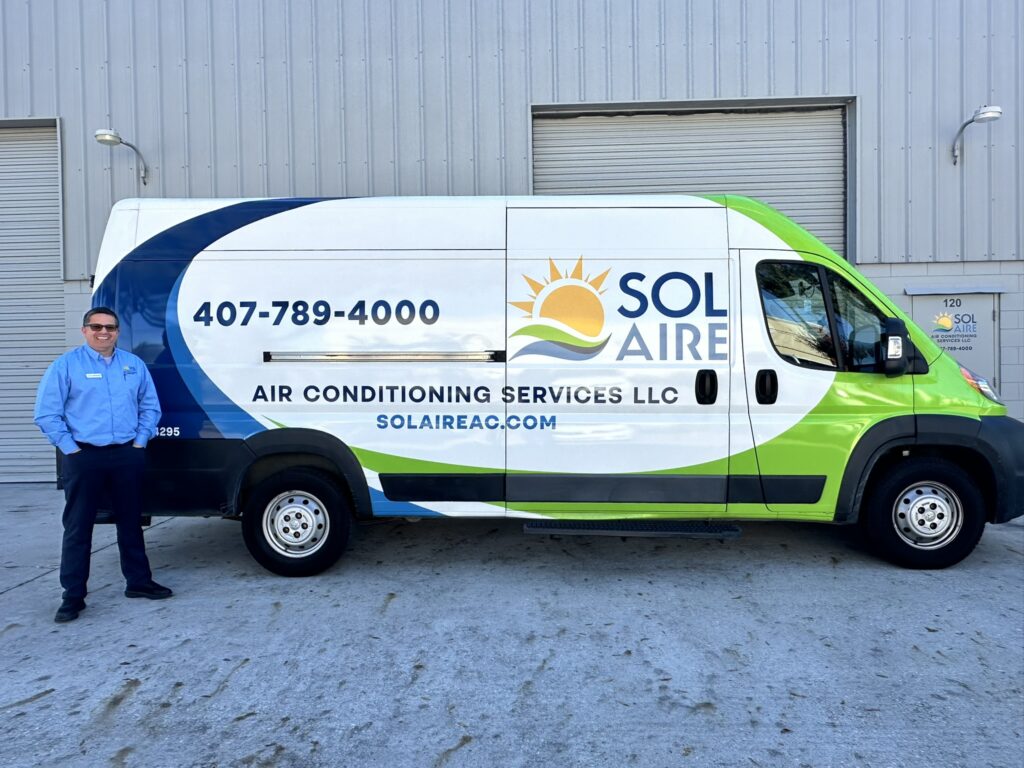
Sol Aire Air Conditioning brings over fifty years of combined industry experience to every central AC system we service. Our technicians are background checked for your peace of mind, so you can feel safe welcoming our team into your home. We are a licensed and insured HVAC contractor in Florida, and we hold certifications as a Daikin Pro, Mitsubishi Diamond, and Navien certified dealer. Those credentials reflect our commitment to quality workmanship and ongoing training. We treat your home and your equipment with the care they deserve. Old fashioned customer service and clear communication guide everything we do.
We believe in free estimates with honest, no pressure recommendations that put your needs first. When your system needs attention, we explain the problem in plain language and lay out your options clearly. Financing options are available to make your next HVAC service more affordable and less stressful. Our goal is to help your central AC system reach its full lifespan while keeping your home comfortable. We stand behind our work and treat every customer like a neighbor. That approach has earned us the trust of homeowners across Central Florida.
Serving Sanford and the surrounding communities, we understand the unique demands that Florida weather places on cooling systems. From Oviedo to Lake Mary and beyond, our team keeps homes cool through the hottest months of the year. We are ready to help with maintenance, repairs, and full system replacements tailored to your needs. Reach out to us at (407) 789-4000 or email service@solaireac.com to schedule your service. Let us help your central AC system deliver reliable comfort for many summers to come. Choose Sol Aire Air Conditioning for honest, expert care you can count on.