
How to Tell If Your AC Needs Repair Before It Breaks Down
In Sanford, FL, your air conditioner isn’t a luxury; it’s a lifeline. With long stretches of 90-degree days, suffocating humidity, and barely a break in the summer heat, a working AC system is the difference between a comfortable home and a miserable one. The trouble is, most homeowners don’t think about their AC until it stops working altogether, usually at the worst possible moment.
The good news is that air conditioners rarely fail without warning. They drop hints, sometimes subtle, sometimes loud, long before a complete breakdown. Learning to recognize these signals can save you hundreds or even thousands of dollars in emergency repairs, prevent food spoilage, and spare your family from sweltering nights without cool air. At Sol Aire Air Conditioning Services, we’ve helped homeowners across Central Florida catch problems early, and we want to share the warning signs you should never ignore.
Why Early AC Repair Matters in Sanford, FL
Florida’s climate puts an enormous workload on residential cooling systems. While homeowners in cooler states might only run their AC a few months a year, Sanford residents rely on theirs nearly year-round. That constant operation accelerates wear and tear on components like compressors, capacitors, blower motors, and condenser coils, which means problems develop faster here than they would almost anywhere else in the country.
Catching small problems early offers several major benefits. A failing capacitor caught early might cost around $150 to replace, but ignored, it can burn out a compressor and turn into a repair that climbs well into the thousands. A struggling AC also works harder and uses more electricity, so fixing minor issues keeps your monthly utility bills under control. Most air conditioners last 10 to 15 years with proper care, but ignoring early symptoms can cut that timeline in half. Perhaps most importantly, no one wants their AC to die during a 95-degree August afternoon, and proactive repairs are the best way to prevent that kind of emergency.
With that in mind, here are the warning signs every Sanford homeowner should watch for.
Warning Sign #1: Weak or Uneven Airflow
If you walk past a vent and barely feel any air coming out, something is wrong. Weak airflow is one of the most common early indicators of AC trouble, and it can point to several underlying problems.
A clogged air filter is often the simplest culprit, especially in Florida homes where dust, pollen, and pet dander accumulate quickly. However, weak airflow can also indicate a failing blower motor, leaky ductwork, frozen evaporator coils, or even a blockage somewhere in the system. You might also notice uneven cooling, where one room feels comfortable while another stays warm. This is typically a ductwork or zoning issue, and it’s worth having a professional inspect your system before the imbalance worsens and starts driving up your energy bills.
Warning Sign #2: Warm Air Coming from Vents
When you set your thermostat to 72 but the air coming out of the vents feels lukewarm, or worse, warm, your AC is sending an urgent distress signal. This problem won’t fix itself, and it almost always gets worse with time.
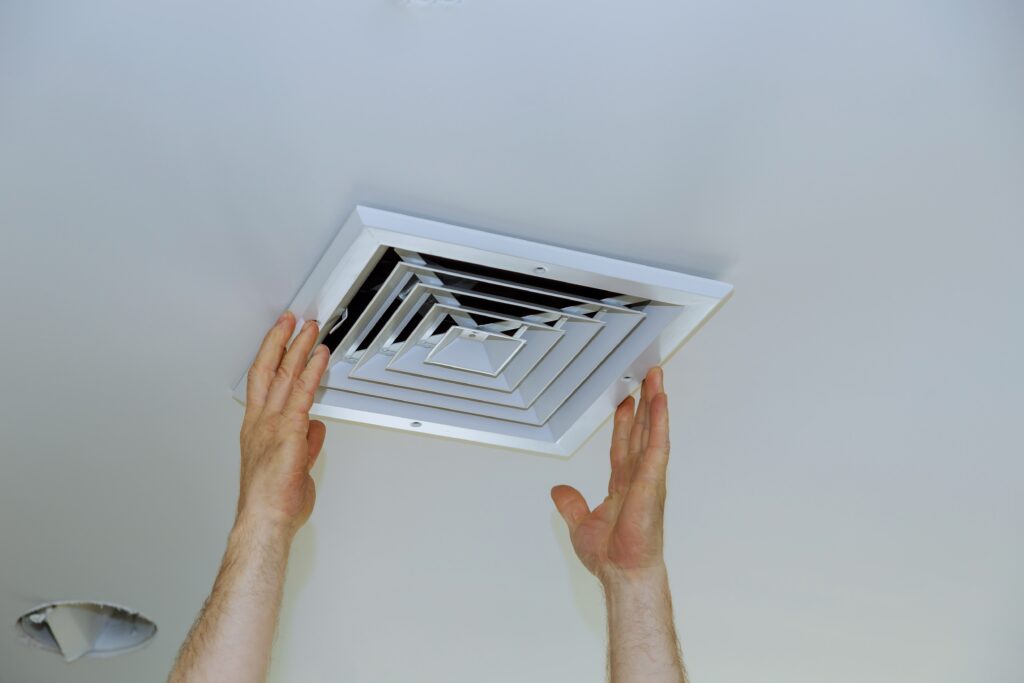
The most common causes are low refrigerant levels, often from a leak somewhere in the system, and a failing compressor, which is essentially the heart of your AC unit. Dirty condenser coils that prevent proper heat exchange and electrical issues affecting the cooling cycle are also frequent culprits. Refrigerant problems in particular require professional attention. Refrigerant isn’t something that gets “used up” if levels are low, there’s a leak that needs to be located and sealed. Adding more refrigerant without fixing the leak is just throwing money away, and continued operation with low refrigerant can damage the compressor beyond repair.
Warning Sign #3: Strange Noises Coming from Your AC Unit
A well-functioning air conditioner makes a steady, quiet hum. Anything beyond that gentle background noise deserves your attention, and different sounds often point to different problems.
Banging or clanking usually means a loose or broken part inside the compressor, such as a connecting rod, piston pin, or crankshaft. Squealing or screeching can indicate a worn belt or a problem with the blower motor bearings. Hissing or bubbling often signals a refrigerant leak, while buzzing may point to electrical issues, a failing capacitor, or loose components inside the unit. Clicking that continues beyond the normal startup cycle frequently indicates a failing thermostat or relay.
These sounds rarely go away on their own. In most cases, they get louder and more frequent as the underlying problem worsens. If your AC has developed a new noise, it’s time to schedule a diagnostic before a minor issue turns into a major repair.
Warning Sign #4: Unpleasant Odors from Your AC
A healthy AC system doesn’t smell like anything. When odors start coming from your vents, your air conditioner is telling you something needs attention.
Musty or moldy smells are extremely common in Sanford homes because Florida’s humidity creates the perfect environment for mold and mildew growth inside your evaporator coil, drain pan, or ductwork. Beyond the unpleasant smell, mold can trigger allergies and respiratory problems for everyone in the household. Burning or electrical smells are far more serious. They can indicate overheating wiring, a failing motor, or other electrical issues that pose a fire hazard. If you smell anything burning, turn off your AC immediately and call a professional.
Rotten egg smells can point to gas leaks if you have a gas-powered system, or more commonly in residential AC units, a dead rodent or other animal that has gotten into the ductwork. Chemical or sweet smells may indicate a refrigerant leak, which requires prompt attention both for system performance and for the health of everyone in your home.
Warning Sign #5: Frequent Cycling or Short Cycling
Your air conditioner is designed to run in steady cycles. It kicks on, cools your home to the set temperature, then shuts off until the temperature rises again. When the system starts turning on and off rapidly, that’s called short cycling, and it’s a serious problem.
Short cycling stresses every component in your AC, dramatically shortens the lifespan of your compressor, and significantly increases your energy bills. Common causes include a thermostat placed in direct sunlight or near a heat source that’s giving it false readings, an oversized AC unit that cools the home too quickly, a refrigerant leak, a clogged air filter restricting airflow, a frozen evaporator coil, or electrical problems with the control board. If you notice your AC running in short bursts rather than longer, steady cycles, schedule service before the issue damages your compressor and turns into a much more expensive repair.
Warning Sign #6: Rising Energy Bills
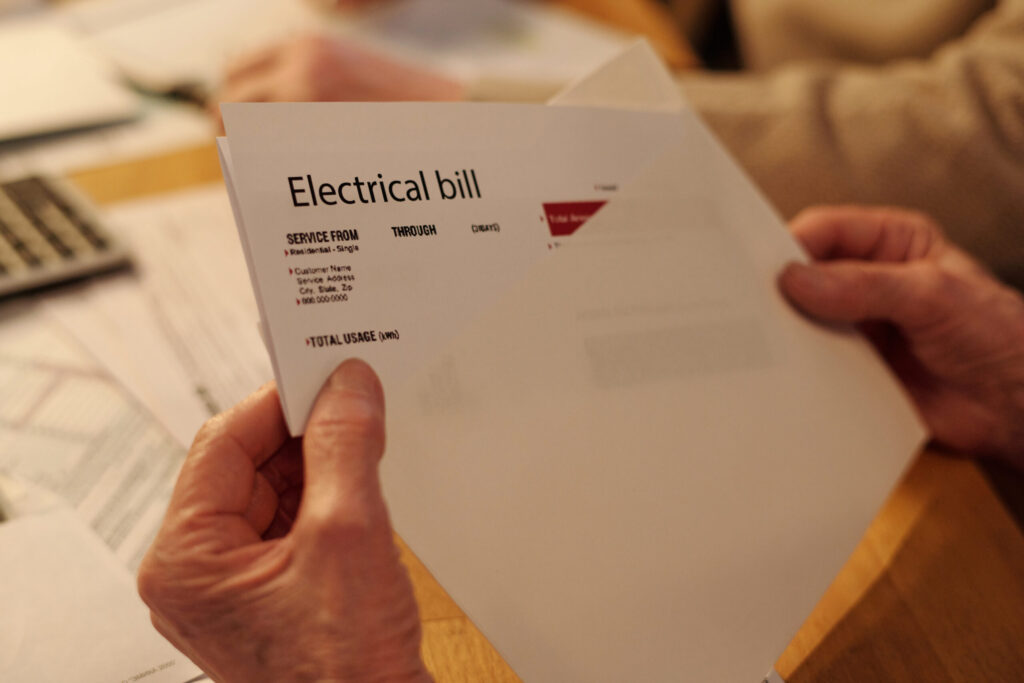
Take a look at your last few months of electric bills. If your usage has climbed steadily without an obvious explanation, no new appliances, no major weather shifts, no additional household members; your AC may be working harder than it should.
As components wear out, they become less efficient. A dirty condenser coil, a refrigerant leak, a worn-out blower motor, or aging ductwork all force your system to run longer to achieve the same cooling effect. The result shows up clearly on your monthly bill. A trained HVAC technician can perform an efficiency check to identify exactly where your system is losing performance. Often, a simple repair restores efficiency and pays for itself quickly through lower energy costs over the following months.
Warning Sign #7: Excess Humidity Inside Your Home
Your air conditioner doesn’t just cool the air; it also pulls moisture out of it. In Sanford’s humid climate, that dehumidification function is critical for indoor comfort. If your home suddenly feels sticky, muggy, or clammy even when the AC is running, your system isn’t doing its job properly.
Indoor humidity should generally stay between 30 and 50 percent. When it climbs higher, you may notice condensation on windows, a damp feeling in your clothes and bedding, or that musty smell mentioned earlier. Excess moisture also promotes mold growth, dust mites, and structural damage to wood and drywall throughout the home. Humidity problems often stem from an oversized system that cools too quickly without running long enough to remove moisture, low refrigerant levels, a malfunctioning blower, or issues with the evaporator coil. A professional can diagnose the cause and recommend the right solution before the problem leads to more serious damage.
Warning Sign #8: Water Leaks or Moisture Around the Unit
Your AC produces condensation as part of normal operation, and that water should drain away through the condensate line. When you start seeing water pooling near your indoor unit, dripping from vents, or staining your ceiling or walls, something has gone wrong with the drainage system.
The most common cause is a clogged condensate drain line, often blocked by algae, mold, or debris, a frequent problem in Florida homes where humidity keeps the system constantly producing moisture. A cracked or overflowing drain pan, a frozen evaporator coil that’s melting and dumping water, or improperly installed drainage components can also cause leaks. In some cases, what looks like a water leak is actually a refrigerant leak, which has a slightly oily appearance and requires immediate attention. Either way, leaks shouldn’t be ignored. Water damage from an AC leak can quickly lead to costly repairs to your ceilings, walls, and flooring, and it can cause mold problems that affect indoor air quality for months.
Warning Sign #9: Thermostat Problems
Sometimes the AC unit itself is fine, but the thermostat isn’t communicating properly with the system. You might notice that the temperature in your home doesn’t match the thermostat reading, that the display is blank, flickering, or unresponsive, or that the AC won’t turn on or off when you adjust the settings. Different rooms having wildly different temperatures despite a single setting is another common sign of thermostat trouble.
Thermostat issues can stem from dead batteries, wiring problems, calibration drift, or simply an outdated unit that needs to be replaced with a modern programmable or smart thermostat. Upgrading to a smart thermostat can also help you monitor system performance and catch problems earlier in the future, since many models can alert you to unusual energy use or runtime patterns.
Warning Sign #10: The Age of Your AC Unit
Even the best-maintained air conditioners eventually wear out. If your system is 10 to 15 years old and you’re starting to see any of the warning signs above, it’s worth having a professional evaluate whether ongoing repairs are still cost-effective or whether replacement makes more sense.
A good rule of thumb is that if a single repair costs more than half the price of a new unit, or if you’re calling for service multiple times a year, replacement is usually the smarter long-term investment. Newer systems are significantly more energy-efficient, which means lower monthly bills and often a meaningful reduction in your home’s environmental footprint. In Sanford and the surrounding Central Florida area, the constant cooling demand puts older systems under particular strain, so don’t be surprised if your AC reaches the end of its useful life closer to the 10-year mark than the 15-year mark.
What to Do When You Notice These Warning Signs
If you’ve recognized one or more of these signs in your own home, don’t wait. The longer you postpone service, the more damage typically accumulates, and the more expensive the eventual repair becomes.
Start by turning off your AC if you smell anything burning, see significant water leaks, or hear loud mechanical noises continuing to run a damaged system almost always makes things worse. Check and replace your air filter if it’s been more than 30 to 60 days, as this simple step sometimes resolves minor issues on its own. Clear debris from around your outdoor condenser unit, since leaves, grass clippings, and dirt can restrict airflow and force the system to work harder. Then schedule a professional diagnostic so a trained technician can identify the underlying cause and recommend the most cost-effective solution.
Routine maintenance is also one of the best ways to prevent problems in the first place. Annual or biannual tune-ups catch small issues before they become major repairs and keep your system running at peak efficiency. In Florida, where AC systems work harder than almost anywhere else in the country, regular service isn’t optional; it’s essential to getting the full lifespan out of your investment.
When your air conditioner is showing signs of trouble, you need an HVAC contractor who knows Central Florida homes inside and out. Sol Aire Air Conditioning Services has built a reputation in Sanford and the surrounding area for honest assessments, quality workmanship, and fast response times because we know that waiting for AC repair in this climate isn’t really an option.
Our experienced technicians can diagnose any of the warning signs covered in this guide, recommend the right repair, and get your system back to peak performance quickly. Whether you need a one-time repair, a preventive maintenance plan, or a full system replacement, we’re here to help homeowners throughout Sanford and Central Florida stay cool and comfortable year-round.
Don’t wait for a complete breakdown to deal with your AC issues. If you’ve noticed any of the warning signs above, contact Sol Aire Air Conditioning Services today to schedule a diagnostic. Catching the problem early is always the smartest, most affordable choice and your future self will thank you the next time a Florida heat wave rolls through.